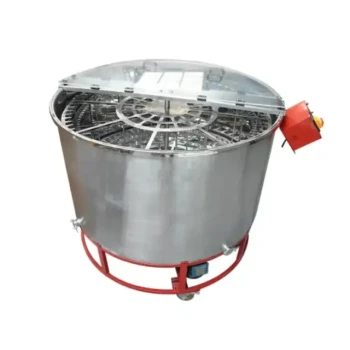
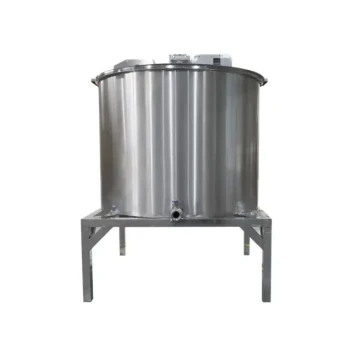
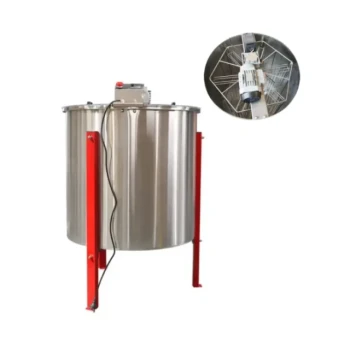
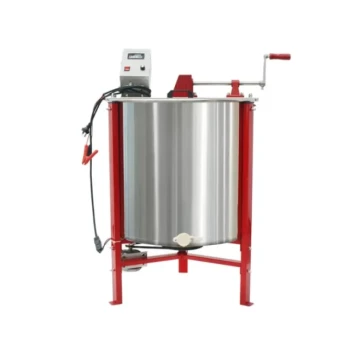
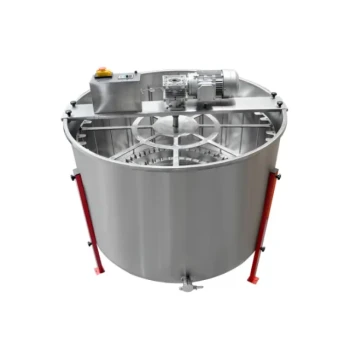
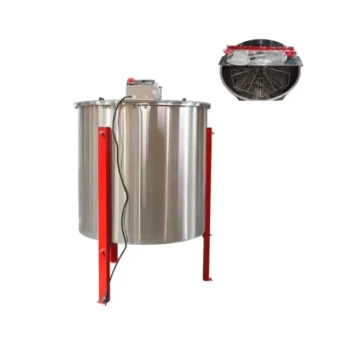
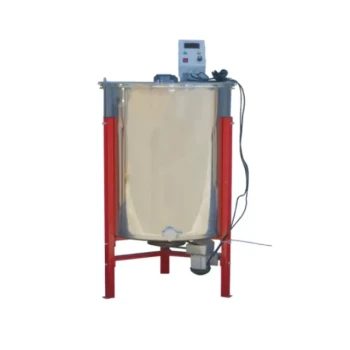
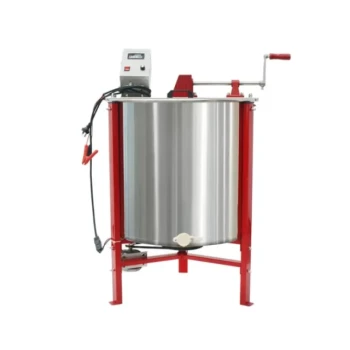
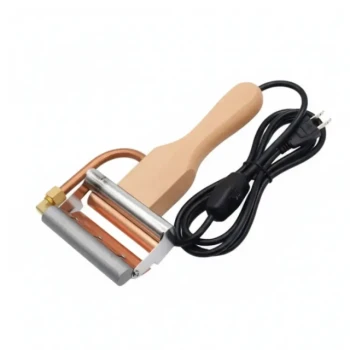
An electric honey extractor is distinguished by its ability to automate the spinning process, maximizing efficiency for operations handling larger volumes of honey. Its primary advantages are the ability to process many frames simultaneously and the inclusion of speed controls, while its main drawbacks are a higher financial cost and the strict requirement for an electrical power source.
The decision to upgrade to an electric model involves weighing the upfront financial investment against the significant reduction in physical labor and time required per harvest.
Maximizing Operational Efficiency
High-Volume Processing
The most significant advantage of an electric extractor is its capacity to handle large-scale operations. Unlike manual models, electric versions are designed to hold and spin many frames at once, drastically reducing the time required to harvest a full apiary.
Elimination of Physical Labor
Electric models replace the hand crank with a motor, operating at the push of a button. This removes the physical exertion of manually cranking a heavy basket, preventing operator fatigue during long harvesting sessions.
Workflow Optimization
Because the machine runs autonomously, the operator is free to multitask. While one batch of frames is spinning, the beekeeper can uncap the next set of frames, creating a continuous and efficient workflow.
Precision and Quality Control
Variable Speed Regulation
Primary reference data highlights the inclusion of speed control options as a key benefit. This flexibility allows the operator to start slowly to protect heavy frames and increase speed progressively to extract the remaining honey.
Honey Yield and Comb Integrity
The consistent centrifugal force provided by the motor often results in a higher honey yield compared to uneven manual cranking. Furthermore, when operated correctly, this consistent motion is gentle on the honeycomb, preserving the integrity of the wax for future use.
Understanding the Trade-offs
Higher Upfront Costs
The complex motor and electronic components make electric extractors significantly more expensive than their manual counterparts. This cost can be a barrier for hobbyists with only a few hives.
Dependency on Power Sources
An electric extractor requires a reliable electricity source. This limits where you can set up your extraction station and may increase operational costs due to power consumption.
Maintenance and Usage Risks
Electric models are generally more challenging to clean due to the motor and electrical components. additionally, while speed control is a feature, operating the motor at effectively high speeds without care can lead to comb damage.
Making the Right Choice for Your Goal
Before purchasing, assess your current hive count and your future expansion plans.
- If your primary focus is small-scale hobby beekeeping: A manual extractor is likely more cost-effective and portable if you have fewer than 10 hives.
- If your primary focus is efficiency and scaling up: An electric extractor is essential to handle the volume and reduce the physical labor required for 20+ hives.
- If your primary focus is workflow speed: Choose an electric model to allow for simultaneous uncapping and extracting, cutting your total harvest time in half.
Select the tool that aligns with your volume requirements today while leaving room for the growth of your apiary tomorrow.
Summary Table:
| Feature | Electric Honey Extractor | Manual Honey Extractor |
|---|---|---|
| Labor Intensity | Low (Automated Motor) | High (Hand Crank) |
| Processing Volume | High (Ideal for 20+ Hives) | Low (Best for Hobbyists) |
| Speed Control | Variable/Precise Regulation | Manual/Inconsistent |
| Power Source | Electricity Required | None |
| Workflow | Allows Multitasking | Requires Constant Attention |
| Investment | Higher Upfront Cost | Lower Cost |
Scale Your Honey Production with HONESTBEE
Maximize your harvest efficiency and preserve comb integrity with professional-grade equipment. As a leading partner for commercial apiaries and distributors, HONESTBEE provides the full spectrum of wholesale beekeeping solutions.
From automated honey-filling machines to high-capacity electric extractors and essential industry consumables, we equip your business for growth. Our portfolio is designed to reduce physical labor and optimize your workflow, ensuring you deliver premium honey products at scale.
Ready to upgrade your apiary’s performance? Contact our experts today to explore our wholesale machinery and hardware offerings!
Related Products
- HONESTBEE 72 Frame Industrial Electric Honey Extractor for Beekeeping
- Commercial Electric 12 Frame Honey Extractor Spinner Motorized Honey Extractor
- 32 Frame Commercial Electric Honey Extractor for Beekeeping and Honey Production
- Electric 4 Frame Tangential Honey Extractor
- electric honey extractor honey centrifuge 3 frame honey extractor stainless steel honey frame extractor
People Also Ask
- What is the importance of balancing honeycomb frames within a honey extractor? Ensure Stability and Protect Machinery
- How is honey separated from the frames after they are uncapped? Efficient Extraction Methods for High Yields
- What are the main benefits of using a honey extractor? Maximize Yields and Protect Your Honeycomb
- What are the recommended methods for removing honey from the honeycomb? Top Extraction Techniques for Maximum Efficiency
- How do manual honey extractors compare to electric honey extractors? Choosing the Right Tool for Your Apiary Growth