Spacing frames widely is a strategic move for extraction efficiency. By placing only 8 frames in a 10-frame honey super, you encourage bees to draw "fatter," bulging combs that extend beyond the wooden frame edges. This configuration significantly speeds up uncapping, increases wax yield, and reduces the total manual labor required in the extracting room.
Core Takeaway Bees instinctively fill available space; when given wider gaps between frames, they extend the honeycomb cells outward rather than building new frames. This results in deep, protruding honey cells that allow for a cleaner, faster cut with an uncapping knife, while simultaneously reducing the total number of frames you must handle to harvest the same volume of honey.
Optimizing the Extraction Workflow
Streamlined Uncapping
The primary mechanical advantage of 8-frame spacing is the profile of the comb. Because the bees draw the wax out further to bridge the wider gap, the honey cells bulge past the wooden top and bottom bars.
This allows an uncapping knife to slice through the wax cappings in a single, smooth pass without hitting the wood. It eliminates the low spots and uneven surfaces common in tightly packed 10-frame setups, often removing the need for time-consuming hand-scratching.
Reduced Frame Handling
Switching to an 8-frame setup directly reduces the volume of equipment you must physically manage. The primary data indicates this configuration reduces frame handling in the extracting room by over 10%.
While you are processing fewer individual frames, the total honey volume remains comparable because each frame holds more weight. You spend less time lifting, uncapping, and spinning frames for a similar yield.
Increased Wax Production
For beekeepers who value beeswax as a secondary crop, this method is superior. Because the cells are drawn deeper, the "cappings" sliced off during harvest are thicker. This yields substantially more capping wax compared to the thin layers removed from standard 10-frame spacing.
Improved Bee Clearing
Wider spacing creates clear, unobstructed channels between the combs. If you use a leaf blower or similar forced-air device to clear bees from supers before harvest, the air penetrates these wider gaps much more effectively. This clears the bees faster and reduces the likelihood of them clinging to the frames.
Understanding the Trade-offs
While the efficiency gains are real, 8-frame spacing introduces specific risks that can ruin a harvest if not managed correctly.
The "Drawn Comb" Requirement
You cannot use this spacing with bare foundation. If you place 8 frames of undrawn foundation in a 10-frame box, bees will build erratic "cross-comb" or burr comb in the empty spaces, connecting frames together in a mess that is impossible to extract. You must only use 8-frame spacing with frames that already have fully drawn comb.
Stability and Transport Issues
With fewer frames, the equipment is looser inside the box. When supers are empty, frames have a tendency to slide, wobble, or fall out during transport and handling. This lack of friction can make moving empty equipment frustrating compared to the snug fit of a 10-frame setup.
Equipment Compatibility
This technique works best with wax foundation or foundationless frames. Evidence suggests that bees do not draw out comb on plastic frames effectively with this wide spacing. Using plastic frames with 8-frame spacing often results in messy, uneven construction.
Making the Right Choice for Your Goal
Deciding between 8, 9, or 10 frames depends entirely on the current state of your equipment and your production priorities.
- If your primary focus is maximizing speed and wax yield: Use 8 frames of drawn comb. This offers the fastest uncapping experience and the highest beeswax return.
- If your primary focus is drawing new comb: Use 10 frames. You must crowd the bees to force them to draw straight, even comb on new foundation before spacing them out in future seasons.
- If your primary focus is automated extraction: Use 9 frames. This is often the "sweet spot" that provides straighter, more even combs compatible with automated machinery while still offering some ease-of-handling benefits.
Success with 8-frame spacing relies on using established resources to force bees to work vertically (depth) rather than laterally (burr comb).
Summary Table:
| Feature | 8-Frame Spacing (in 10-frame box) | 10-Frame Spacing (Standard) |
|---|---|---|
| Comb Profile | Deep, bulging "fat" combs | Flat, flush with frame edges |
| Uncapping Speed | High (single-pass slicing) | Moderate (requires more precision) |
| Wax Yield | High (thicker cappings) | Standard |
| Labor Intensity | Low (fewer frames to handle) | Standard |
| Best Foundation | Drawn wax comb only | New foundation or plastic |
| Bee Clearing | Easy (wider air channels) | Standard |
Maximize Your Apiary’s Productivity with HONESTBEE
Transitioning to high-efficiency extraction requires the right equipment. At HONESTBEE, we specialize in supporting commercial apiaries and distributors with a complete range of professional-grade beekeeping tools and machinery.
Whether you need precision honey-filling machines to process your increased yields or durable hive-making hardware to expand your operation, our comprehensive wholesale portfolio has you covered. We provide everything from essential consumables to specialized industrial equipment designed to lower your labor costs and increase output.
Ready to scale your honey production? Contact HONESTBEE Today to Discuss Your Wholesale Needs
Related Products
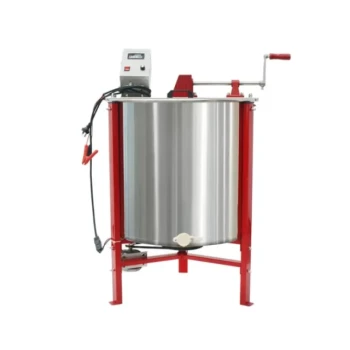
- HONESTBEE 8 Frame Electric and Manual Three Use Honey Extractor
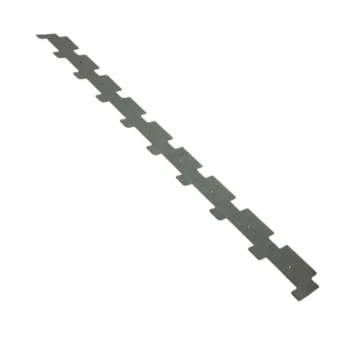
- Heavy Duty Castellated Iron Frame Spacer for Honey Supers
- Commercial 48-Frame Stainless Steel Honey Extractor
- Rapid Bee Feeder White Plastic 2L Round Top Feeder for 8 or 10-Frame Bee Hives
- Professional 500g Sectional Comb Honey Frame System for Beekeeping
People Also Ask
- How is honey extracted from bees? A Guide to Efficient, Bee-Friendly Harvesting
- How long does it take to extract a frame of honey? A realistic guide to harvest time.
- How does an electric honey extractor function? Streamline Your Harvest with Motorized Efficiency
- What are the characteristics of electric honey extractors? Boost Your Apiary Efficiency with Automated Technology
- How does an electric honey extractor affect the quality of honey? Preserve Flavor & Purity with Precision Extraction