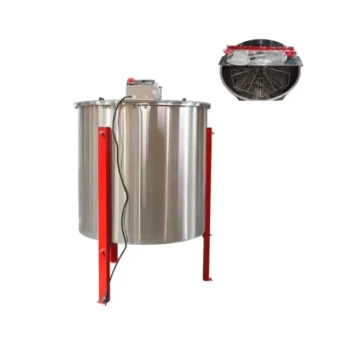
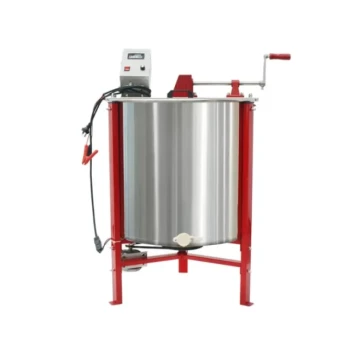
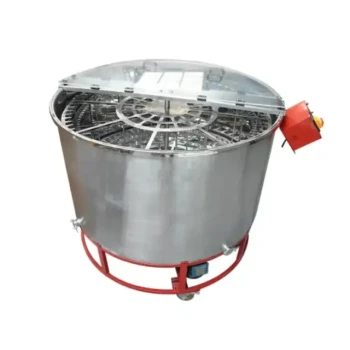
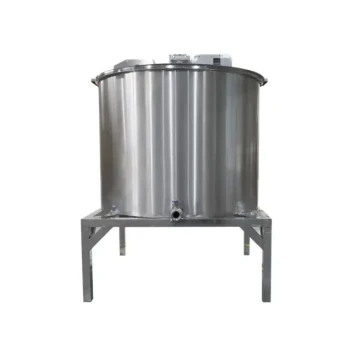
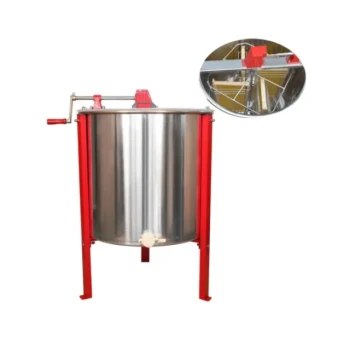
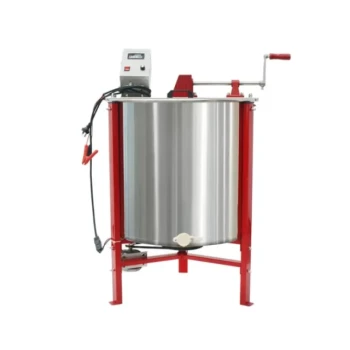
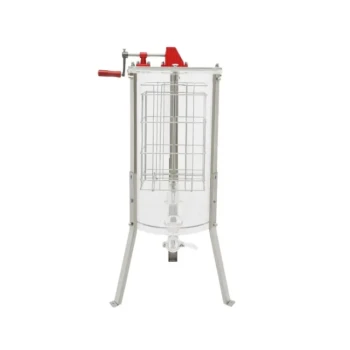
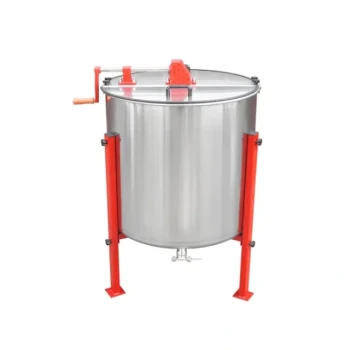
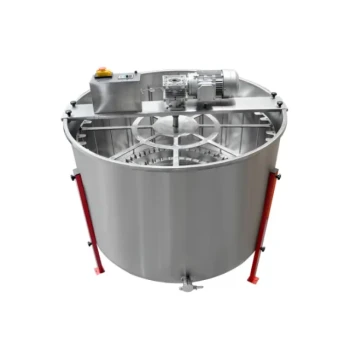
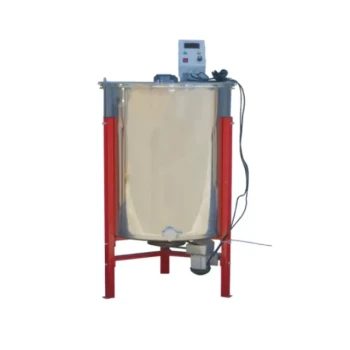
The primary advantage of a motorized honey extractor is the automation of labor, which fundamentally changes the extraction workflow from a sequential task to a parallel one. By eliminating the physical requirement of hand-cranking, these machines allow beekeepers to maximize efficiency, process larger volumes of honey with less fatigue, and utilize precise speed controls to protect various types of comb foundations.
Core Takeaway While manual extractors require constant physical attention, motorized units transform extraction into a managed process rather than a physical chore. The real value lies in the ability to multitask—uncapping frames while the machine spins—and the precision to extract from delicate wax without blowing out the comb.
Maximizing Apiary Workflow
The Power of Parallel Processing
The most significant operational benefit of a motorized unit is the recovery of time. Because the machine performs the extraction automatically, the beekeeper is free to focus on other critical duties.
Continuous Uncapping cycles
Specifically, this automation allows you to uncap the next set of frames while the current batch is spinning. This continuous cycle drastically reduces the total downtime between loads, significantly shortening the overall workday.
Eliminating Physical Fatigue
Manual extraction is physically demanding, especially as the number of hives increases. Motorized extractors rely on an electric motor to generate centrifugal force, removing the physical strain of cranking and preserving the beekeeper's energy for heavy lifting and hive management.
Precision Control for Comb Integrity
Variable Speed Regulation
A critical technical advantage of motorized extractors is the ability to finely control the extraction speed. Unlike manual cranking, which can be inconsistent, a motor delivers a steady, adjustable RPM (revolutions per minute).
Handling Delicate Wax Foundations
This speed control is essential when working with natural wax foundations. These delicate structures require a slow, gentle spin to extract honey without destroying the comb structure or causing a "blowout."
Maximizing Yield on Durable Frames
Conversely, when using durable plastic foundations, the motor can be set to higher speeds. This ensures the maximum amount of honey is evacuated from the cells, increasing overall yield without the risk of structural damage associated with wax.
Scaling Your Operation
Processing Volume
For commercial beekeepers or those managing many hives, the motorized extractor is the only practical solution for scaling. The electric motor handles the heavy load of spinning multiple frames simultaneously, maintaining high efficiency regardless of the volume processed.
Reuse of Resources
By using controlled centrifugal force, the extractor preserves the honeycomb structure. This allows the frames to be returned to the hive intact, enabling bees to refill them immediately rather than wasting energy rebuilding wax.
Understanding the Trade-offs
Higher Initial Investment
The primary barrier to entry for motorized extractors is the cost. They are significantly more expensive than manual counterparts due to the motor, electronic controls, and often more robust construction required to handle the torque.
Dependency on Power
Unlike manual extractors, which can be used anywhere, motorized units require a reliable electricity source. This limits where you can set up your extraction line, potentially requiring access to a facility or a generator if you are working in the field.
Making the Right Choice for Your Goal
To determine if the advantages of motorization align with your specific apiary needs, consider your operational priorities:
- If your primary focus is efficiency: The ability to uncap new frames while the machine spins the previous batch will cut your processing time nearly in half.
- If your primary focus is comb preservation: The variable speed control is essential for preventing damage to delicate wax foundations while still extracting fully from plastic ones.
- If your primary focus is scalability: The elimination of physical labor allows you to process large quantities of honey without succumbing to physical burnout.
Motorization is not just about speed; it is about gaining the control necessary to manage a growing apiary professionally.
Summary Table:
| Feature | Motorized Extractor | Manual Extractor |
|---|---|---|
| Labor Input | Automated; allows multitasking | Constant physical cranking |
| Speed Control | Precise variable RPM settings | Inconsistent, human-powered |
| Comb Safety | High (prevents comb blowouts) | Lower (variable force risk) |
| Processing Volume | High-capacity commercial use | Small-scale hobbyist use |
| Energy Requirement | Reliable electricity source | Physical endurance |
Scale Your Honey Production with HONESTBEE
At HONESTBEE, we understand that for commercial apiaries and distributors, efficiency is the key to profitability. Our professional-grade motorized honey extractors are engineered to transform your workflow, allowing you to process larger volumes with unmatched precision and zero physical fatigue.
Why partner with HONESTBEE?
- Comprehensive Wholesale Range: From advanced honey-filling machines to durable hive-making equipment.
- Industry Experts: We supply the full spectrum of beekeeping tools and essential consumables tailored for large-scale operations.
- Value-Added Solutions: Our portfolio extends to honey-themed cultural merchandise to help you diversify your brand.
Ready to upgrade your extraction line? Contact us today to explore our wholesale machinery and equipment solutions designed for the modern beekeeper.
Related Products
- Commercial Electric 12 Frame Honey Extractor Spinner Motorized Honey Extractor
- 8-Frame Electric Self-Reversing Honey Extractor Spinner for Commercial Honey Extraction Equipment
- HONESTBEE 6 Frame Three Use Electric Honey Extractor for Beekeeping
- Vertical Motor Kits for 2 3 4 Frame Electric Honey Extractors
- HONESTBEE 72 Frame Industrial Electric Honey Extractor for Beekeeping
People Also Ask
- Who are commercial honey extractors designed for? Scaling Your Industrial Beekeeping Success
- What is a commercial honey extractor? The Essential High-Volume Solution for Large Apiaries
- How is honey extracted commercially? Maximize Your Apiary's Efficiency and Honey Yield
- What are commercial honey extractors used for? Boost Your Apiary's Efficiency & Profitability
- What are the advantages of motorized extractors? Boost Honey Production and Save Time