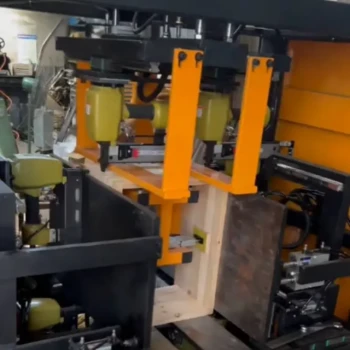
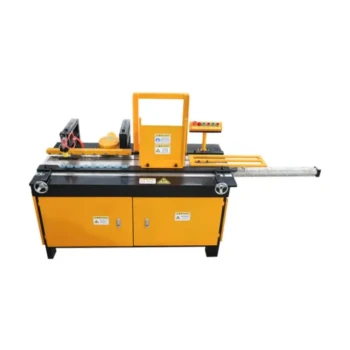
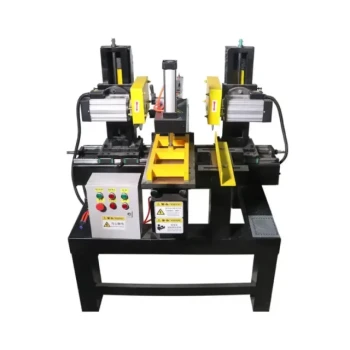
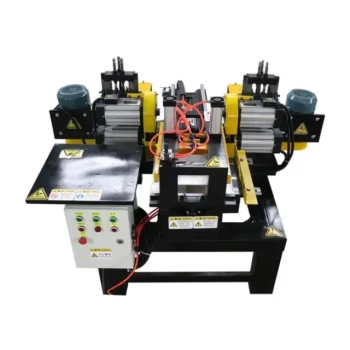
Automated hive-making machinery fundamentally transforms commercial beekeeping by delivering high-precision, standardized infrastructure that manual construction cannot match. The primary advantages include the production of weather-resistant systems with superior sealing for thermal regulation, and the ability to rapidly mass-produce components to maintain business continuity during expansion or after damage.
By replacing manual variation with industrial precision, automated machinery creates a standardized ecosystem that significantly reduces long-term operational costs while maximizing colony survival through optimized environmental control.
Enhancing Colony Survivability
The most critical advantage of automated manufacturing is the physical quality of the habitat it provides for the bees.
Optimized Thermal Regulation
Precision-manufactured hives offer superior insulation and sealing. This assists honeybees in maintaining stable nest temperatures more effectively, particularly during extreme weather events like heatwaves or severe storms.
Superior Structural Integrity
Automated machinery utilizes advanced techniques, such as precise tenon-and-mortise joint processing, to ensure tight internal seals. This creates a stable physical barrier against variable climates and moisture, directly supporting better breeding efficiency.
Streamlining Commercial Operations
Beyond biology, automation addresses the logistical challenges of running a large-scale apiary.
Standardization and Interchangeability
Industrial-grade machinery produces components with high-accuracy consistency. This ensures that parts are fully interchangeable across the entire apiary, simplifying daily maintenance and eliminating the frustration of mismatched equipment.
Cost Reduction and Scalability
The mass production capability of these machines lowers the acquisition cost of individual hive units. This economic efficiency is vital for operations undergoing rapid scaling or resource expansion in major honey-producing regions.
Business Continuity
Automated systems enable the rapid replacement of damaged infrastructure. This speed ensures that commercial honey production continues without interruption, even when facing significant equipment turnover.
Understanding the Trade-offs
While automation offers significant benefits, a trusted advisor must also consider the potential constraints.
High Initial Investment
Implementing automated machinery requires a significant upfront capital expenditure. For smaller operations, the cost of the machinery may outweigh the savings generated by mass production.
Reduced Customization
Automated lines excel at uniformity but often lack flexibility. If your apiary requires unique hive dimensions or bespoke modifications for specific experiments, adjusting the machinery can be time-consuming and costly compared to manual adjustments.
Making the Right Choice for Your Goal
To determine if automated hive-making machinery is the right investment for your apiary, consider your primary operational objectives.
- If your primary focus is Rapid Expansion: Prioritize this technology to lower unit costs and ensure immediate availability of standardized hive bodies for new colonies.
- If your primary focus is Colony Health: Leverage the machinery's precision to provide superior thermal regulation and weatherproofing, increasing overwintering success rates.
Automation transforms hive construction from a manual chore into a strategic asset, providing the foundational hardware necessary for scientific, large-scale apiary management.
Summary Table:
| Benefit Category | Key Advantage | Impact on Apiary Operations |
|---|---|---|
| Colony Health | Precision Thermal Sealing | Enhanced overwintering success & climate protection |
| Operations | Interchangeable Components | Simplified maintenance with standardized hive parts |
| Scalability | Mass Production Speed | Rapid infrastructure expansion & business continuity |
| Durability | Tenon-and-Mortise Joints | Superior structural integrity vs. manual construction |
| Economic | Lower Unit Cost | Reduced long-term acquisition costs via industrial efficiency |
Elevate Your Apiary Infrastructure with HONESTBEE
Transform your beekeeping operation from manual labor to industrial-scale efficiency. HONESTBEE specializes in empowering commercial apiaries and distributors with the high-performance hardware needed for modern growth. From precision hive-making machinery and automated honey-filling systems to a complete range of professional beekeeping tools and essential consumables, we provide the end-to-end solutions your business requires.
Partner with HONESTBEE to:
- Maximize Productivity: Deploy standardized, high-quality hive infrastructure at scale.
- Reduce Costs: Access wholesale pricing on the full spectrum of beekeeping machinery.
- Ensure Quality: Guarantee superior thermal regulation for your colonies with precision-engineered equipment.
Ready to scale your commercial honey production? Contact our expert team today to discuss how our specialized machinery can optimize your operations!
References
- Matangi Mishra, Lakshay Kaushal. The Impact of Weather Change on Honey Bee Populations and Disease. DOI: 10.17762/jaz.v44is7.2755
This article is also based on technical information from HonestBee Knowledge Base .
Related Products
- Automatic High-Speed Bee Hive Box Stapling Machine
- High-Efficiency Pneumatic Bee Hive Making Machine for Rapid Box Assembly
- Beehive Handle and Frame Rest Cutting Machine: Your Specialized Hive Machine
- Mini Desktop Bee Hive Frame Forming Making Machine
- Beehive Machine Double End Saw for Precision Hive Component Manufacturing
People Also Ask
- How is the Bee Box machine adjusted for different box sizes? Maximize Your Woodworking Versatility and Precision
- How is the Bee Box machine operated? Optimize Your Commercial Hive Production with Scalable Staffing Solutions
- How was the Bee Box machine designed? Industrial Engineering for High-Volume Beekeeping Production
- What is the production capacity of the Bee Box machine? Boost Output up to 1,000 Boxes Daily
- What are the power requirements and control system for the Bee Box machine? Optimize Your Apiary Equipment Production