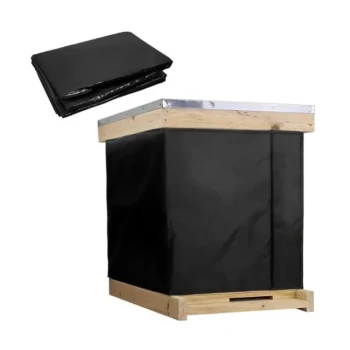
The primary advantage of indoor wintering is the creation of a stable, controlled environment that drastically reduces the biological stress on a honeybee colony. By shielding hives from wind and extreme cold, these facilities lower the metabolic rate required for the bees to maintain their cluster's core temperature. This directly results in lower food consumption and significantly higher survival rates by preventing exhaustion and starvation.
Indoor wintering transforms survival from a battle against the elements into a managed state of dormancy. By stabilizing the microclimate, you minimize the colony's energy expenditure, ensuring reserves last through even the most severe, long-duration winters.
The Mechanics of Energy Conservation
Stabilizing the Microclimate
In an open-air setting, colonies are subjected to fluctuating temperatures and wind chill. Indoor facilities provide a low-wind, stable atmosphere that acts as a shield against these external variables.
This stability removes the need for the colony to constantly react to rapid weather changes. The bees can maintain a steady state rather than fighting to compensate for sudden drops in temperature.
Reducing Metabolic Cost
Honeybees generate heat by consuming food and vibrating their wing muscles. When exposed to extreme external low temperatures, their metabolic rate spikes to keep the cluster warm.
A controlled indoor environment moderates the ambient temperature, reducing the "fuel" the bees must burn. This significantly lowers the metabolic energy required to maintain the colony's core temperature.
Preventing Resource Depletion
Extending Food Stores
Starvation is a primary cause of winter colony loss. Because the bees are not forced to generate excessive heat, they consume their honey reserves at a much slower rate.
This conservation of stores is critical. It ensures that the food available in the hive is sufficient to last until spring forage becomes available.
Mitigating Physical Exhaustion
Colony collapse is often caused by the physical exhaustion of the bees, not just the lack of food. Processing heavy amounts of food to generate high heat loads ages the winter bees prematurely.
By reducing the metabolic workload, indoor wintering prevents this exhaustion. The bees emerge in spring with more vitality, ready to build up the colony.
Geographic Necessities
Solutions for High-Latitudes and Altitudes
In regions characterized by long, severe winters, the outdoor survival window is narrow. The energy required to survive outside often exceeds the physical capacity of the cluster.
Indoor facilities are particularly beneficial in these high-altitude or high-latitude zones. They provide a sanctuary that bridges the gap during months that would otherwise be lethal.
Operational Considerations
The Necessity of Control
The advantages of indoor wintering rely entirely on the facility's ability to remain controlled. The reference emphasizes that the environment must be stable to be effective.
If the facility fails to maintain the microclimate, the metabolic advantages are lost. The system works only because it artificially lowers the environmental pressure on the insect.
Making the Right Choice for Your Goal
To determine if indoor wintering aligns with your apiary management strategy, consider your specific constraints:
- If your primary focus is survival in severe climates: Indoor facilities are essential for shielding colonies from extreme temperatures that exceed the colony's natural heating capacity.
- If your primary focus is resource efficiency: This method is the most effective way to minimize winter food consumption and prevent starvation.
By controlling the environment, you effectively decouple the colony's survival from the unpredictability of winter weather.
Summary Table:
| Benefit | Impact on Colony Survival | Key Mechanism |
|---|---|---|
| Microclimate Stability | Reduces biological stress from weather | Eliminates wind chill and temperature fluctuations |
| Metabolic Conservation | Prevents physical exhaustion of winter bees | Lowers energy needed to maintain cluster heat |
| Resource Management | Extends honey stores until spring | Significantly slower consumption of food reserves |
| Climate Protection | Enables survival in extreme latitudes | Shielding from lethal temperatures and long winters |
Maximize Your Colony Survival with HONESTBEE Professional Solutions
Protect your investment and ensure your apiary thrives through the harshest winters. HONESTBEE specializes in supporting commercial apiaries and distributors with the high-quality tools and machinery needed to manage controlled wintering environments effectively.
From specialized hardware and hive-making equipment to advanced honey-processing machinery, we provide the full spectrum of equipment and consumables tailored for industry success. Let us help you minimize winter losses and improve resource efficiency with our comprehensive wholesale offerings.
Ready to elevate your beekeeping operation?
Contact HONESTBEE Today to Discuss Your Equipment Needs
References
- Mahir Murat Cengiz. ARDAHAN YÖRESİNDE BAL ARISI (Apis mellifera L.) KOLONİLERİNDE KIŞLAMA KAYIPLARI VE MUHTEMEL SEBEPLERİ ÜZERİNE BİR ANKET. DOI: 10.31467/uluaricilik.485093
This article is also based on technical information from HonestBee Knowledge Base .
Related Products
People Also Ask
- What are the steps to properly wrap a beehive for winter? Ensure Your Colony Survives the Cold
- When is the best time to wrap a beehive for winter? A Guide to Perfect Winterization Timing
- How do professional insulation wraps provide protection for bee colonies? Optimize Winter Survival & Energy Efficiency
- What are the technical benefits of using winter wraps for beehive insulation? Boost Colony Survival & Hive Health
- What are the benefits of using insulated covers for hives? Ensure Colony Survival and Health