Industrial honey filtration and temperature-controlled storage serve as the critical infrastructure for transforming raw apiary yields into stable, commercially viable commodities. These technologies ensure product stability during long-distance transport, maintain consistent flavor and color profiles, and extend shelf life by effectively removing impurities and managing environmental exposure.
By mitigating the risks of spoilage and physical degradation, this infrastructure bridges the gap between local beekeeping and mainstream retail, granting producers access to wider markets that demand consistent, high-quality standards.
Ensuring Commercial Grade and Stability
To successfully move honey from the hive to a distant retail shelf, producers must eliminate variables that cause spoilage or rejection by consumers.
Improving Hygiene and Shelf Life
Raw honey often contains wax, larvae, and other physical debris. Industrial processing uses centrifuges and precision filters to remove these impurities significantly more effectively than traditional squeezing methods. This mechanical purification improves overall hygiene levels and is the primary factor in extending the product's shelf life for distribution.
Standardizing Visual Appeal
Retail markets enforce strict commercial grading standards regarding clarity and transparency. Standardized physical filtration ensures the honey meets these aesthetic requirements, presenting a clear product free of cloudiness or debris. This visual consistency is essential for consumer confidence and successful brand positioning on mainstream shelves.
Facilitating Large-Scale Automation
Industrial extraction and filtration equipment allow for the standardized processing of honey on a massive scale. By automating the separation of honey from wax cappings, producers can significantly improve efficiency. This shift enables a transition from traditional beekeeping to modern industrial operations capable of meeting high-volume pharmaceutical and food industry demands.
Preserving Chemical and Sensory Integrity
Honey is a complex chemical substance that degrades easily if not handled correctly. Advanced storage solutions are required to maintain its value.
Preventing Moisture Contamination
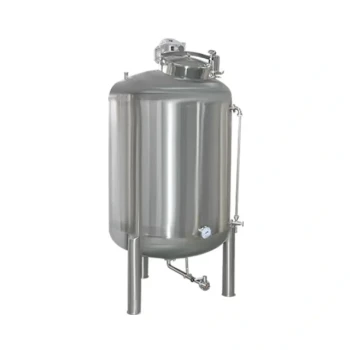
Honey is highly hygroscopic, meaning it naturally absorbs moisture from the surrounding air. Specialized storage containers, made of food-grade stainless steel or high-density synthetic materials, provide a sealed environment. This isolation prevents the honey from absorbing water, which would otherwise lead to fermentation and quality degradation.
Retaining Bioactive Nutrients
Modern temperature-controlled storage allows for the precise regulation of heat and humidity during dehydration and storage. This control is critical for preserving heat-sensitive nutrients, such as active enzymes and vitamins. By preventing thermal degradation, producers ensure the honey retains its nutritional value and premium status before export or packaging.
Locking in Flavor and Aroma
External odors can easily contaminate honey, altering its natural profile. The use of professional, sealed storage tanks ensures that the honey's specific flavor and color attributes remain unchanged. This consistency guarantees that the product tastes exactly as intended, even after long-distance transportation.
Understanding the Operational Trade-offs
While necessary for retail scale, implementing industrial processing requires balancing efficiency with product integrity.
The Cost of Infrastructure
Transitioning to industrial filtration and climate-controlled storage represents a significant capital investment. While it unlocks high-value markets, the costs of stainless steel tanks, precision filters, and climate control systems are substantial barriers for smaller producers without centralized distribution hubs.
The Balance of Purification
There is a fine line between necessary filtration and over-processing. While filtration removes unwanted debris to meet commercial standards, operators must ensure the process is calibrated to retain the honey's natural characteristics. The goal is to produce a stable, clear product without stripping away the unique identity that separates natural honey from synthetic alternatives.
Making the Right Choice for Your Operations
The specific equipment you prioritize should align with your end-market strategy.
- If your primary focus is Mass Market Retail: Prioritize advanced filtration and automated filling equipment to ensure visual clarity, hygiene, and standardized portioning required by large grocers.
- If your primary focus is Premium or Health Markets: Prioritize precision temperature-controlled storage to guarantee the preservation of heat-sensitive enzymes and vitamins that command higher prices.
By leveraging these technologies, you transform honey from a perishable raw ingredient into a durable, competitive retail product.
Summary Table:
| Feature | Industrial Advantage | Impact on Retail Quality |
|---|---|---|
| Physical Filtration | Removes wax, larvae, and debris | Enhances clarity, hygiene, and consumer confidence |
| Moisture Control | Sealed stainless steel/HDPE storage | Prevents fermentation and ensures long-term stability |
| Temperature Regulation | Precise thermal and humidity control | Preserves active enzymes, vitamins, and flavor profiles |
| Automated Processing | High-volume centrifugation/filling | Increases efficiency for pharmaceutical and food industries |
Scale Your Apiary Operations with HONESTBEE
Transition from raw honey harvesting to a globally competitive retail brand with HONESTBEE. We provide the high-performance infrastructure necessary for commercial success, including precision honey-filling machines, advanced filtration systems, and specialized hive-making equipment.
Whether you are a commercial apiary or a global distributor, our comprehensive wholesale portfolio offers the tools and industry consumables you need to maintain product integrity and maximize market value. Contact our experts today to discuss your equipment needs and see how we can optimize your honey production for the global stage!
References
- Ben Ali Samir, Dalhoumi Lamin. Determinants of Tunisian consumer preferences for forest honey: a market segmentation analysis. DOI: 10.31428/10317/10621
This article is also based on technical information from HonestBee Knowledge Base .
Related Products
- Professional Honey Storage Tank with Agitation System
- Electric Double Wall Honey Filtering Machine Purifier Equipment for Honey Processing Plant
- Honey Concentrating and Filtering Dehumidifier Machine 2T Capacity for Honey
- Professional Stainless Steel Honey Filtering Machine with Water Bath Heating for Beekeeping
- Stainless Steel Honey Storage and Settling Tank with Double Strainer
People Also Ask
- What economic role do honey storage tanks play? Boost Your Revenue Through Strategic Inventory Management
- What roles do industrial honey storage tanks and filtration meshes play in processing? Ensure Purity & Consistency
- What is the purpose of a honey storage tank? Streamline Your Honey Processing for Quality & Efficiency
- What are honey storage tanks used for? Essential Features for Quality Preservation and Profit
- How do large honey storage tanks and gravity fall filling systems improve honey packaging efficiency and safety?