The significant advantage of utilizing specialized propolis grid cleaning equipment over traditional manual hive tools lies in the precise control of mechanical force. While manual scraping creates a high risk of contaminating the raw material with shavings from the collection surface, specialized equipment employs a standardized, hygienic stripping process that preserves the purity required for food-grade certification.
Core Takeaway Manual harvesting often compromises product safety by accidentally introducing plastic micro-particles into the raw material due to uneven pressure. Specialized equipment eliminates this variable, ensuring the structural integrity of the collection grids and strict compliance with food safety standards such as EU Regulation No. 10/2011.
Eliminating Physical Contamination
The most critical function of specialized cleaning equipment is the protection of the raw material from physical impurities that manual tools frequently introduce.
Preventing Micro-particle Migration
When using a manual hive tool to scrape propolis from plastic collection grids, human error is inevitable. The variable angle and pressure can easily gouge the grid, shaving off plastic micro-particles.
Specialized equipment prevents this by applying force designed solely to dislodge the propolis, not to cut the substrate. This ensures the harvest contains only the resinous material collected by the bees, free from synthetic contaminants.
Standardizing Mechanical Force
Manual scraping relies on the physical strength and steadiness of the beekeeper, which varies from frame to frame. Inconsistent pressure often leads to incomplete harvesting or damaged equipment.
Professional machinery applies uniform mechanical force. This consistency is vital for maintaining the long-term structural integrity of the grids, allowing them to remain safe for repeated food contact.
Optimizing the Purity Protocol
Beyond simply removing the product, specialized equipment integrates with specific harvesting protocols to maximize quality.
Leveraging Low-Temperature Embrittlement
Specialized equipment is designed to function after the propolis has undergone low-temperature embrittlement (freezing).
At low temperatures, propolis becomes brittle. The equipment utilizes this physical change to "shatter" or strip the resin cleanly from the grid, rather than scraping a sticky substance, which is the common struggle with manual tools at ambient temperatures.
Maintaining Food-Grade Compliance
For propolis to be viable for laboratory research or commercial consumption, it must meet rigorous safety standards.
By utilizing a standardized machine rather than a hive tool—which may carry residues from other hive operations—you establish a hygienic barrier. This creates a verifiable chain of custody that supports claims of food-grade safety and regulatory compliance.
Understanding the Trade-offs
While specialized equipment offers superior quality control, it introduces operational changes that must be considered.
The Necessity of Freezing
Unlike manual scraping, which can sometimes be performed (inefficiently) at ambient temperatures, specialized equipment generally requires the propolis to be frozen first.
This adds a step to your processing workflow. You must have adequate freezing capacity to embrittle the propolis before the cleaning equipment can be effective.
Operational Scale vs. Cost
For small-scale hobbyists, the investment in specialized machinery may not be justifiable compared to the volume of propolis collected.
However, once production scales to a commercial level, the cost of the machine is offset by the reduction in labor and the increased value of a guaranteed contaminant-free raw material.
Making the Right Choice for Your Goal
To determine whether specialized cleaning equipment is necessary for your operation, consider your end-market requirements.
- If your primary focus is Pharmaceutical or Food-Grade Sales: You must use specialized equipment to guarantee the absence of plastic micro-particles and meet regulatory safety standards.
- If your primary focus is Casual or Personal Use: Manual scraping may be sufficient, provided you exercise extreme caution to avoid damaging the grid surface.
- If your primary focus is Operational Efficiency: Specialized equipment is essential to process high volumes of grids consistently without the fatigue associated with manual scraping.
Ultimately, shifting to specialized equipment is not just an upgrade in speed; it is a fundamental commitment to producing a verified, safe, and contaminant-free raw material.
Summary Table:
| Feature | Manual Hive Tools | Specialized Cleaning Equipment |
|---|---|---|
| Contamination Risk | High (plastic micro-particles) | Minimal (precise mechanical force) |
| Material Purity | Inconsistent/Potentially compromised | High (standardized hygienic process) |
| Physical Strain | High (manual scraping fatigue) | Low (automated/mechanical efficiency) |
| Temperature Need | Ambient (inefficient) | Requires low-temperature freezing |
| Compliance | Difficult to verify | Supports EU/Food-grade standards |
Elevate Your Propolis Production with HONESTBEE
Don't compromise the purity of your raw materials with outdated manual methods. At HONESTBEE, we empower commercial apiaries and distributors with professional-grade beekeeping machinery and equipment designed for precision. From advanced propolis harvesting tools to honey-filling machines and hive-making hardware, our comprehensive wholesale portfolio ensures your operation meets strict food-grade standards while maximizing efficiency.
Ready to scale your commercial apiary? Contact us today to explore our full spectrum of beekeeping tools and industry consumables!
References
- Roman Dvykaliuk. Exploring the composition of propolis as a subject of processing into food products. DOI: 10.15587/2706-5448.2023.282467
This article is also based on technical information from HonestBee Knowledge Base .
Related Products
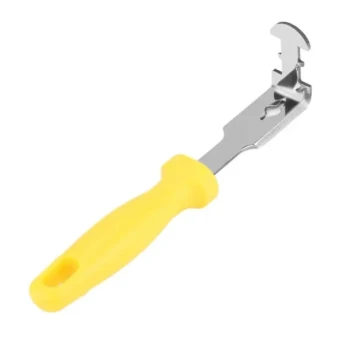
- Heavy Duty Stainless Steel Frame Cleaner with Plastic Handle
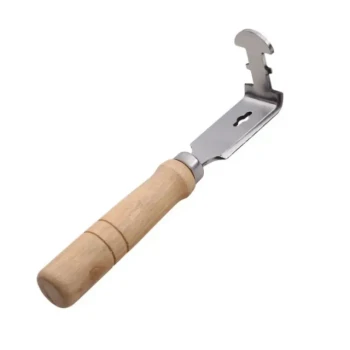
- Professional Stainless Steel Frame Cleaner with Ergonomic Wood Handle
- 8 Frame and 10 Frame Propolis Trap Collector Screen for Propolis Collection
- Precision Stainless Steel Frame Cleaner for Hive Grooves and Corners
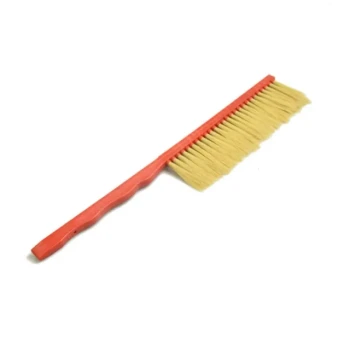
- Plastic Handle Single Row Artificial Fiber Bee Brush
People Also Ask
- What tools are used for cleaning frames? A Beekeeper's Simple 4-Tool Guide
- What are the physical characteristics of the frame cleaning tool? Durable Wood Design for Effective Hive Maintenance
- What is the purpose of the frame cleaning tool? A Precision Tool for Efficient Frame Maintenance
- In what specific situation is the frame cleaning tool particularly useful? Master Cut Comb Maintenance
- What is the function of the frame cleaning tool in beekeeping? Streamline Your Apiary Hygiene and Maintenance