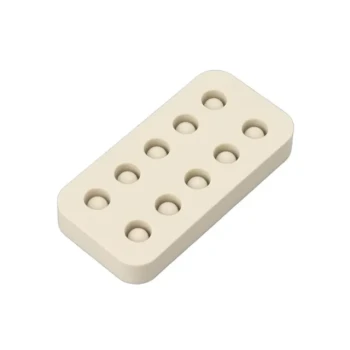
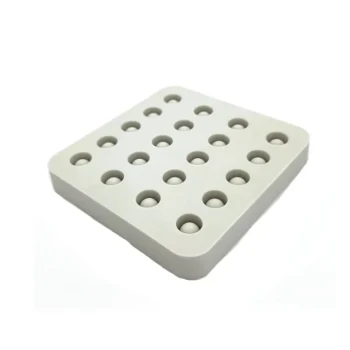
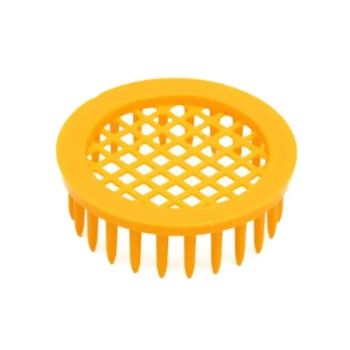
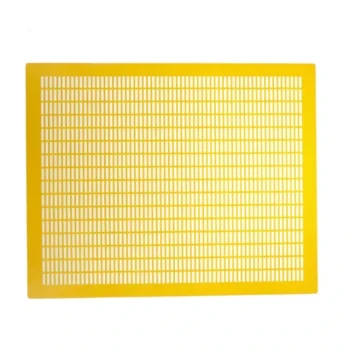
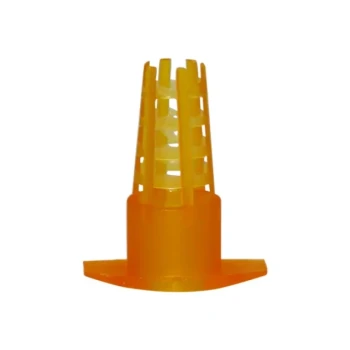
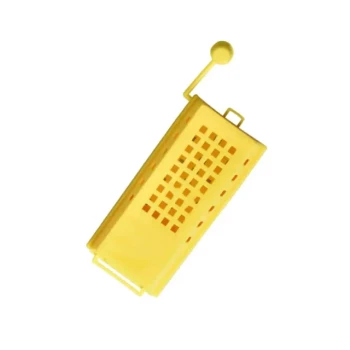
Standardized 9mm plastic queen cell cups offer a robust, biologically accurate foundation for modern queen rearing. By mimicking the exact geometric dimensions of a natural queen cell base, these cups ensure uniform royal jelly accumulation and significantly improve the durability of the grafting process compared to traditional wax methods.
By replacing variable handmade wax cups with precision-molded plastic, apiarists create a consistent environment that aligns with worker bee instincts. This standardization does not merely add convenience; it reduces developmental variations and enables scalable, efficient batch production of high-quality queens.
Optimizing Biological Conditions
Simulating Natural Development
The 9mm diameter is not an arbitrary measurement; it is engineered to simulate the natural developmental space of a queen bee.
This specific dimension provides the ideal physical surface for nurse bees to build upon. By offering a familiar geometry, the cups reduce the likelihood of bees rejecting the cell due to spatial irregularities.
Ensuring Uniform Nutrition
Standardized cups guarantee that every larva has the exact same spatial specifications.
This consistency fosters a uniform accumulation of royal jelly across all cells. Unlike handmade wax cups, which may vary in size, standardized plastic ensures no single larva is disadvantaged by a lack of volume for food storage.
Reducing Developmental Variation
Irregular cell shapes can lead to inconsistent queen quality.
Plastic cups provide a uniform substrate that minimizes these risks. The result is a stable acceptance rate across different genetic groups and fewer outliers in the final queen population.
Enhancing Operational Efficiency
Superior Durability
A significant advantage of plastic over wax is its physical strength.
High-quality plastic cups do not deform during handling, transportation, or installation onto rearing frames. This rigidity protects the delicate larvae from mechanical damage that often occurs with fragile wax structures.
Reusability and Sanitation
Plastic consumables are designed for repeated use, making them highly cost-effective for commercial operations.
They are significantly easier to clean and disinfect than beeswax cells. This capability is critical for maintaining hygiene standards and preventing pathogen transfer between batches in large-scale apiaries.
Streamlined Workflow
Standardized dimensions facilitate integration with modern queen rearing equipment, such as specialized cell bars.
Because the cups are uniform, they fit pre-spaced notches perfectly, removing the labor-intensive step of bonding individual cups to wooden bases. This allows for faster identification, handling, and transfer of developing cells.
Increasing Acceptance Rates
Inducing Worker Behavior
While plastic is artificial, it can be manipulated to trigger natural behaviors.
When pre-treated with syrup, these cups quickly induce worker bees to begin cleaning and wax construction. This "priming" process is essential for overcoming the initial artificial nature of the material.
Improving Grafting Success
The combination of a stable shape and the syrup pre-treatment leads to high acceptance rates.
Once the nurse bees accept the cup as a valid location for a queen, the rigid structure ensures the larva remains vertically suspended. This positioning is vital for optimal feeding and development.
Understanding the Trade-offs
The "Seasoning" Requirement
Plastic does not possess the inherent biological attractiveness of fresh beeswax.
Consequently, the initial acceptance rate of brand-new plastic cups may be slightly lower than that of fresh wax cells. To mitigate this, beekeepers must diligently apply the syrup pre-treatment or "season" the cups within the hive to ensure the bees recognize them as viable construction sites.
Making the Right Choice for Your Goal
Whether you are a commercial breeder or a small-scale apiarist, the move to plastic cups depends on your production volume.
- If your primary focus is large-scale production: Prioritize these cups for their durability and reusability, which streamline batch operations and reduce long-term material costs.
- If your primary focus is consistent quality: Rely on the geometric precision of the 9mm diameter to ensure every queen receives uniform nutrition and developmental space.
- If your primary focus is hygiene: Utilize the plastic material's resistance to heat and chemicals to implement strict disinfection protocols between grafting cycles.
By standardizing the cell cup, you remove the variables of construction and spacing, allowing you to focus entirely on the genetics and nutrition of your queens.
Summary Table:
| Feature | Advantage of 9mm Plastic Cups | Impact on Queen Rearing |
|---|---|---|
| Dimensions | Precise 9mm diameter mimicking natural cells | Higher acceptance and uniform royal jelly storage |
| Durability | Rigid, non-deformable material | Protects larvae during handling and transport |
| Hygiene | Heat and chemical resistant | Easy disinfection to prevent pathogen transfer |
| Efficiency | Standardized fit for cell bars | Faster workflow and scalable batch production |
| Longevity | Reusable and long-lasting | Reduced long-term material costs for apiaries |
Maximize Your Apiary's Productivity with HONESTBEE
At HONESTBEE, we specialize in empowering commercial apiaries and distributors with the high-precision tools needed for success. Our standardized 9mm queen cell cups are just the beginning—we offer a comprehensive wholesale range, including:
- Advanced Machinery: Hive-making and honey-filling machines to scale your operations.
- Professional Equipment: A full spectrum of beekeeping tools and essential consumables.
- Niche Merchandise: Honey-themed cultural products to diversify your portfolio.
Whether you are looking to improve queen quality or optimize your honey processing line, our team is ready to provide the hardware and expertise you need. Partner with HONESTBEE today—Contact us here to discuss your wholesale requirements.
References
- Noran Gamal Eldin, Nasr K. Basuny. Effect of Pollen Supplements and Substitutes on Honey Bee Queen Ovaries and Worker Hypopharyngeal Glands. DOI: 10.21608/jppp.2018.41253
This article is also based on technical information from HonestBee Knowledge Base .
Related Products
- JZBZ Type Wide Base Plastic Queen Cell Cups for Base Mounting and Queen Rearing
- Clear Black Plain Polystyrene Queen Bee Grafting Cell Cups No Lug for Bee Queen Cup
- Brown Nicot Queen Cell Cups for Breeding Queen Bees Beekeeping
- 10-Cell Silicone Beeswax Bee Queen Cups Forming Mold
- JZBZ Push-In Queen Cell Cups for Beekeeping
People Also Ask
- What is the primary function of commercial plastic queen cell cups? Driving Efficiency in Mass Queen Rearing
- What are the primary advantages of using plastic queen cell cups? The Industrial Choice for High-Efficiency Apiaries
- What technical advantages do commercial plastic queen cell cups offer? Scale Your Queen Rearing for Maximum Efficiency
- What is the function of standardized plastic Queen Cell Cups? Boost Efficiency in Commercial Larval Grafting
- Why are standardized plastic queen cell cups preferred? Boost Commercial Queen Rearing Efficiency