Vertical wooden hive boxes provide a distinct advantage in commercial meliponiculture by aligning the physical structure of the hive with the natural nesting biology of stingless bees like Melipona fasciculata. Specifically, they utilize a layered design that effectively separates the reproductive brood area from honey storage zones. This separation allows for non-destructive management, enabling beekeepers to harvest honey or inspect the colony without disrupting the queen or damaging developing larvae.
Core Insight By mimicking the natural verticality of tree hollows, these hives transform stingless beekeeping from a primitive extraction process into a scalable agricultural system. The modular design not only maximizes honey yield but significantly reduces colony mortality by isolating the colony's core from external stressors during harvest.
Optimizing Production Efficiency
Separation of Biological Functions
The primary advantage of the vertical design is the physical isolation of the brood chamber from the honey storage area.
In traditional log hives, these areas often overlap, making harvest messy and risky. Vertical boxes create a defined boundary, ensuring that management activities in one section do not negatively impact the other.
Scalability with Supers
During peak harvest seasons, beekeepers can dynamically adjust the hive volume by adding supers (additional box layers).
This allows for the expansion of honey storage space without altering the brood nest. Conversely, these layers can be removed easily during harvest, optimizing collection efficiency.
Hygienic Extraction
The modular nature of vertical hives facilitates the hygienic collection of honey and pollen.
Because the honey pots are contained in removable upper sections, they can be extracted without contaminating the lower brood area or crushing bees, a common issue in non-rationalized hives.
Enhancing Colony Management
Non-Destructive Inspections
Routine health checks are simplified as the hive can be opened at specific layers.
This allows beekeepers to monitor colony dynamics and check for pests or disease without tearing apart the colony structure. This "rationalized" approach reduces stress on the bees, leading to faster recovery after inspections.
Facilitating Artificial Swarming
Vertical hives are critical for the efficient propagation of species like Melipona fasciculata.
The modular layers allow beekeepers to easily separate brood combs to create new colonies (artificial swarming). This controlled division ensures the new colony has sufficient resources and structure to survive, significantly reducing the loss rates associated with wild harvesting.
Pest and Environmental Protection
Modern wooden hives offer tight structural integrity, which is essential for excluding predators.
A well-constructed vertical box enhances physical protection against major natural enemies, such as Phorid flies and ants, which can decimate a weak colony. Furthermore, wood provides superior moisture regulation compared to plastic, helping maintain the internal humidity levels bees require.
Understanding the Trade-offs
Initial Investment vs. Longevity
While rationalized wooden hives generally require a higher initial financial investment compared to simple boxes or plastic alternatives, they offer superior durability.
The long-term value lies in their ability to withstand environmental stress and maintain a stable internal climate, which ultimately secures the apiary's asset value.
Maintenance Requirements
Wood is organic and interacts with the environment, requiring selection of high-quality lumber to prevent rot or warping.
Unlike plastic, wooden boxes rely on the material's natural insulation properties. Poorly maintained boxes can compromise the "tight seal" needed to keep pests out, necessitating regular checks on the hardware itself.
Making the Right Choice for Your Goal
To maximize the utility of vertical wooden hives, align your management strategy with your specific commercial objectives:
- If your primary focus is honey production: Prioritize the management of supers, adding vertical space immediately during flow seasons to maximize storage without crowding the brood.
- If your primary focus is colony multiplication: Leverage the modular brood chambers to perform artificial swarming during months with abundant nectar (e.g., April and May), ensuring rapid population growth.
Adopting vertical wooden hive architecture is the single most effective hardware decision for transitioning from subsistence harvesting to sustainable, high-yield commercial stingless beekeeping.
Summary Table:
| Feature | Advantage for Commercial Management | Impact on Productivity |
|---|---|---|
| Modular Design | Separates brood chamber from honey supers | Enables non-destructive, hygienic harvesting |
| Verticality | Mimics natural nesting in tree hollows | Reduces colony stress and mortality rates |
| Scalability | Allows addition/removal of layers based on flow | Maximizes storage space during peak seasons |
| Pest Protection | Tight structural integrity & wood insulation | Prevents Phorid fly and ant infestations |
| Propagation | Easy separation of brood chambers | Facilitates efficient artificial swarming |
Scale Your Apiary with Professional-Grade Solutions
At HONESTBEE, we understand the precision required for successful commercial meliponiculture and professional beekeeping. Whether you are managing a large-scale commercial apiary or operating as a distributor, we provide the industrial-strength tools needed to thrive.
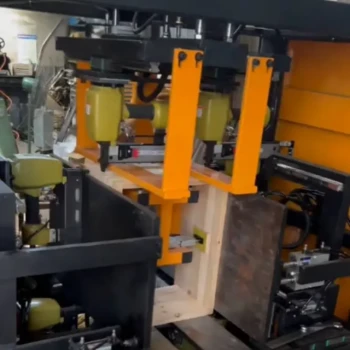
From high-quality hive-making machinery to specialized honey-filling equipment and a comprehensive range of beekeeping consumables, our portfolio is designed to enhance your efficiency and honey yield. Partner with us to access professional hardware and hive-themed merchandise tailored for the global market.
Ready to upgrade your operation? Contact HONESTBEE today to discuss our wholesale offerings and discover how we can streamline your honey production.
References
- G. C. Venturieri, Giorgini Augusto Venturieri. Honey production of the “uruçu-cinzenta” stingless bee (<i>Melipona fasciculata</i>) after offering cerumen in natural form or as artificially made pots. DOI: 10.1080/00218839.2017.1339520
This article is also based on technical information from HonestBee Knowledge Base .
Related Products
- Wooden Bee Hive Frames for Beekeeping and Wholesale
- 5 Frame Wooden Nuc Box for Beekeeping
- Wholesales Dadant Size Wooden Bee Hives for Beekeeping
- High-Performance Langstroth Bee Hives for Global Professional Beekeeping
- Langstroth Honey Bee Box Hive Boxes for Different Depths
People Also Ask
- How does balancing the number of frames impact hive productivity? Optimize Your Apiary's Biological Output
- How do wooden and plastic hive frames compare in terms of durability? Wood vs. Plastic Longevity & Repairability
- What are the main considerations when choosing between wooden and plastic bee hive frames? Optimize Your Apiary's Efficiency
- How should beehive frames be maintained to prolong their lifespan? 5 Pro Tips for Durable Beekeeping Equipment
- How are plastic frames different from traditional wooden frames? Choose the Right Frame for Your Apiary