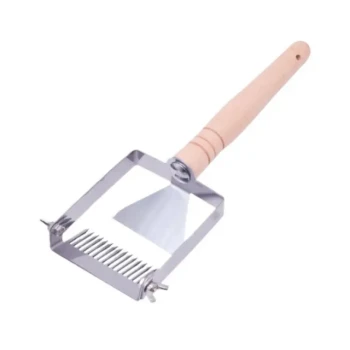
Crushing honeycomb serves as a simplified, economical approach to extraction that yields raw honey with a distinct and robust flavor profile. This method is particularly advantageous for apiarists who prioritize low equipment costs and unique culinary applications over high-volume commercial efficiency.
The core value of crushing honeycomb lies in its accessibility and the quality of the final product; it requires minimal investment and produces a "full-spectrum" honey ideal for artisanal uses, though it comes at the cost of the honeycomb structure itself.
The Advantages of Crushing and Pressing
While commercial operations often rely on centrifugal extractors, crushing—often followed by pressing—offers specific benefits that appeal to hobbyists and artisan producers.
Cost-Effectiveness and Simplicity
The primary benefit of crushing honeycomb is that it is highly economical. It removes the barrier to entry for new beekeepers by eliminating the need for expensive centrifugal extractors or automated machinery.
The process is mechanically simple. It can be performed with basic kitchen tools or a simple honey screw press, which consists of a chamber and a spindle to squeeze honey from the broken comb.
A Unique Flavor Profile
Honey extracted via crushing possesses a unique taste compared to spun honey. Because the comb is physically broken, the honey often incorporates trace amounts of pollen and propolis that would otherwise remain in the comb cells.
This results in a raw product with a more complex flavor character. This specific taste profile makes crushed honey highly sought after for direct bottling or artisanal food pairings.
Suitability for Fermentation
The primary reference highlights that crushed honey is exceptionally well-suited for making mead (honey wine). The raw nature of the honey, combined with the microscopic particulate matter released during crushing, can provide necessary nutrients for yeast during fermentation.
Understanding the Trade-offs
To make an informed decision, you must weigh the benefits of crushing against the significant downsides regarding hive management and labor.
Destruction of Drawn Comb
The most significant disadvantage of crushing is that it destroys the wax comb. In contrast, a centrifuge (honey extractor) spins the honey out while leaving the wax structure intact.
Preserving the drawn comb allows bees to reuse the structure immediately. When you crush the comb, the colony must consume significant energy and honey resources to secrete new wax and rebuild the comb for the next season.
Labor Intensity
While the equipment is simple, the process is laborious. Physically breaking the comb and operating a screw press is more physically demanding than using a hand-cranked or motorized extractor.
Furthermore, the process involves additional steps post-extraction. Once pressed, the honey usually requires warming in a water bath and careful straining to separate the liquid from the wax debris and impurities.
Making the Right Choice for Your Goal
The decision to crush honeycomb depends largely on the scale of your operation and your specific production goals.
- If your primary focus is low startup costs or artisanal flavor: Choose the crushing method. It requires minimal investment and produces a distinct, raw honey ideal for mead or specialty bottling.
- If your primary focus is yield efficiency and hive health: Choose a centrifugal extractor. This preserves the drawn comb, saving the bees the massive energy cost of rebuilding wax and increasing future honey production.
Crushing is the method of choice for the purist seeking flavor and simplicity, while extracting is the standard for the producer seeking efficiency and sustainability.
Summary Table:
| Feature | Crushing & Pressing Method | Centrifugal Extraction |
|---|---|---|
| Equipment Cost | Very Low (Basic tools/Manual press) | High (Extractors & machinery) |
| Honey Quality | Robust, includes pollen/propolis | Clear, filtered appearance |
| Comb Impact | Destroys wax structure | Preserves drawn comb |
| Labor Level | High (Physically demanding) | Moderate to Low (Motorized) |
| Best Use Case | Artisanal batches & Meads | Commercial efficiency & High yield |
Elevate Your Honey Production with HONESTBEE
Whether you are an artisanal beekeeper focused on unique flavor profiles or a commercial apiary prioritizing efficiency, HONESTBEE is your strategic partner. We empower commercial apiaries and distributors worldwide with a comprehensive suite of professional beekeeping tools and advanced machinery.
Our Value to You:
- High-Performance Machinery: From precision honey-filling machines to robust hive-making equipment.
- Essential Supplies: A full spectrum of beekeeping tools and industrial consumables to keep your operation running smoothly.
- Customized Solutions: Specialized hardware tailored to meet the demands of large-scale honey production and honey-themed cultural merchandise.
Ready to scale your business or upgrade your extraction workflow? Contact us today to explore our wholesale offerings and see how HONESTBEE can streamline your path to premium honey production.
Related Products
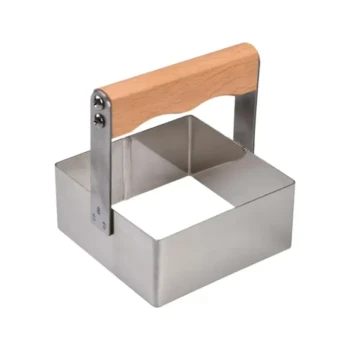
- Heavy Duty Stainless Steel Honeycomb Cutter
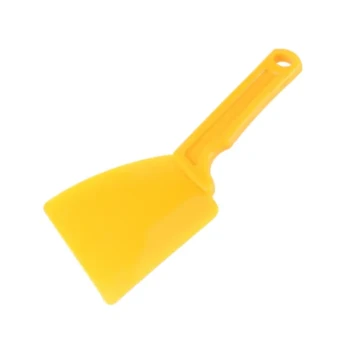
- Professional Wide Blade Honey Scraper for Beekeeping and Honey Processing
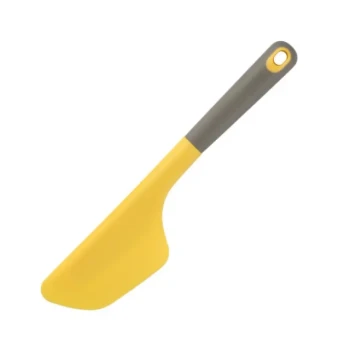
- Professional Long-Handled Silicone Honey Scraper for Beekeeping
- Stainless Steel Jack Type Honey Comb Press Machine Wax and Honey Separator
- Electric Honey Press Machine for Squeezing Honey Comb Press Equipment
People Also Ask
- How is a comb cutter used to produce cut comb honey? Master the Art of Precision Harvesting
- Why is the comb-cutting technique preferred for Apis cerana queen rearing? Boost Success with Natural Bee Biology
- What is the cut comb honey method? A Guide to Pure, Artisanal Honey Production
- How is the cut comb method used to harvest honey? Master the Art of Premium Unprocessed Honey Production
- What is cut comb honey, and how is it prepared? Experience Honey in Its Purest Form