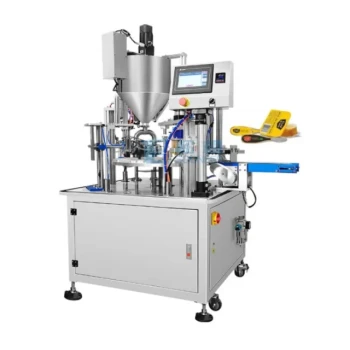
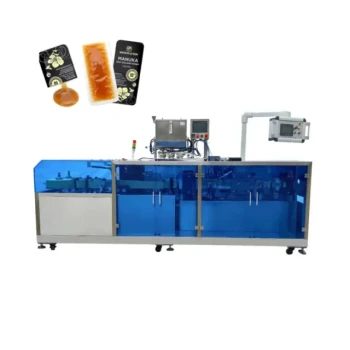
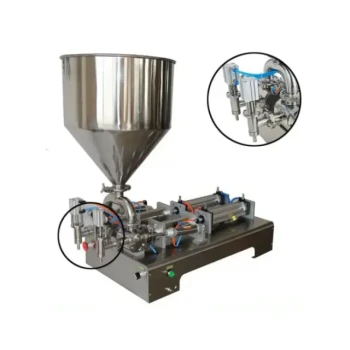
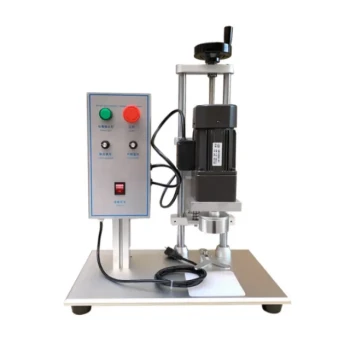
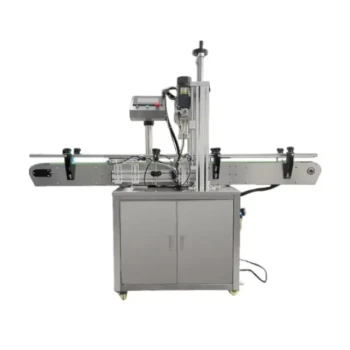
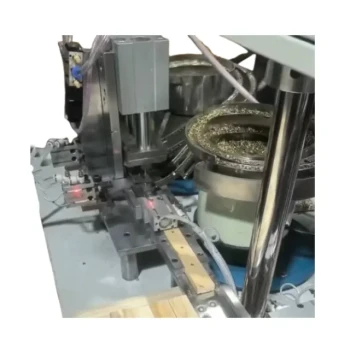
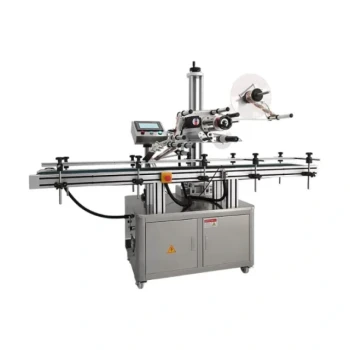
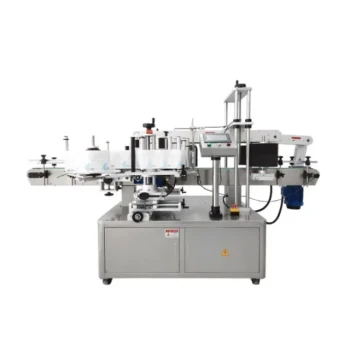
High-precision automatic filling machinery serves as a critical asset for commercial honey enterprises by guaranteeing that the net content of every unit is accurate and consistent. Through precise weighing or liquid level control mechanisms, these systems minimize raw material loss, while simultaneously lowering the risk of secondary contamination and extending shelf life through integrated sealing processes.
The transition to high-precision automation allows producers to move from variable artisanal methods to standardized industrial branding, securing both the economic bottom line through waste reduction and the biological integrity of the honey through advanced hygiene controls.
Economic Impact: Precision and Waste Reduction
Eliminating Raw Material Loss
In the honey industry, even minor overfilling per bottle accumulates into significant financial loss over large production runs. High-precision machinery utilizes advanced weighing or piston systems to ensure the exact net content is dispensed every time. This rigorous control over volume directly translates to reduced raw material waste and improved profit margins.
Scaling from Artisanal to Industrial
Manual packaging is often the bottleneck that prevents a business from growing. Automated metering systems significantly increase production line output speeds compared to manual operations. This speed and consistency facilitate the transition from small-scale production to the high-volume output required for mass market distribution.
Preserving Honey Chemistry and Quality
Mitigating Hygroscopic Risks
Honey is naturally hygroscopic, meaning it readily absorbs moisture from the surrounding air, which can lead to fermentation or spoilage. Automated, enclosed filling environments minimize the honey's exposure to open air. This prevents moisture absorption, ensuring the product maintains its intended viscosity and quality throughout its shelf life.
Controlling HMF Levels
Prolonged heating or exposure during processing can increase Hydroxymethylfurfural (HMF) levels, a key indicator of honey degradation. Automated lines reduce the time honey is exposed to the environment and process it efficiently. This helps control HMF accumulation, maximizing the preservation of sensory characteristics and medicinal active ingredients.
Managing Viscosity Consistency
Honey's viscosity changes with temperature, making it difficult to package manually without drips or inconsistencies. Precision metering pumps and integrated temperature control systems manage this viscosity effectively. This technology prevents dripping and ensures a clean, uniform fill regardless of the honey's thickness.
Hygiene and Regulatory Compliance
Preventing Secondary Contamination
The primary reference highlights that automation significantly lowers the risk of secondary contamination caused by human contact. By removing manual handling from the filling process, producers create a closed, hygienic barrier between the operator and the product. This is essential for meeting strict food safety standards and maintaining the purity of organic or unadulterated honey.
Meeting Retail Standards
Modern retail channels enforce strict compliance requirements regarding pre-packaged food weight and safety. Automated filling provides standardized packaging that meets these legal measurement regulations. This consistency enhances brand integrity and ensures the product is accepted by major distribution networks.
Understanding the Operational Trade-offs
Maintenance of Precision Components
While high-precision systems reduce waste, they rely on sensitive sensors and metering pumps that require regular calibration. Operators must commit to a strict maintenance schedule to prevent "drift" in accuracy over time. Neglecting calibration can negate the cost-saving benefits of the machinery.
Viscosity Configuration Complexity
Honey is not a uniform liquid; its flow characteristics change drastically based on floral source and temperature. Machinery must be capable of handling these variables. An overly rigid system that cannot adjust to different viscosities may result in production downtime or equipment jams.
Making the Right Choice for Your Goal
To maximize the return on investment for your filling infrastructure, consider your specific operational priorities:
- If your primary focus is Profit Margins and Scale: Prioritize machinery with high-speed piston systems or weighing modules to eliminate the "giveaway" of product and maximize daily throughput.
- If your primary focus is Product Purity and Organic Certification: Prioritize equipment with fully enclosed filling environments and integrated Clean-in-Place (CIP) systems to minimize HMF rise and prevent moisture absorption.
High-precision automation is not just about speed; it is the fundamental tool for stabilizing the variable nature of honey into a consistent, profitable commercial product.
Summary Table:
| Benefit Category | Key Advantage | Impact on Enterprise |
|---|---|---|
| Economic Efficiency | Eliminates overfilling and waste | Higher profit margins and reduced raw material loss |
| Product Quality | Minimized air exposure & HMF control | Preserves honey chemistry, viscosity, and active ingredients |
| Hygiene & Safety | Closed-loop automated systems | Prevents secondary contamination and ensures food safety compliance |
| Scalability | High-speed standardized output | Facilitates transition from artisanal to mass-market distribution |
| Brand Integrity | Consistent net weight & packaging | Meets strict retail standards and improves consumer trust |
Elevate Your Honey Production with HONESTBEE Professional Solutions
Transitioning from manual bottling to industrial scale requires more than just speed—it requires precision and reliability. HONESTBEE specializes in supporting commercial apiaries and distributors with high-performance beekeeping tools and automated machinery. From high-precision honey-filling machines to hive-making hardware and essential industry consumables, our comprehensive wholesale offering is designed to protect your product's biological integrity while maximizing your economic bottom line.
Ready to optimize your packaging line and enhance your brand's market presence?
Contact Our Experts Today to find the perfect machinery for your honey enterprise.
References
- Abdulwahid Ajibola, Kennedy H. Erlwanger. Nutraceutical values of natural honey and its contribution to human health and wealth. DOI: 10.1186/1743-7075-9-61
This article is also based on technical information from HonestBee Knowledge Base .
Related Products
- Fully Automatic Honey Filling Packaging Machine for Processing Line
- Automatic Honey Filling and Filtering Machine for Beekeeping Bottle Filling
- Semi Automatic Small Honey Bottle Filling Machine Honey Filler
- Precision Automated Packaging Turntable Honey Spoon Filling Sealing Packing Machine
- Precision Durable Efficient HONESTBEE Rotary Honey Filling Machine
People Also Ask
- Why are fully automatic honey filling and packaging lines essential? Boost Your Honey's Market Value and Quality
- What is a fully-automatic honey filler? Streamline Your Production with High-Precision Automation
- How do automated honey filling and packaging machines affect profitability? Boost Margins with HONESTBEE Technology
- How do automated honey filling and packaging machines contribute to the market value of honey products? Maximize Your ROI
- How do industrial-grade automated honey filling and packaging machines mitigate the risk of physical contamination?