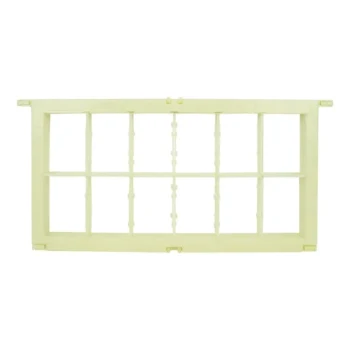
A detection frame with a 5x5 cm grid transforms subjective observation into precise, quantitative science. By utilizing pre-set standardized geometric units, this tool allows technical personnel to move beyond rough estimates and calculate the exact total brood volume through cumulative scoring of the larva area.
The precision of a grid frame does more than count larvae; it generates the specific data required to calculate the bees-to-brood ratio, a vital indicator for detecting abnormal colony behavior and distinct disease pressure.
From Estimation to Standardization
Eliminating Subjective Bias
Without a grid, assessing colony strength is prone to human error and inconsistency.
A 5x5 cm grid eliminates these subjective estimation errors. It forces the observer to evaluate specific sections of the honeycomb, ensuring that the data collected is scientifically comparable and repeatable across different colonies and inspections.
Rapid and Intuitive Quantification
While the tool adds precision, it retains efficiency.
The standardized units allow for rapid and intuitive visual quantification. This method is not limited to larvae; it is equally effective for measuring capped brood, honey reserves, and pollen reserves, providing a holistic snapshot of colony resources.
The Diagnostic Value of Precision
Calculating Total Brood Volume
The primary technical benefit of the grid is the ability to perform cumulative scoring.
By summing the grid units occupied by larvae, you derive an accurate figure for the total brood volume. This exact figure is the foundational data point required for higher-level analysis.
Identifying Compensatory Behavior
The true power of this data lies in the bees-to-brood ratio.
Once you have an accurate larva count, you can compare it to the population of adult bees. A disproportionate ratio often indicates abnormal compensatory brood-rearing behavior. This is a critical red flag that helps identifying underlying disease pressure that a simple visual inspection might miss.
Understanding the Trade-offs
The Necessity of Rigor
While the grid eliminates subjective guessing, it requires strict adherence to the geometric boundaries.
The tool is only effective if the user consistently applies the cumulative scoring method. Using the frame casually without recording the cumulative data negates the benefit of scientific comparability and prevents the calculation of the bees-to-brood ratio.
Making the Right Choice for Your Goal
To maximize the utility of the 5x5 cm detection frame, align your usage with your specific inspection objectives.
- If your primary focus is Scientific Research: Rely on the grid to ensure repeatability and comparability of data across different colonies and timeframes.
- If your primary focus is Disease Management: Use the larva area measurements specifically to calculate the bees-to-brood ratio to spot hidden compensatory behaviors.
By converting visual patterns into hard data, you turn a routine hive check into a diagnostic assessment of colony resilience.
Summary Table:
| Feature | Benefit | Application |
|---|---|---|
| 5x5 cm Grid Units | Eliminates subjective bias | Standardized data collection |
| Cumulative Scoring | Precise total brood volume | Scientific research & colony tracking |
| Bees-to-Brood Ratio | Identifies abnormal behavior | Early disease detection & management |
| Multi-Resource Use | Versatile quantification | Measuring honey, pollen, and capped brood |
Scale Your Apiary Efficiency with HONESTBEE
Transition from guesswork to data-driven beekeeping. As a dedicated partner to commercial apiaries and distributors, HONESTBEE provides the professional-grade tools you need to optimize colony health. From precision detection frames to automated hive-making and honey-filling machinery, our comprehensive wholesale catalog covers your entire production cycle.
Ready to upgrade your commercial operation? Contact HONESTBEE today to explore our full spectrum of beekeeping equipment, industry consumables, and honey-themed cultural merchandise. Let us help you achieve superior colony resilience and operational success.
References
- Jörg G. Stephan, Eva Forsgren. American foulbrood in a honeybee colony: spore-symptom relationship and feedbacks between disease and colony development. DOI: 10.1186/s12898-020-00283-w
This article is also based on technical information from HonestBee Knowledge Base .
Related Products
- Ergonomic Plastic Frame Spacer Tool for Rapid Hive Management Beekeeping
- Ergonomic High Visibility Plastic Frame Grip Handles
- Heavy-Duty Stainless Steel Frame Grip
- HONESTBEE AC Powered Wire Embedder with Alligator Clips
- Heavy-Duty T-Style Frame Perch
People Also Ask
- What specific challenges do beekeeping hive tools address during hive maintenance? Essential Solutions for Apiaries
- How do specialized beehive management tools assist in the routine maintenance of bee colonies? Boost Hive Efficiency
- How do specialized beehive management tools support high-purity honey production? Master Monofloral Isolation
- What additional equipment might be useful for beekeeping? Boost Hive Health & Efficiency
- How do spring inspections for honeybee starvation symptoms guide apiary management? Optimize Colony Survival & Growth