Using an industrial fine grinder transforms raw pollen from a clustered pellet into a highly bioavailable micronized powder. This process mechanically disrupts the pollen’s protective cell walls, significantly improving the honeybee's ability to absorb proteins, lipids, and antioxidants while ensuring a perfectly uniform mixture within feed supplements.
Core Takeaway: The primary value of industrial grinding is not just particle reduction, but the biological unlocking of nutrients. By breaking physical cell barriers and increasing surface area, you convert raw pollen into a form that is easier for bees to digest and easier for producers to mix consistently.
Unlocking Nutritional Bioavailability
The most critical benefit of industrial fine grinding is the enhancement of the pollen's nutritional value for the colony.
Breaking Physical Barriers
Pollen is naturally encased in a tough cell wall that can be difficult to digest. Industrial grinding mechanically fractures these cell walls, removing the physical barrier that otherwise protects the internal nutrients.
Improving Nutrient Absorption
Once the cell wall is broken, the colony can access the dense nutrition inside. This process significantly improves the utilization of proteins, lipids, and antioxidant substances, ensuring the bees—particularly larvae and young bees—absorb the maximum nutritional value.
Achieving Mixture Consistency
Beyond biology, fine grinding solves substantial mechanical challenges associated with manufacturing feed supplements.
Increasing Specific Surface Area
The grinder micronizes dry pollen, drastically increasing its specific surface area. This creates a fine powder that interacts more effectively with other ingredients compared to whole or coarse pollen clumps.
Ensuring Uniform Distribution
A micronized powder facilitates a highly uniform physical mixture when combined with sugar powder or syrup. This homogeneity guarantees that every drop or gram of feed contains a consistent level of nutrition, rather than creating "hot spots" of pollen.
Preventing Sedimentation
When mixing pollen into liquid feeds like syrup, whole pellets or coarse particles tend to sink. The precision processing of an industrial grinder creates particles fine enough to prevent pollen sedimentation, keeping the nutrients suspended and accessible throughout the liquid feed.
Operational Considerations
While the benefits are clear, utilizing this equipment introduces specific processing requirements that must be met to ensure success.
The Requirement for Dry Input
The primary reference explicitly notes the micronization of dry pollen. To prevent clogging and ensure a true powder consistency, the raw pollen must be adequately dried before entering the industrial grinder.
The Necessity of "Industrial-Grade"
Standard equipment is often insufficient for breaking down collected clumps into the necessary fine particles. Industrial-grade equipment is essential to achieve the specific micronization required to disrupt cell structures and ensure suspension in liquids.
Making the Right Choice for Your Feed
- If your primary focus is Colony Health: Prioritize grinding to break cell walls, as this directly increases the bioavailability of proteins and antioxidants for larvae development.
- If your primary focus is Product Quality: Focus on the increased surface area to prevent sedimentation and ensure a uniform, professional-grade mixture in your sugar or syrup feeds.
Fine grinding bridges the gap between raw potential and digestible nutrition, turning collected pollen into a premium feed supplement.
Summary Table:
| Benefit Category | Key Improvement | Industrial Grinder Impact |
|---|---|---|
| Nutritional | Bioavailability | Breaks tough cell walls to release proteins and antioxidants |
| Biological | Absorption Rate | Enhances digestion efficiency for larvae and young bees |
| Consistency | Mixture Uniformity | Creates micronized powder for even distribution in supplements |
| Stability | Sedimentation Control | Prevents pollen from sinking in liquid syrup mixtures |
| Manufacturing | Surface Area | Increases contact area for better interaction with other ingredients |
Elevate Your Beekeeping Operations with HONESTBEE
Maximize the nutritional potential of your apiary's feed with professional-grade processing. At HONESTBEE, we specialize in supporting commercial apiaries and distributors with high-performance beekeeping machinery and essential tools. From industrial-grade fine grinders and honey-filling machines to specialized hive-making equipment, our comprehensive wholesale portfolio is designed to enhance your efficiency and product quality.
Ready to scale your production and deliver superior nutrition to your colonies? Contact our expert team today to explore our full spectrum of beekeeping hardware and industry consumables!
References
- Maciej Sylwester Bryś, Aneta Strachecka. Changes in the Activities of Antioxidant Enzymes in the Fat Body and Hemolymph of Apis mellifera L. Due to Pollen Monodiets. DOI: 10.3390/antiox14010069
This article is also based on technical information from HonestBee Knowledge Base .
Related Products
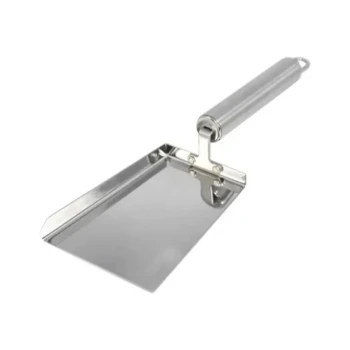
- Heavy-Duty Ergonomic Stainless Steel Pollen Shovel
- Heavy-Duty Ergonomic Grip Galvanized Pollen Shovel
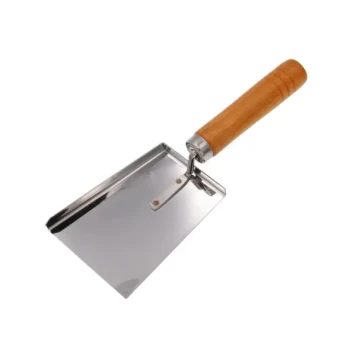
- Stainless Steel Pollen Shovel with Wooden Handle
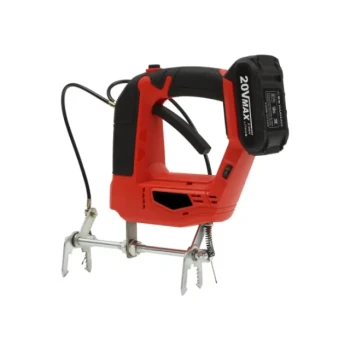
- High Performance Cordless Electric Bee Shaker for Beekeeping
People Also Ask
- How is pollen cleaned after it has been dried? Master Efficient Separation for Pure Bee Pollen
- What methods are used to clean harvested bee pollen? Scale Your Beekeeping Operations with the Right Technique
- How can harvested bee pollen be cleaned to remove impurities? Efficient Methods for Commercial and Hobbyist Beekeepers
- How do bee pollen collection tools affect the quality of bee pollen used in functional dairy ice cream production?
- What is the technical significance of using specialized cutting tools for propolis? Master Precision Pollen Harvesting