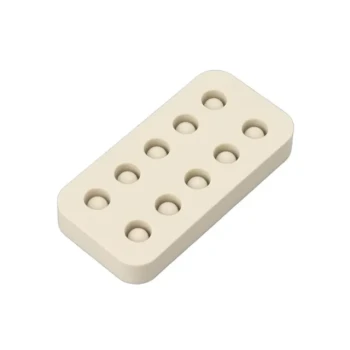
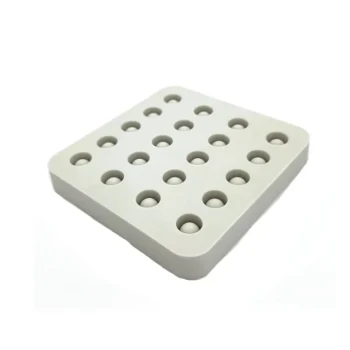
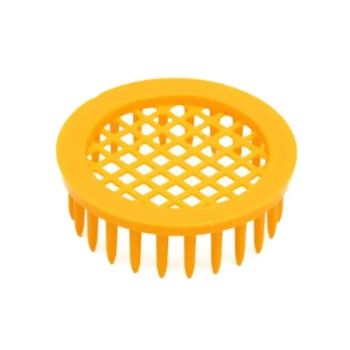
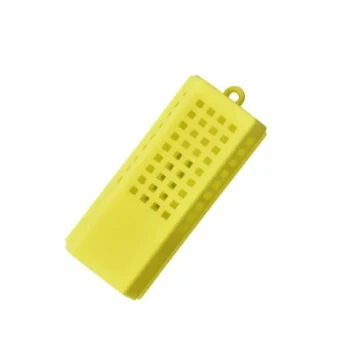
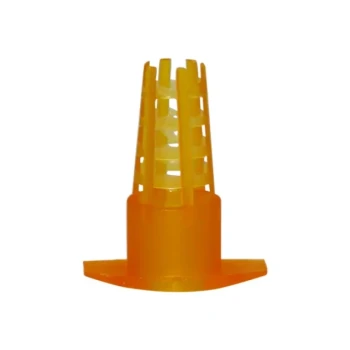
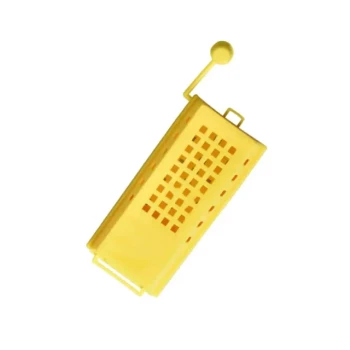
The primary benefit of using plastic queen cell cups is the creation of a consistent, durable environment that maximizes larval survival and streamlines the grafting workflow. These cups provide a standardized geometric structure that mimics natural queen cells, making them easier to handle, clean, and reuse compared to traditional wax alternatives.
The core value of plastic queen cell cups lies in standardization: by eliminating geometric irregularities and physical fragility, they allow beekeepers to scale operations efficiently while maintaining high acceptance rates from nurse bees.
The Role of Standardization in Success
Mimicking Natural Geometry
Plastic cups are engineered with precise dimensions—typically 8-9mm in diameter and approximately 6mm in depth—to replicate the base of a natural queen cell.
This specific depth is critical. It creates a familiar environment that encourages nurse bees to actively secrete royal jelly, directly contributing to higher survival rates and superior queen quality.
Consistency Across Batches
Unlike handmade wax cups, which can vary in thickness and shape, plastic cups offer uniformity.
This ensures that every larva is introduced into an identical environment. This consistency helps stabilize acceptance rates across different colonies and genetic groups, removing variables that often lead to grafting failure.
Durability and Workflow Efficiency
Protection Against Physical Damage
A significant advantage of plastic over wax is structural integrity.
Plastic cups do not deform under the pressure of handling, transportation, or installation onto rearing frames. This rigidity protects the delicate larvae from mechanical damage during the transfer process, which is a common cause of failure in traditional methods.
Enhanced Reusability and Hygiene
High-quality plastic cups are designed for long-term use.
They are significantly easier to clean and disinfect than wax cups. This durability supports a cycle where cups can be sanitized and reused for multiple grafts, making them a cost-effective choice for sustained operations.
Streamlined Handling
Plastic cups are designed with identification and mounting in mind.
They typically feature bases that allow for easy fixation onto the wooden bars of grafting frames. Their distinct appearance also makes it simpler for the beekeeper to locate and assess developing cells within a busy hive environment.
Understanding the Trade-offs
The Necessity of Cleaning
While reusability is a benefit, it introduces a strict requirement for hygiene.
Because you are not melting the cup down after every cycle (as you might with wax), you must rigorously clean and disinfect plastic cups to prevent the spread of pathogens between batches.
Acceptance Period
Plastic is an artificial material.
To ensure optimal acceptance, it is often necessary to let worker bees "polish" or clean the cups inside the hive before the actual grafting takes place. Failing to allow for this acclimation period can sometimes result in lower initial acceptance compared to pure beeswax.
Making the Right Choice for Your Goal
Whether you are managing a few hives or a commercial apiary, the choice of equipment dictates your workflow.
- If your primary focus is large-scale production: Plastic cups are essential for their standardized dimensions and durability, enabling rapid batch processing and consistent results.
- If your primary focus is learning and skill building: Plastic cups provide a stable, easy-to-handle platform that reduces the risk of damaging larvae while you master the dexterity required for grafting.
By standardizing the cell environment, you remove the variables of construction and fragility, allowing you to focus entirely on the genetic quality of your queens.
Summary Table:
| Feature | Plastic Queen Cell Cups | Traditional Wax Cups |
|---|---|---|
| Geometric Consistency | Uniform precision (8-9mm) | Variable and handmade |
| Durability | High; rigid and crush-resistant | Low; fragile and easily deformed |
| Ease of Use | Standardized mounting and handling | Requires manual molding and attachment |
| Reusability | Multiple cycles with easy cleaning | Usually one-time use or melted down |
| Primary Benefit | Scalability and standardized environment | Natural material familiar to bees |
Maximize Your Honey Production with HONESTBEE
At HONESTBEE, we specialize in empowering commercial apiaries and beekeeping distributors with the industry's most reliable tools. Our plastic queen cell cups are just one part of our comprehensive wholesale portfolio, which includes everything from hive-making and honey-filling machines to essential consumables and honey-themed cultural merchandise.
Whether you are scaling your operation or looking for a steady supply of professional-grade equipment, our team is here to provide high-quality, cost-effective solutions tailored to your business needs.
Take your queen rearing to the next level today—contact our experts at HONESTBEE to discuss your wholesale requirements.
Related Products
- Clear Black Plain Polystyrene Queen Bee Grafting Cell Cups No Lug for Bee Queen Cup
- JZBZ Type Wide Base Plastic Queen Cell Cups for Base Mounting and Queen Rearing
- Plastic Chinese Queen Grafting Tool for Bee Queen Rearing
- Plastic Beekeeping Honey Bee Larvae Grafting Tools for Queen Rearing and Chinese Grafting
- JZBZ Push-In Queen Cell Cups for Beekeeping
People Also Ask
- What materials are used to make artificial queen cell cups for grafting? Beeswax vs. Plastic Guide
- What role do specialized queen rearing tools play in developing mite-resistant honeybee stock? Master Genetic Selection
- What roles do specialized queen cell cups play in royal jelly production? Optimize Your Hive's Secretion and Yield
- What types of cell cups are commonly used in grafting? Plastic vs. Wax for Queen Rearing Success
- Why is a diluted royal jelly solution applied to queen cell cups? Boost Acceptance in Artificial Grafting