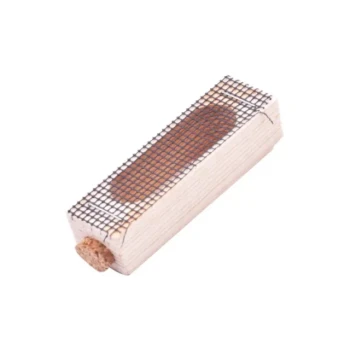
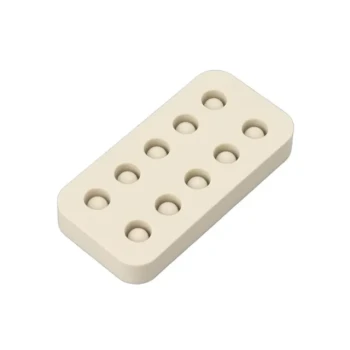
Specialized Queen Banks and recovery facilities serve a critical conservation role by preserving surplus virgin queens that would otherwise be wasted. Instead of discarding excess biological resources, these facilities allow breeders to capture and manage these queens for future use. This directly supports the selective breeding of superior genetics while significantly reducing the reliance on harvesting wild colonies for propagation.
By preventing the waste of biological resources, Queen Banks stabilize artificial rearing systems and promote sustainability, allowing for genetic improvement without depleting natural wild populations.
Maximizing Biological Efficiency
Preventing Resource Waste
In standard colony dynamics, surplus virgin queens are often eliminated or die if not utilized immediately. Queen Banks and recovery facilities intervene in this process.
They capture these "excess" biological resources, transforming a potential loss into a manageable asset. This ensures that the energy the colony spent rearing these queens contributes to the apiary's future growth.
Stabilizing Rearing Systems
Reliability is a major challenge in stingless bee breeding. By maintaining a reserve of queens, these facilities provide a buffer against unexpected losses.
This ensures a steady supply of reproductive stock. It prevents the bottlenecks that occur when a beekeeper must wait for a new natural cycle to produce a queen.
Enhancing Genetic Quality
Enabling Selective Breeding
The primary long-term benefit of these facilities is the control they offer over genetics. They allow technicians to isolate and maintain specific queens.
This facilitates the selection of superior traits, such as high vigor or productivity. Breeders can move away from random propagation and toward a structured program that improves colony quality over generations.
Ensuring High-Vigor Mating
While the primary reference focuses on recovery, the context of specialized facilities implies a controlled environment. Similar to mating boxes, these facilities likely support the maturation process.
By managing the queen's environment prior to introduction, you ensure she is in optimal condition. This increases the likelihood of successful colony establishment.
Promoting Environmental Sustainability
Reducing Wild Harvesting
Traditional meliponiculture often relies on extracting colonies from their natural habitats. This can be destructive to forests and wild populations.
Queen Banks allow for the expansion of operations using existing stock. This significantly reduces the need to harvest wild colonies, protecting original mother colonies in the wild.
Supporting Artificial Splitting
With a banked supply of queens, artificial splitting becomes more predictable and less risky. You do not have to rely solely on the colony's emergency queen-rearing response.
This makes the breeding process more sustainable. It decouples the growth of the apiary from the depletion of natural resources.
Understanding the Trade-offs
Requirement for Specialized Management
Implementing Queen Banks is not a passive activity. It introduces a layer of complexity to the apiary workflow.
These facilities require precise management to be effective. The environment must be strictly controlled to prevent the death of the isolated queens.
Operational Costs
While they reduce long-term losses, these facilities represent an investment in equipment and labor.
You are moving from a low-intervention model to a high-management model. This requires skilled technicians capable of handling delicate virgin queens without injuring them.
Making the Right Choice for Your Goal
To determine if Queen Banks are right for your operation, consider your specific objectives:
- If your primary focus is genetic improvement: Use Queen Banks to segregate and maintain lines with superior traits, ensuring only the best genetics are propagated.
- If your primary focus is conservation: Prioritize these facilities to expand your apiary count purely through artificial splitting, eliminating the need to disturb wild habitats.
Integrating Queen Banks into your apiary shifts your operation from simple extraction to sustainable, scientifically-managed stewardship.
Summary Table:
| Key Benefit | Description | Impact on Operation |
|---|---|---|
| Resource Recovery | Saves surplus virgin queens from being wasted | Increases biological efficiency and stock availability |
| Genetic Control | Enables selection of superior traits and lineages | Improves long-term colony vigor and productivity |
| Sustainability | Reduces reliance on harvesting wild colonies | Protects natural ecosystems and wild populations |
| System Stability | Provides a buffer against unexpected queen losses | Ensures predictable and reliable artificial splitting |
| Risk Mitigation | Decouples apiary growth from natural cycles | Minimizes bottlenecks in breeding and propagation |
Elevate Your Commercial Apiary with HONESTBEE
Are you looking to scale your stingless bee breeding operation with professional-grade precision? HONESTBEE is dedicated to supporting commercial apiaries and distributors with the high-performance tools and equipment needed for sustainable success.
Our comprehensive wholesale portfolio includes everything from specialized hive-making and honey-filling machinery to essential industry consumables and honey-themed cultural merchandise. Whether you are building advanced Queen Banks or expanding your distribution network, we provide the hardware and expertise to optimize your genetic preservation and honey production.
Ready to transform your beekeeping business? Contact us today to discover how our wholesale solutions can enhance your efficiency and promote environmental stewardship.
References
- José Javier G. Quezada‐Euán, David W. Roubik. From neglect to stardom: how the rising popularity of stingless bees threatens diversity and meliponiculture in Mexico. DOI: 10.1007/s13592-022-00975-w
This article is also based on technical information from HonestBee Knowledge Base .
Related Products
- JZBZ Type Wide Base Plastic Queen Cell Cups for Base Mounting and Queen Rearing
- Premium Nicot Style Cell Bar Holder and Queen Cell Cup Holder System
- Durable Galvanized Steel Spring Queen Bee Cage
- Classic Wooden and Mesh California Queen Cage
- Professional Queen Catcher and Introduction Queen Cage
People Also Ask
- What are the primary advantages of using plastic queen cell cups? The Industrial Choice for High-Efficiency Apiaries
- What technical advantages do commercial plastic queen cell cups offer? Scale Your Queen Rearing for Maximum Efficiency
- What is the function of standardized plastic Queen Cell Cups? Boost Efficiency in Commercial Larval Grafting
- Why are standardized plastic queen cell cups preferred? Boost Commercial Queen Rearing Efficiency
- Why are standardized plastic queen cell cups typically used in large-scale queen bee production? Boosting Apiary Output