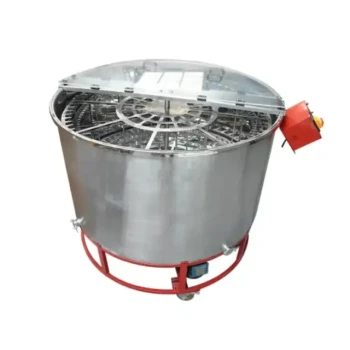
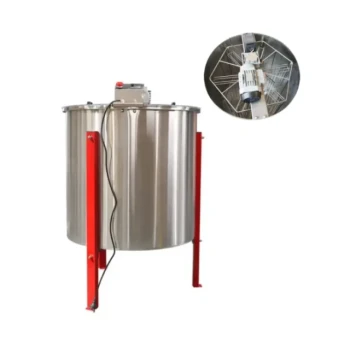
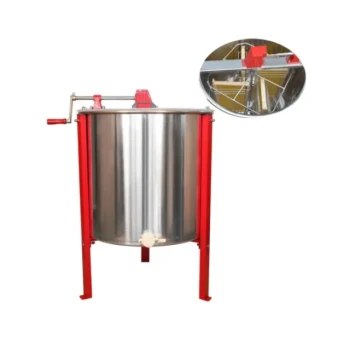
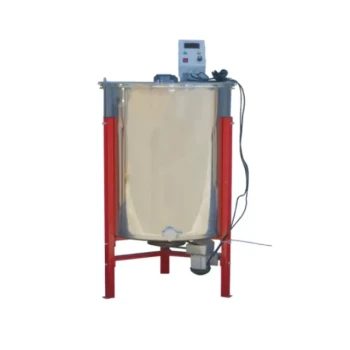
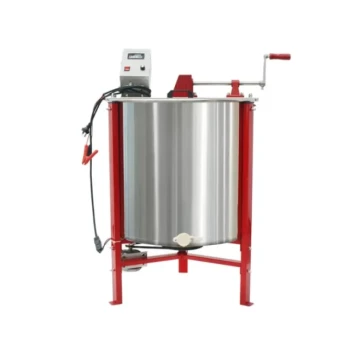
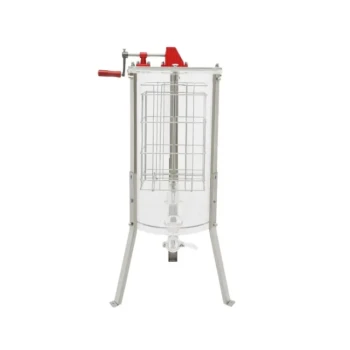
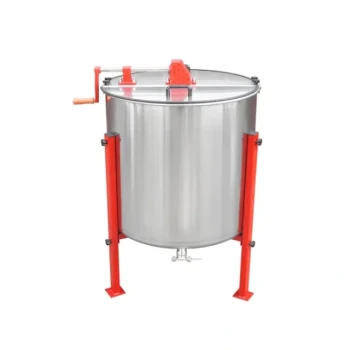
To ensure the longevity of your honey extractor, the machine must be stored in a cool, dry location with minimal foot traffic. You should also cover the unit with a clean sheet or plastic wrap to safeguard it against dust accumulation and insect intrusion.
Core Takeaway Proper storage is a cycle of hygiene and protection: the equipment must be thoroughly cleaned and dried to prevent mold, then placed in a stable, low-humidity environment to prevent rust and physical damage.
Creating the Ideal Storage Environment
Temperature and Humidity Control
Your primary goal is to prevent rust and mold. Store the extractor in a cool, dry area.
Excessive moisture is the enemy of the metal components, particularly the bearings and the drum. Avoid damp basements or sheds where condensation is common.
Physical Protection
Place the extractor in a location with minimal foot traffic.
Extractors, especially large stainless steel models, can be damaged by accidental bumps or knocks. A dent in the drum can disrupt the balance during spinning, leading to vibration issues later.
The Protective Cover
Always cover the machine with a sheet or plastic tarp.
This creates a barrier against dust settling inside the drum. It also prevents bugs or rodents from nesting in the equipment during the off-season.
Preparation Before Storage
Thorough Cleaning
Never store an extractor with honey or wax residue. Disassemble the unit and wash all parts with warm soapy water.
This prevents the growth of bacteria and mold, which thrive on sugary residues. It also ensures the machine is sanitary and ready for immediate use next season.
Complete Drying
After washing, ensure the unit is completely dry before putting it away.
Trapped moisture is a leading cause of corrosion. If your model is made of stainless steel, drying is critical to maintaining its resistance to rust.
Mechanical Inspection
Before long-term storage, check the condition of the gearbox and bearings.
Inspect the honey gate and its pivot screw, as this is a common failure point. Ensure these mechanisms are clean and functioning smoothly.
Common Pitfalls to Avoid
Over-Lubrication
Do not apply grease or oil unless your specific manual explicitly requires it.
Most modern extractors do not require lubrication. Using unnecessary lubricants creates a risk of contaminating your honey during the next harvest.
Ignoring Material Limitations
Be mindful of the material your extractor is made from.
While stainless steel is durable, it is not invincible against rust if left wet. Plastic models are easier to clean but may become brittle if stored in areas with extreme temperature fluctuations.
Making the Right Choice for Your Goal
To ensure your equipment is ready for the next harvest, follow these guidelines:
- If your primary focus is Equipment Longevity: Prioritize a dry environment and ensure the unit is bone-dry before covering it to prevent corrosion.
- If your primary focus is Hygiene and Food Safety: Dedicate extra time to disassembling and washing the unit with warm soapy water to eliminate all bacterial growth points.
Treat your extractor as a precision food instrument, not just a garden tool.
Summary Table:
| Storage Step | Key Action | Benefit |
|---|---|---|
| Cleaning | Wash with warm soapy water | Prevents bacteria, mold, and ant attraction |
| Drying | Ensure 100% moisture removal | Prevents rust, corrosion, and gearbox damage |
| Environment | Cool, dry, low-traffic area | Maintains structural integrity and prevents dents |
| Protection | Cover with sheet or plastic wrap | Blocks dust, debris, and nesting insects |
| Inspection | Check honey gate and bearings | Identifies repair needs before the next season |
Maximize Your Apiary Productivity with HONESTBEE
At HONESTBEE, we understand that high-quality equipment is the backbone of a successful harvest. As a dedicated partner to commercial apiaries and global distributors, we provide a comprehensive wholesale range designed to withstand the rigors of professional beekeeping.
Our expertise extends across the entire industry spectrum:
- Heavy-Duty Machinery: From high-capacity honey extractors and honey-filling machines to specialized hive-making equipment.
- Essential Gear: A full catalog of professional beekeeping tools and hardware.
- Industry Consumables: Every essential item needed to keep your operations running smoothly.
- Cultural Merchandise: Unique honey-themed products to diversify your retail offering.
Whether you are scaling your honey production or stocking your distribution warehouse, HONESTBEE delivers the durability and precision you need to succeed.
Ready to upgrade your inventory? Contact us today to discuss our wholesale solutions and see how we can add value to your business!
Related Products
- HONESTBEE 72 Frame Industrial Electric Honey Extractor for Beekeeping
- Commercial Electric 12 Frame Honey Extractor Spinner Motorized Honey Extractor
- HONESTBEE 6 Frame Self Reversing Electric Honey Extractor for Beekeeping
- HONESTBEE 3-Frame Manual Acrylic Honey Extractor
- Stainless Steel Manual 8 Frame Radial Honey Extractor Machine for Beehives
People Also Ask
- What is the importance of balancing honeycomb frames within a honey extractor? Ensure Stability and Protect Machinery
- How is honey separated from the frames after they are uncapped? Efficient Extraction Methods for High Yields
- What are the main benefits of using a honey extractor? Maximize Yields and Protect Your Honeycomb
- What are the recommended methods for removing honey from the honeycomb? Top Extraction Techniques for Maximum Efficiency
- How do manual honey extractors compare to electric honey extractors? Choosing the Right Tool for Your Apiary Growth