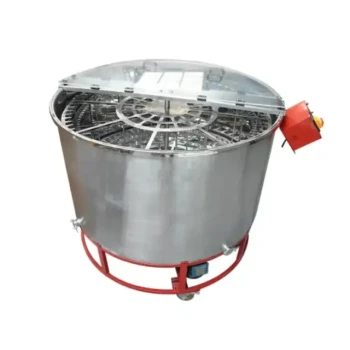
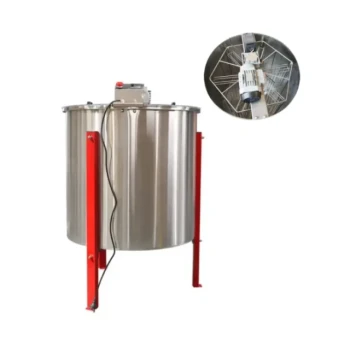
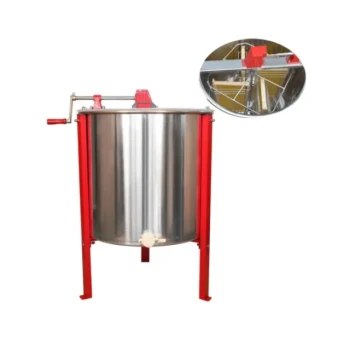
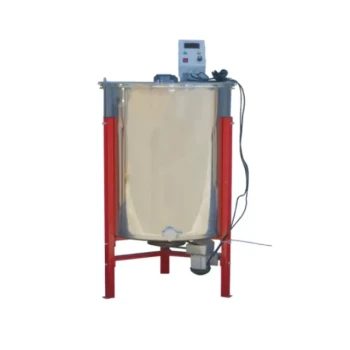
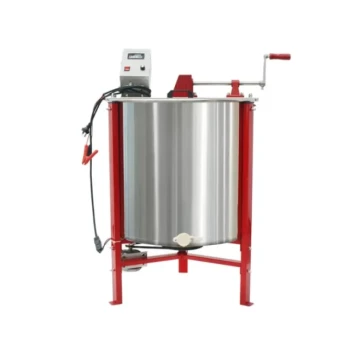
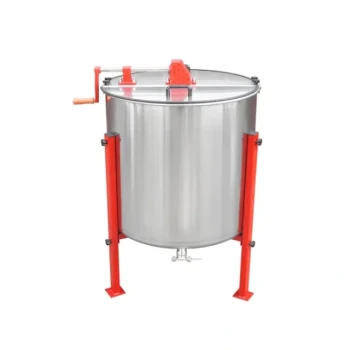
The most critical factor in storing honey extractors is ensuring the equipment is thoroughly cleaned and immediately covered in a dry, protected environment. Proper storage practices shield the machinery from dust and pests, significantly reducing the sanitation workload required before the next harvest begins.
Core Takeaway Storage is not merely about putting equipment away; it is a preservation strategy. By keeping your extractor clean, covered, and dry, you prevent contamination and mold growth that could jeopardize your future honey production.
The Principles of Preservation
Controlling the Environment
To ensure the longevity of your equipment, you must choose a storage location that is strictly dry and safe.
Ideal locations include a weather-proof storage shed, a barn, or a dedicated area inside a large tote for smaller components.
Avoiding Elemental Exposure
It is vital to protect your extractor from the elements, specifically moisture and temperature extremes.
Exposure to damp conditions, especially during the long winter months, can lead to rust or mechanical degradation.
Preparation and Protection
The Necessity of Deep Cleaning
Before the extractor is moved to storage, it must be thoroughly cleaned.
Storing a dirty extractor attracts pests and allows honey residue to harden, making future cleaning nearly impossible.
Establishing a Physical Barrier
Covering the equipment between uses is essential.
A proper cover acts as the primary line of defense against dust accumulation and potential contamination from the surrounding environment.
Pest Management
A clean and covered extractor discourages infestation.
By removing food residues and sealing the unit, you prevent insects and rodents from nesting in or soiling the machinery.
Common Pitfalls to Avoid
The Risk of Residual Moisture
Never store equipment that is still damp or located in a humid environment.
Mold growth is a significant risk in wet conditions, which poses a severe health hazard for future food production.
Underestimating Dust Accumulation
Failing to cover the extractor because it is stored indoors is a common mistake.
Even in a garage or shed, ambient dust will settle on the interior basket, forcing you to perform a deep clean again before the next use.
Making the Right Choice for Your Goal
To maximize the lifespan of your equipment and the quality of your harvest, follow these targeted recommendations:
- If your primary focus is Equipment Longevity: Prioritize a location that is completely dry and protected from freezing or damp conditions to prevent mold and corrosion.
- If your primary focus is Efficiency: Ensure the extractor is spotlessly clean and tightly covered immediately after use to minimize prep time for the next season.
Treat your extractor with care during the off-season, and it will serve you reliably for years to come.
Summary Table:
| Storage Step | Action Required | Primary Benefit |
|---|---|---|
| Cleaning | Deep clean and dry immediately after harvest | Prevents pest attraction and hardened residue |
| Environment | Choose a dry, weather-proof, temperature-stable area | Prevents rust, corrosion, and mold growth |
| Protection | Use a physical cover or sealed tote | Blocks dust accumulation and contamination |
| Inspection | Verify equipment is 100% dry before sealing | Eliminates risk of hazardous mold and mildew |
Scale Your Honey Production with HONESTBEE
Maintaining your equipment is just the first step in a successful harvest. At HONESTBEE, we empower commercial apiaries and distributors with high-performance beekeeping solutions. From high-capacity honey-filling machines and precision hive-making hardware to our comprehensive range of specialized tools and consumables, we provide everything you need to optimize your operations.
Ready to upgrade your apiary or restock your inventory? Our wholesale experts are here to help you select the right machinery and merchandise to drive your business forward. Contact HONESTBEE today to discover our full product spectrum and exclusive wholesale pricing!
Related Products
- HONESTBEE 72 Frame Industrial Electric Honey Extractor for Beekeeping
- Commercial Electric 12 Frame Honey Extractor Spinner Motorized Honey Extractor
- HONESTBEE 6 Frame Self Reversing Electric Honey Extractor for Beekeeping
- HONESTBEE 3-Frame Manual Acrylic Honey Extractor
- Stainless Steel Manual 8 Frame Radial Honey Extractor Machine for Beehives
People Also Ask
- What is the importance of balancing honeycomb frames within a honey extractor? Ensure Stability and Protect Machinery
- How is honey separated from the frames after they are uncapped? Efficient Extraction Methods for High Yields
- What are the main benefits of using a honey extractor? Maximize Yields and Protect Your Honeycomb
- What are the recommended methods for removing honey from the honeycomb? Top Extraction Techniques for Maximum Efficiency
- How do manual honey extractors compare to electric honey extractors? Choosing the Right Tool for Your Apiary Growth