Propagating native stingless bees can create a diversified, scalable beekeeping business—but it requires equipment designed around their biology. Commercial benefits include reliable local crop pollination, premium honey and propolis production, colony resilience, and a potentially attractive benefit-cost ratio. Because stingless bees store resources in cerumen or resinous pots rather than standard wax frames, operators need specialized hives, propagation tools, and non-disruptive extraction systems.
The commercial opportunity comes from combining pollination services with high-value hive products. The main equipment implication is that conventional honeybee infrastructure cannot be transferred directly: stingless bee operations need purpose-built housing, colony-division tools, and adapted harvesting and processing equipment.
Why Native Stingless Bees Create Commercial Value
They provide targeted local pollination
Stingless bees are effective pollinators for many locally important crops and can forage across a broad range of plant sizes, from small shrubs to large trees.
Their ability to work within local environments makes them valuable for growers seeking dependable pollination during critical flowering periods. Artificial hives can also be transported and deployed when crops reach key bloom stages.
They support more than one revenue stream
A commercial operation can earn from pollination services, specialty honey, propolis, and, where appropriate, pollen and colony propagation.
This product diversification reduces reliance on a single harvest. It also allows distributors and resellers to offer a broader meliponiculture portfolio rather than selling hive boxes alone.
They can complement conventional honeybees
European honeybees may perform poorly on certain crops or experience colony stress during floral dearths. Stingless bees provide an alternative or complementary pollination resource for farms that need greater pollinator diversity.
Their smaller bodies and lower colony populations can allow them to exploit plant species and conditions that are not always well served by standard honeybee operations.
They may offer operational resilience
Native stingless bee species are adapted to their local conditions and are generally less vulnerable to some destructive pests that affect European honeybees.
This does not eliminate disease, predator, pesticide, or climate risks. However, selecting locally appropriate species and providing suitable housing can improve colony stability and support more sustainable production.
They can improve product positioning
Stingless bee honey and propolis can be positioned as specialty, premium, or medicinally valued products, depending on local regulations and verified product characteristics.
Their differentiation can support higher-value market segments, including specialty food, wellness, and natural-product channels. Commercial claims must still be supported by testing and comply with applicable labeling laws.
How Propagation Changes Apiary Equipment Requirements
Standard framed hives are not sufficient
European honeybees store honey in wax combs that fit standardized frames. Stingless bees instead build separate cerumen or resinous pots for honey, pollen, and propolis.
As a result, conventional frame-based hive hardware and routine centrifugal extraction methods are not automatically suitable. Equipment must allow operators to inspect, divide, harvest, and process colonies without destroying their nest structure.
Specialized hive boxes are central
Commercial stingless bee hives typically use lightweight wooden boxes designed to maintain a stable internal microclimate.
Common designs described for meliponiculture include approximately 1.5 cm wood thickness and dimensions around 20 × 20 × 20 cm or 20 × 20 × 25 cm, although the correct specification depends on species, climate, and management practice.
Hive design must support colony management
Purpose-built hives should provide suitable internal space, controlled entrances, protection from predators, and convenient access for inspection and harvesting.
Vertical or modular designs can make colonies easier to divide, transport, and deploy in orchards or crop fields. Sheltered hive structures are also important where colonies face excessive heat, rain, pesticide drift, or other environmental pressures.
Propagation requires division tools
Propagation is not simply a matter of placing more boxes in an apiary. Operators need tools and hive configurations that allow a mature colony to be divided while preserving essential brood, food reserves, nest materials, and worker populations.
Division equipment should minimize disturbance and support repeatable procedures. This is particularly important for commercial operators who need predictable colony numbers and consistent replacement stock.
Processing Equipment for Commercial Scale
Harvesting must protect the nest
Because honey is stored in pots rather than removable combs, harvesting should use tools that extract or transfer product while limiting damage to the colony and its internal structures.
Non-disruptive collection tools help reduce stress, preserve viable pots, and maintain future production capacity.
Extraction systems must handle separate products
Stingless bee nests contain honey, pollen, and propolis in distinct structures. Commercial processing therefore benefits from equipment designed to separate these materials rather than treating the nest like a conventional honeybee frame.
Suitable systems may include dedicated collection tools, filtration equipment, containers, and controlled transfer hardware. The objective is to preserve product quality while reducing contamination and waste.
Filtration and post-processing improve consistency
Professional filtration and post-processing equipment can improve hygiene, reduce raw-material losses, and create more consistent commercial specifications.
This is especially important for wholesalers, exporters, and branded-product manufacturers that require repeatable quality, traceability, and efficient order fulfillment.
Equipment standardization enables scale
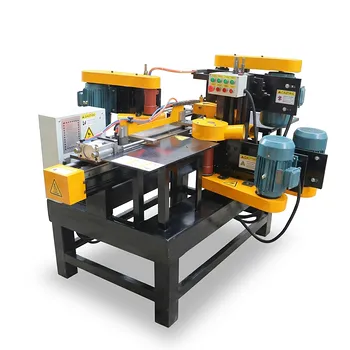
Hive-making machinery, harvesting tools, filtration systems, and post-processing equipment reduce the variability of manual work.
A complete equipment package can help move stingless bee production from a small sideline activity toward a standardized operation capable of supplying larger buyers and international markets, subject to regulatory compliance.
Implications for Distributors and Commercial Suppliers
The product portfolio must be broader than hive boxes
A serious stingless bee equipment program should cover the full operating cycle:
- Hive systems: modular wooden boxes, vertical hives, entrances, covers, and shelters.
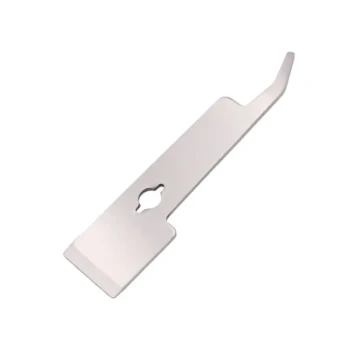
- Propagation equipment: colony-division tools, internal supports, and inspection accessories.
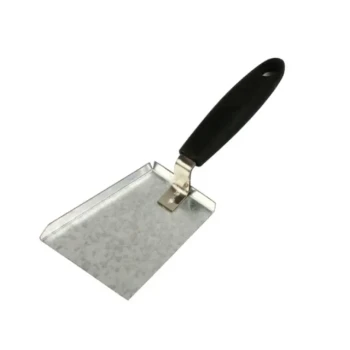
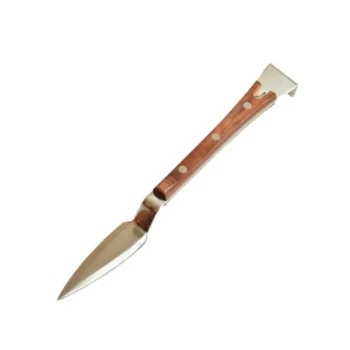
- Harvesting tools: pot-access tools, collection containers, and colony-safe transfer equipment.
- Processing systems: filters, separators, storage vessels, and hygiene-focused post-processing equipment.
- Replacement and service items: spare parts, consumables, packaging, and maintenance support.
This one-stop approach is more valuable to commercial customers than isolated product sales because it reduces sourcing complexity and compatibility problems.
Technical guidance is part of the offering
Species, climate, hive dimensions, crop type, and harvest method all affect equipment selection.
Distributors that provide professional consultation, rapid responses, and clear compatibility guidance can help customers avoid purchasing conventional honeybee equipment that will not perform well in stingless bee operations.
Delivery reliability affects commercial performance
Propagation programs depend on synchronized access to hives, tools, and processing equipment. Delays can disrupt colony multiplication, flowering-window deployment, and harvest schedules.
For B2B buyers, dependable inventory, efficient fulfillment, and responsive customer service are therefore operational benefits—not merely purchasing conveniences.
Understanding the Trade-offs
Initial equipment costs may be higher
Specialized hive boxes, propagation tools, and extraction systems can require a greater initial investment than basic conventional beekeeping equipment.
The business case depends on colony productivity, pollination contracts, product prices, labor efficiency, and the ability to maintain colony health. A higher equipment cost is justified only when the operation has a clear route to utilization and revenue.
Conventional equipment may be cheaper but unsuitable
Using standard honeybee frames, extractors, or rough manual methods may appear economical at first.
However, poor equipment fit can damage cerumen pots, contaminate products, reduce recovery rates, and stress colonies. The relevant comparison is not purchase price alone, but total operating cost and product quality.
Native does not mean risk-free
Native stingless bees still require suitable forage, protection from predators and pesticides, correct thermal conditions, and careful colony management.
Operators should avoid assuming that local species can be placed anywhere without adaptation. Hive design and shelter must reflect the species and the production environment.
Product claims require discipline
Stingless bee honey and propolis may command premium prices, but commercial claims about medicinal benefits must be supported by evidence and meet local food, health, and labeling requirements.
Quality control, filtration, storage, and traceability are essential if products are to move beyond informal local sales.
How to Apply This to Your Project
The best approach is to plan the propagation system and the equipment package together rather than adding specialized tools after colonies are already established.
- If your primary focus is crop pollination: Prioritize transportable modular hives, sheltered structures, secure entrances, and colony-protection features for deployment during critical flowering periods.
- If your primary focus is premium honey and propolis: Invest in colony-safe harvesting tools, dedicated filtration, separation, hygienic storage, and product-quality controls.
- If your primary focus is colony propagation: Select modular hive boxes and division tools that support repeatable colony multiplication with minimal nest disturbance.
- If your primary focus is supplying commercial beekeepers: Build a full-spectrum product portfolio backed by technical guidance, spare parts, rapid response, and reliable fulfillment.
- If your primary focus is scalable export production: Standardize hive construction, harvesting, processing, documentation, and quality-control procedures from the beginning.
Native stingless bee propagation becomes commercially strongest when specialized biology, pollination demand, premium products, and complete equipment support are managed as one integrated business system.
Summary Table:
| Benefit | Equipment Implication |
|---|---|
| Reliable local pollination | Transportable modular hives with secure entrances |
| Premium honey and propolis | Non-disruptive harvesting and filtration systems |
| Colony resilience | Purpose-built wooden hives (e.g., 20×20×20 cm) with controlled entrances |
| Product diversification | Separate processing for honey, pollen, and propolis |
| Scalability | Standardized hive-making and processing machinery |
| Equipment Category | Examples |
|---|---|
| Hive systems | Modular wooden boxes, vertical hives, entrances, covers, shelters |
| Propagation equipment | Colony-division tools, internal supports, inspection accessories |
| Harvesting tools | Pot-access tools, collection containers, colony-safe transfer equipment |
| Processing systems | Filters, separators, storage vessels, hygiene-focused post-processing equipment |
| Replacement and service items | Spare parts, consumables, packaging |
Ready to build a profitable stingless bee operation? HONESTBEE offers a full-spectrum of beekeeping equipment—from specialized hives and propagation tools to processing systems—designed for commercial success. Our one-stop sourcing and rapid fulfillment ensure you get the right gear, when you need it. Partner with us to maximize your ROI and streamline your supply chain. Contact us today to discuss your requirements and get a quote!
Related Products
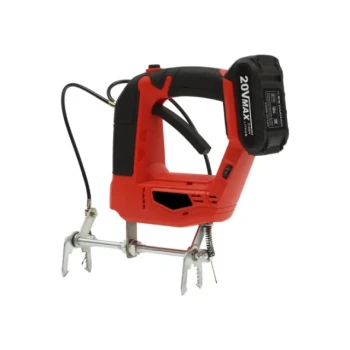
- High Performance Cordless Electric Bee Shaker for Beekeeping
- Stainless Steel Queen Grafting Tool for Beekeeping and Bee Queen Grafting
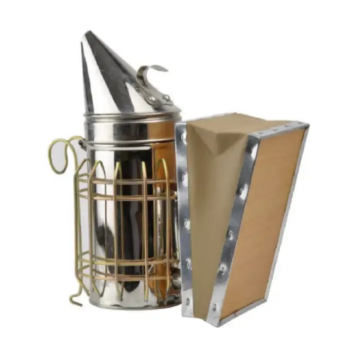
- Miniature Stainless Steel Bee Smoker for Beekeeping
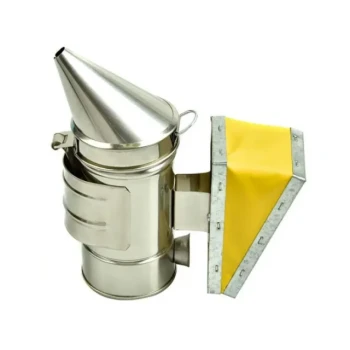
- Stainless Steel Honey Bee Smoker Hive and Honeycomb Smoker for Beekeeping
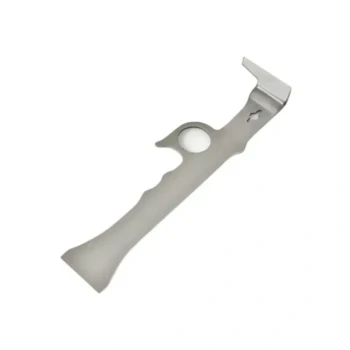
- HONESTBEE Advanced Ergonomic Stainless Steel Hive Tool for Beekeeping
People Also Ask
- Why is the use of a bee shaker and alcohol wash necessary? Master Accurate Varroa Mite Monitoring
- What role do efficient auxiliary tools play in managing labor resources? Maximize Apiary Output & Labor Efficiency
- What should be done with the bee sample after conducting a varroa mite count with a shaker? Post-Test Care Guide
- What is an electric bee smoker? A Guide to Automated Hive Management
- What is the function of a high-performance bee smoker in commercial apiary management? Maximize Safety & Efficiency