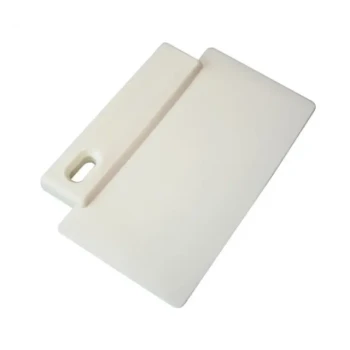
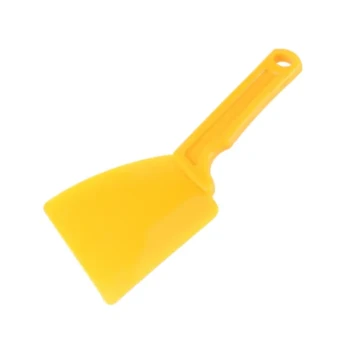
There are two primary methods used to collect bees for an alcohol wash: the tub shake technique and the direct basket scoop. Both approaches require you to first locate and isolate the queen to ensure her safety, followed by collecting approximately 300 bees (roughly a half-cup) from a frame within the brood nest.
Core Takeaway Accurate Varroa monitoring relies on sampling young nurse bees from the brood nest, as they harbor the highest concentration of mites. Regardless of the collection method used, visually identifying and isolating the queen before sampling is the single most critical step to prevent accidental loss of the colony's reproductive leader.
Prerequisites for Accurate Sampling
Before choosing a collection method, you must understand where to look and how to prepare. The accuracy of your test depends entirely on which bees you sample.
Target the Nurse Bees
You must collect young nurse bees that are actively tending to the brood.
Phoretic-state Varroa mites congregate on these bees because they are positioned near open brood. This allows the mites to easily enter a larva's cell before it is capped.
Isolate the Queen
Never begin collection until you have visually confirmed the queen's location.
If she ends up in the alcohol wash, the colony will lose her. Ideally, place the queen and her frame in a temporary nuc box during the procedure to ensure she is safe.
Method 1: The Tub Shake
This method is often preferred for its speed and the ability to quickly gather a standardized volume of bees.
The Dislodge Step
Select a frame from the brood nest and hold it over a plastic tub.
Give the frame a sharp downward shake. This mechanical force dislodges the bees, causing them to fall directly into the tub.
The Collection Step
Once the bees are in the tub, tap it against the ground or tilt it to gather the bees into one corner.
Use a half-cup measuring scoop to collect the bees from this cluster. This volume typically equates to the standard 300-bee sample size required for statistical accuracy.
Method 2: The Direct Scoop
This method requires less equipment and is performed directly on the frame, but it requires a steady hand.
The Setup
Select a frame from the brood nest, ensuring the queen has been removed or isolated elsewhere.
Take the sampler basket (the inner cylinder of your wash device) to the frame.
The Collection Action
You have two options here: gently brush the bees into the basket or slide the basket up the comb.
If sliding, move the basket upwards along the frame surface to scoop the bees. Continue until the level of bees in the basket reaches the 300-bee mark or the indicated line.
Common Pitfalls to Avoid
While the mechanics of collection are simple, small errors can lead to inaccurate data or colony damage.
Sampling the Wrong Zone
Avoid sampling from honey frames or areas far from the brood nest.
Bees in these areas have lower infestation rates. Testing them may provide a false sense of security regarding your mite levels.
The "Missing Queen" Contingency
If you cannot find the queen, you face a difficult trade-off.
The supplementary guidelines suggest using a frame away from the brood nest in this scenario to eliminate the risk of killing the queen. However, be aware that this sample will likely underestimate the mite count.
Fluid Maintenance
After the wash, pour the sampling fluid through a fine mesh strainer to remove mites and debris.
This fluid can be reused for multiple tests, but it should be replaced once it becomes murky or heavily soiled.
Making the Right Choice for Your Goal
Select the method that aligns with your equipment and your confidence in handling frames.
- If your primary focus is speed and consistency: Use the Tub Shake method, as filling a measuring cup from a pile of bees is generally faster and more precise than scooping off a frame.
- If your primary focus is minimal equipment: Use the Direct Scoop method to avoid carrying extra tubs and brushes into the apiary.
Consistently sampling the right bees is far more important than the specific mechanical method used to collect them.
Summary Table:
| Feature | The Tub Shake Method | The Direct Scoop Method |
|---|---|---|
| Equipment | Plastic tub & half-cup scoop | Sampler basket / Wash device |
| Primary Benefit | High speed & volume consistency | Minimal extra gear required |
| Best For | Commercial apiaries & large trials | Quick field checks |
| Key Action | Sharp downward shake into tub | Sliding basket upward on comb |
| Sample Size | ~300 bees (1/2 cup) | ~300 bees (marked line) |
Optimize Your Apiary Health with HONESTBEE
Efficient Varroa monitoring is the backbone of a productive honey operation. HONESTBEE empowers commercial apiaries and distributors with high-performance beekeeping tools and machinery designed for precision and scale.
From advanced honey-filling machines to durable hive-making equipment and essential industry consumables, we provide the full spectrum of hardware needed to streamline your workflow and maximize yield.
Ready to upgrade your commercial beekeeping operations? Contact us today to explore our wholesale solutions and let HONESTBEE bring industrial-grade efficiency to your business.
Related Products
- Varroa Easy Check Mite Tester Kit Counter Alcohol Wash Jar
- Langstroth Screen Bottom Board for Beekeeping Wholesale
- Compact Circular Bee Mite Treatment Dispenser
- Adjustable Formic and Acetic Acid Dispenser for Bee Mite Treatment
- Stainless Steel Pollen Shovel with Wooden Handle
People Also Ask
- What tools are utilized within an Integrated Pest Management (IPM) strategy for honeybees? Optimize Colony Health
- What is the significance of standardized detection tools in Varroa control? Data-Driven Beekeeping Strategies
- Why is surfactant added to 70% alcohol for Varroa detection? Ensure Accurate Mite Counts for Professional Beekeeping
- What is the purpose of using white filter cloth for Varroa mite screening? Enhance Detection and Accuracy
- How does a specialized Varroa mite tester with sugar powder facilitate mite diagnosis? Precise B2B Hive Health Solutions