A bee smoker is a precision tool comprised of three fundamental components: a fire chamber for housing fuel, a set of attached bellows for airflow, and a nozzle for directional release. Its function is purely mechanical; the chamber restricts oxygen to maintain a low-temperature smolder, while squeezing the bellows forces a surge of air through the fire to project a stream of smoke out through the nozzle.
The smoker’s primary goal is not just to produce smoke, but to generate cool, dense white smoke rather than hot flames. This calms the colony by masking alarm pheromones and triggering a feeding response, allowing for safe hive inspections.
The Anatomy of the Device
To understand how a smoker functions, you must understand the interplay between its specific parts.
The Fire Chamber
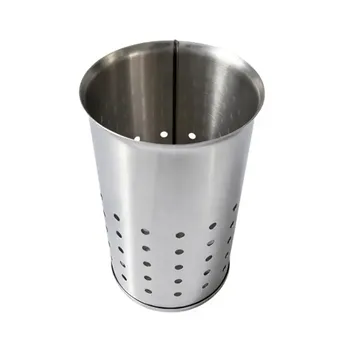
The core of the device is a metal canister, often shaped like a teapot. This chamber is designed to limit air intake naturally.
By restricting oxygen access when the bellows are idle, the chamber ensures the fuel remains lit for extended periods without burning up rapidly. Inside, there is typically a grate or false bottom to elevate the fuel, creating a space for airflow beneath the fire.
The Bellows
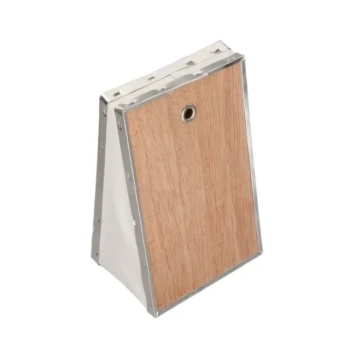
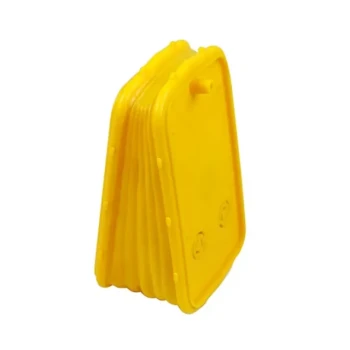
Attached to the handle or side of the canister, the bellows act as a manual air pump.
When you squeeze the bellows, you force a controlled blast of oxygen into the bottom of the fire chamber. This sudden influx of air stokes the embers momentarily, generating a fresh volume of smoke.
The Nozzle
Located at the top of the canister, the nozzle (or spout) funnels the smoke into a directed stream.
This component allows the beekeeper to aim the smoke precisely at the hive entrance or between frames. It also helps cool the smoke slightly as it travels away from the heat source before exiting.
The Mechanics of Operation
The function of a bee smoker relies on the principles of combustion and fluid dynamics.
Regulating Combustion
The device operates on a cycle of smoldering and stoking.
The restricted airflow in the canister keeps the fuel in a state of incomplete combustion, known as smoldering. This state produces the maximum amount of smoke while consuming fuel slowly.
The Airflow Cycle
When you operate the bellows, air enters the bottom of the chamber and rises through the fuel source.
This rising air picks up particulate matter (smoke) from the smoldering fuel. The pressure from the bellows then forces this mixture out through the narrow nozzle, creating a concentrated jet.
Understanding Operational Trade-offs
While simple in design, the bee smoker requires a balance of technique to function correctly without harming the hive.
Volume vs. Temperature
A common pitfall is pumping the bellows too aggressively.
While this produces a high volume of smoke, it also feeds too much oxygen to the fire, causing it to flare up. This results in hot smoke or sparks, which can singe the bees' wings or melt hive components.
Density vs. Duration
Packing the fuel too loosely allows for easy airflow and thick smoke initially, but the fuel will burn away quickly.
Conversely, packing fuel too tightly can choke the fire, causing it to extinguish due to lack of oxygen. The device functions best when fuel is packed firmly enough to slow the burn, but loosely enough to allow air passage.
Mastering the Application
To use a bee smoker effectively, you must align your technique with your specific objective for the hive inspection.
- If your primary focus is calming the bees: Ensure you produce cool, white smoke by using slow-burning fuels like cardboard or dry leaves, avoiding hot blasts.
- If your primary focus is equipment longevity: Clean the fire chamber and grate regularly to prevent resin buildup that restricts airflow and makes the bellows harder to operate.
- If your primary focus is safety: Always extinguish the smoker completely after use to prevent accidental fires, as the insulated chamber can keep embers hot for hours.
Correctly operating a bee smoker transforms a potentially volatile hive inspection into a controlled, manageable procedure.
Summary Table:
| Component | Primary Function | Key Design Feature |
|---|---|---|
| Fire Chamber | Houses fuel and limits oxygen | Metal canister with a grate to elevate fuel |
| Bellows | Acts as a manual air pump | Side-mounted for controlled oxygen blasts |
| Nozzle | Directs and cools smoke output | Tapered spout for precise application and aim |
| Internal Grate | Creates airflow space | False bottom to prevent fuel from choking the air intake |
Elevate Your Beekeeping Operation with HONESTBEE
At HONESTBEE, we understand that professional beekeeping requires precision tools that perform under pressure. Whether you are managing a large-scale commercial apiary or acting as a regional distributor, we provide the high-quality equipment you need to succeed. Our comprehensive wholesale catalog includes:
- Professional Hardware: Durable bee smokers, hive-making machinery, and precision honey-filling systems.
- Essential Consumables: High-grade fuel, hive components, and specialized tools for daily maintenance.
- Merchandise & Culture: Unique honey-themed cultural products to expand your retail offerings.
Partner with the industry experts. Let HONESTBEE streamline your supply chain with reliable equipment and competitive wholesale pricing.
Contact Us Today to Request a Quote
Related Products
- Stainless Steel Honey Bee Smoker Hive and Honeycomb Smoker for Beekeeping
- Professional Bee Smoker with Elongated Spout and Durable Bellows for Beekeeping
- Heavy-Duty Bee Smoker with Durable Plastic Bellows for Beekeeping
- Professional Replacement Bee Smoker Bellows for Beekeeping Equipment
- Miniature Stainless Steel Bee Smoker for Beekeeping
People Also Ask
- What are bee smokers made out of? Choose the Right Material for Your Apiary
- What type of bee smoker is recommended for a beginner? Top Picks for Easy Hive Management
- Why is a stainless steel bee smoker considered indispensable? Master Hive Management with Cool Smoke Technology
- Why is a specialized bee smoker considered a critical tool for apiary safety? Master Hive Control & Productivity
- When should you add more fuel to the bee smoker? Watch for This Critical Smoke Signal