Marking a queen bee is a delicate operation where the margin for error is slim. The most critical precautions are to avoid crushing the queen during capture and to ensure paint is applied strictly to the top center of her thorax. You must prevent paint from touching her antennae, eyes, wings, or any other body part, as this can lead to the colony rejecting and killing her.
Core Takeaway The goal of marking is identification without interference. If paint obstructs the queen's sensory organs or if she is physically injured during the process, the hive will likely view her as defective and supersede (replace) her.
Anatomy and Application Precision
Target the Thorax Only
The paint must be applied exclusively to the top center of the thorax. This is the hard, upper section of the body between the head and the abdomen.
Avoid Sensory Organs
You must exercise extreme caution to keep paint away from the antennae, eyes, and wings. The queen relies on these for communication and navigation within the hive. Obstructing them compromises her utility.
Risk of Rejection
If the queen is painted incorrectly—covering her scent or sensory organs—the worker bees may no longer recognize her as their queen. This often triggers a "balling" response, where workers surround and kill her.
Handling and Restraint
Prevent Physical Injury
The most immediate physical danger to the queen is crushing her during capture or restraint. She is larger than workers but still fragile. Whether using tools or hands, apply the absolute minimum pressure necessary to keep her still.
Use the Right Tools
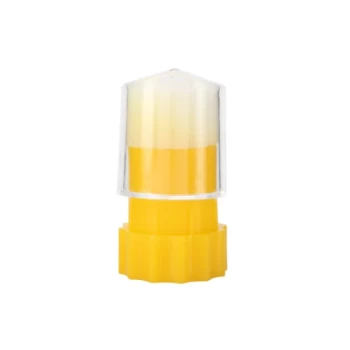
For most beekeepers, especially those gaining experience, using specific marking tools significantly reduces the risk of injury.
- Plunger Tubes: These clear tubes use a soft foam plunger to gently immobilize the queen against a screen.
- Push-in Cages: These allow you to trap the queen directly on the comb, eliminating the need to pick her up.
Manual Handling Precautions
If you choose to handle the queen by hand, never grasp her by the abdomen, as this can damage her reproductive organs. The standard method involves grasping her wings initially, then securing her by the legs to keep her stationary for marking.
Process and Timing
Practice on Drones
Before attempting to mark a queen, practice the capture and marking technique on drones (male bees). They do not sting, and they are disposable to the hive, making them a safe test subject to build your confidence and dexterity.
Allow Drying Time
Once marked, do not release the queen immediately. Hold her gently (or keep her in the tool) for 30 seconds to one minute. This ensures the paint dries and does not smear or get cleaned off by attendant bees immediately upon her return.
Proper Release
Always return the queen to the same frame she was taken from. This maintains continuity in her pheromone trail and reduces stress on the colony.
Common Pitfalls to Avoid
Over-Inking
When using a paint pen or brush, ensure it is not overloaded with paint. A large droplet can run down the thorax and glue the wings to the body or cover the spiracles (breathing holes), which is fatal. Use minimal pressure to apply a small, distinct dot.
The Trade-off of Hand vs. Tool
Handling a queen by hand is faster but carries a high risk of crushing her or damaging her legs if you are inexperienced. Using a tool (like a plunger cage) takes more time but offers a controlled environment that significantly lowers the risk of physical trauma.
Making the Right Choice for Your Goal
- If your primary focus is safety and minimizing risk: Use a foam plunger marking tube. It secures the queen gently without requiring you to touch her directly, preventing crushing injuries.
- If your primary focus is mastering manual technique: Practice catching and marking drones first until you can consistently apply small dots without getting paint on their wings or heads.
Success lies in patience. A marked queen is valuable for tracking age and supersedure, but a live, unmarked queen is infinitely better than a dead, marked one.
Summary Table:
| Precaution Category | Key Action | Critical Risk to Avoid |
|---|---|---|
| Application Site | Apply paint only to the top center of the thorax. | Obstructing antennae, eyes, or wings (leads to rejection). |
| Physical Handling | Use minimal pressure; handle by wings or legs. | Crushing the queen or damaging reproductive organs (abdomen). |
| Tool Selection | Use plunger tubes or push-in cages for stability. | Manual handling errors by inexperienced beekeepers. |
| Drying & Release | Wait 30-60 seconds before releasing to the same frame. | Smearing paint or triggering worker bee "balling" response. |
| Skill Building | Practice marking techniques on drones first. | Fatal mistakes on the valuable queen bee. |
Scale Your Apiary with Professional-Grade Equipment
At HONESTBEE, we understand that the margin for error in commercial beekeeping is slim. Whether you are a large-scale commercial apiary or a distributor, we provide the precision tools you need to succeed. From queen marking supplies and specialized beekeeping hardware to advanced honey-filling machines and hive-making equipment, our comprehensive wholesale portfolio is designed to enhance your operational efficiency.
Ready to elevate your beekeeping business? Contact us today to explore our full spectrum of tools and industry consumables and discover the value of a partnership built on quality and expertise.
Related Products
- Queen Bee Marking Pen POSCA Queen Marking Pens for Beekeeping Bee Markers
- Queen Bee Marking Pen UNI Medium Point for Queen and Bee Marking
- Plastic Long Marker Device for Catching and Marking Bees Queen Bee Marking Tube and Cage
- Queen Bee Marking Tube Cage Bottle Catcher Holder with Clear Plastic Plunger Marker
- One Hand Yellow Queen Marking Catcher Tube Cage Beekeeper Tool Accessory for Queen Bee
People Also Ask
- What role do specialized marking pens and color-coding systems play in honeybee tracking? Enhance Research Precision
- Why are specialized marking pens used for stingless bee queens? Essential Tools for Large-Scale Breeding Success
- How should a new paint pen be primed before marking a queen bee? Essential Tips for Safe & Clear Markings
- How should a queen bee marking pen tip be properly primed? Master the Art of Safe Queen Marking
- What specifications are required for a high-quality queen bee marking pen? Ensure Safety and Precision for Your Colony