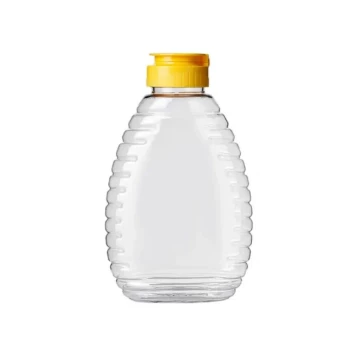
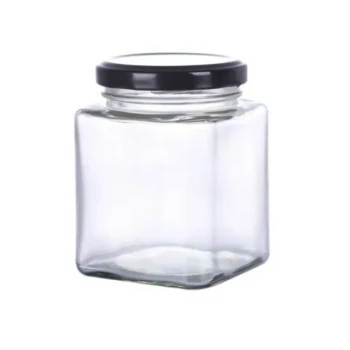
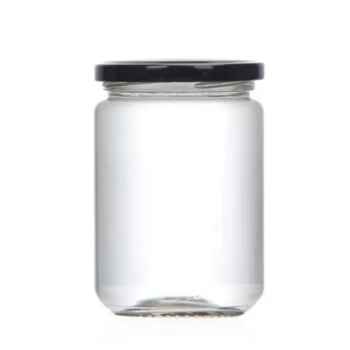
To maintain product integrity, honey storage containers must be strictly food-grade and possess a high-performance airtight seal. Honey is a hygroscopic substance, meaning it actively pulls moisture from the air. A proper container acts as a critical barrier, preventing moisture absorption that leads to fermentation while simultaneously isolating the product from environmental odors that can alter its natural flavor profile.
The biological stability of honey relies entirely on controlling its environment. Without an impermeable seal, honey will absorb atmospheric moisture until it reaches a critical threshold where yeast fermentation begins, irreversibly spoiling the product.
The Core Function: Barrier Integrity
The primary role of a honey container is not merely to hold the liquid, but to isolate it chemically and physically from the outside world.
Combating Hygroscopy
Honey is highly hygroscopic, meaning its moisture content fluctuates based on the relative humidity of the surrounding air. If the container seal is compromised, the honey will draw in water vapor.
Excess moisture lowers the sugar concentration, creating an environment where natural yeasts can thrive. This leads to fermentation, souring, and spoilage, destroying the honey's shelf life.
Isolating External Odors
Honey easily absorbs strong scents from its environment. A container with poor sealing properties will allow external odors to penetrate the product.
To preserve the specific floral aroma and natural flavor nuances, the container must provide complete olfactory isolation. This ensures the sensory characteristics remain true to the harvest source.
Material Standards and Purity
Beyond the seal, the material composition of the container is vital for maintaining chemical stability.
Food-Grade Certification
Containers must be explicitly certified as food-grade. This ensures the material does not release harmful substances into the honey.
Using non-food-grade containers introduces the risk of chemical leaching, which compromises the safety and traceability of the product in commercial markets.
Chemical Inertness
The container material must be chemically inert to avoid reacting with the honey's natural acids. This is critical for preserving the honey's medicinal value and enzyme activity.
Glass and high-quality food-grade plastics are the standard because they do not alter the honey's composition. In laboratory settings, sterile glass is required to prevent secondary contamination during quality testing.
Understanding the Trade-offs
Choosing the right container often involves balancing durability against chemical neutrality.
Glass Containers
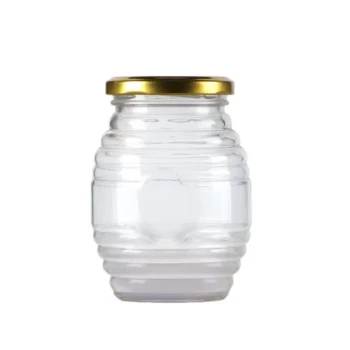
The Pro: Glass is the superior choice for chemical stability. It is completely impermeable and inert, meaning it will never impart flavors or react with the honey, making it ideal for long-term storage or sampling.
The Con: Glass is heavy and fragile. It presents significant logistical challenges and breakage risks during transport, particularly for large commercial volumes.
Plastic Containers
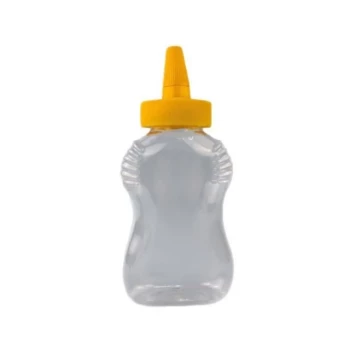
The Pro: High-quality food-grade plastic is durable, lightweight, and cost-effective. It is the practical standard for bulk transport and commercial processing where handling efficiency is key.
The Con: Not all plastics are created equal. Lower-quality plastics may not offer the same absolute barrier protection as glass over extended periods, potentially allowing minute levels of oxidation or moisture transfer if not rigorously specified.
Making the Right Choice for Your Goal
Select your storage solution based on the specific stage of the honey's lifecycle.
- If your primary focus is long-term quality or laboratory analysis: Prioritize sterile glass containers to ensure absolute chemical inertness and zero flavor transfer.
- If your primary focus is commercial transport and logistics: Prioritize food-grade plastic containers with certified airtight seals to balance durability with moisture protection.
The quality of your honey is only as good as the container that protects it from the elements.
Summary Table:
| Feature | Glass Containers | Food-Grade Plastic |
|---|---|---|
| Chemical Stability | Superior (Inert) | High (Standard Quality) |
| Moisture Barrier | Absolute Seal | Dependent on Seal Quality |
| Durability | Low (Fragile) | High (Impact Resistant) |
| Weight | Heavy | Lightweight |
| Best Use Case | Long-term storage & Lab sampling | Commercial transport & Bulk logistics |
Secure Your Harvest with Professional-Grade Solutions
Preserving the delicate floral notes and enzymatic integrity of your honey requires more than just a jar; it requires precision-engineered storage. HONESTBEE understands the unique challenges faced by commercial apiaries and distributors. We provide a comprehensive range of beekeeping tools, specialized machinery, and high-performance consumables designed to maintain the highest product standards.
Whether you need specialized honey-filling machines for high-volume production or reliable wholesale hardware to scale your operations, we deliver the quality you need to succeed. Our team is dedicated to supporting your growth with everything from essential hive components to honey-themed cultural merchandise.
Ready to optimize your production and storage? Contact HONESTBEE today to discuss how our professional equipment can enhance your honey quality and operational efficiency!
References
- Teklu Gebretsadik, Dinku Negash. Honeybee Production System, Challenges And Opportunities In Selected Districts Of Gedeo Zone, Southern Nation, Nationalities And Peoples Regional State, Ethiopia. DOI: 10.5281/zenodo.846641
This article is also based on technical information from HonestBee Knowledge Base .
Related Products
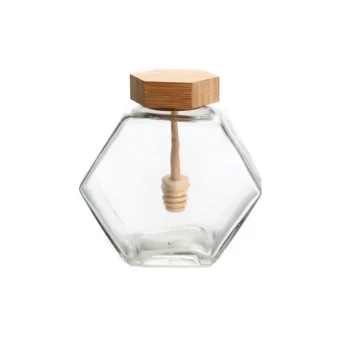
- Hexagonal Glass Honey Jar with Wooden Lid Integrated Dipper Elegant Functional Storage
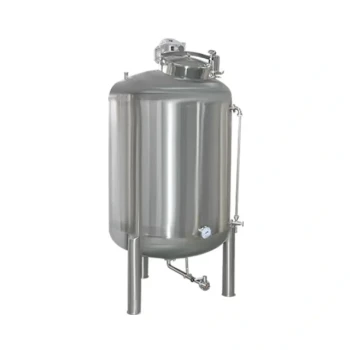
- Stainless Steel Honey Storage Tank with Lid for Honey
- Stainless Steel Honey Storage and Settling Tank with Double Strainer
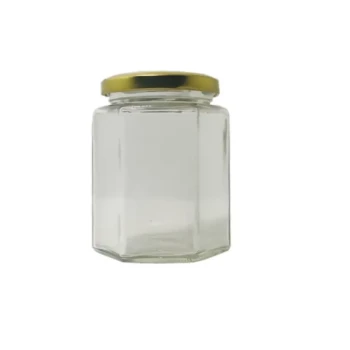
- Hexagonal Glass Honey Jars with Metal Lug Caps Elegant Versatile Packaging
- Professional Honey Storage Tank with Agitation System
People Also Ask
- What are the benefits of glass jars regarding strength and safety for storing honey? Ensure Purity and Long-Term Quality
- What are the advantages of using glass jars for honey storage? Ensure Purity and Premium Appeal for Your Product
- What is the aesthetic appeal of using glass jars for honey? Elevate Your Brand with Premium Packaging
- What are the advantages of glass containers for honey? Elevate Quality and Market Value with Premium Packaging
- What are the benefits of using high-transparency Glass Jars for honey? Elevate Purity and Premium Branding