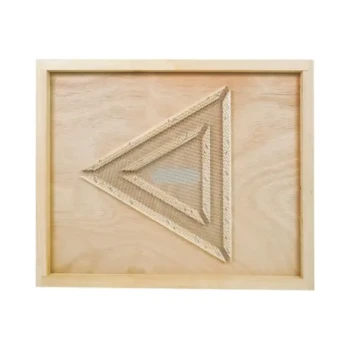
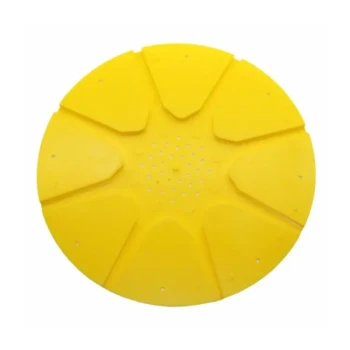
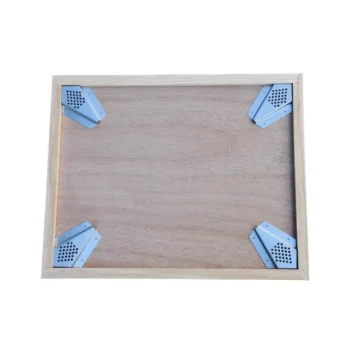
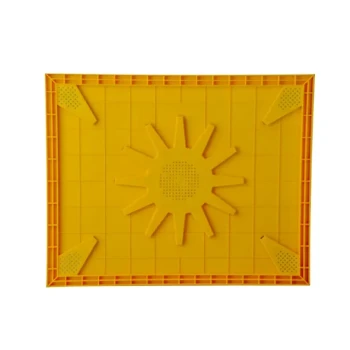
Beehive bottom board traps function as precise mechanical filtration systems. Installed directly at the hive entrance, these devices are designed to physically separate Small Hive Beetles (SHB) from the colony without the use of chemical pesticides. They operate by forcing beetles through a specific physical geometry—typically grids or holes—that guides them into a contained collection area while the bees remain in the main hive body.
The fundamental principle of bottom board trap design is the strategic exploitation of the beetle's defensive behavior. These devices leverage the pest's natural instinct to hide from bee attacks, using it to drive them into a mechanical isolation system.
The Mechanics of Physical Exclusion
Exploiting Defensive Instincts
The primary design driver for these traps is behavioral manipulation.
When Small Hive Beetles enter a hive, they are often harassed by guard bees. The beetles naturally seek refuge to escape these attacks.
Bottom board traps are designed to look like "safe harbors" to the beetle. By offering a dark, accessible space below the bees, the trap lures the beetle away from the comb and brood.
Precision Grid Filtration
The effectiveness of the trap relies on size-selective filtration.
The traps utilize a grid, mesh, or series of holes with precise dimensions. These openings are large enough to allow beetles to pass through but are positioned or sized to exclude the larger honey bees.
This physical barrier creates a one-way filtration system. Once the beetle passes through the grid seeking safety, it is effectively removed from the colony's active space.
The Collection Trough
The final component of the design is the containment vessel.
Once the beetle passes through the filtration grid, it falls or walks into a collection trough. This trough isolates the pest, preventing it from returning to the hive to reproduce or damage honey stores.
Structural Advantages Over Traditional Floors
Eliminating Refuge Points
Traditional solid wood bottom boards often inadvertently aid the beetle.
Solid floors provide numerous cracks and crevices where beetles can hide safely from bees while remaining inside the hive. This allows them to regroup and eventually infest the comb.
Traps and screened bottom board designs modify the physical structure of the hive floor to eliminate these natural refuge points.
Debris and Pest Isolation
Modern bottom board designs often incorporate a mesh or tray structure that improves overall hive hygiene.
By creating a permeable floor, these designs allow not only beetles but also general debris (frass and varroa mites) to fall out of the active colony area.
This isolation prevents beetles from utilizing bottom board debris as a breeding ground or food source.
Understanding the Trade-offs
Passive vs. Active Control
It is important to recognize that bottom board traps are passive reduction tools, not active eradication devices.
They rely on the beetle entering the trap voluntarily or being corralled by bees. They do not actively hunt the beetles or kill larvae that may have already hatched in the upper supers.
Maintenance Requirements
Mechanical traps introduce a requirement for regular physical maintenance.
Unlike a solid board, the collection troughs or trays must be monitored and cleaned to ensure they remain effective and do not become filled with debris, which could bridge the gap back to the colony.
Making the Right Choice for Your Goal
When selecting or designing a bottom board strategy, consider your specific apiary objectives:
- If your primary focus is Chemical-Free Management: Prioritize traps with high-precision grids that maximize beetle capture rates without requiring pesticides.
- If your primary focus is Hive Hygiene: Ensure the design includes a full-screen mesh that allows all hive debris to fall through, removing potential breeding material for pests.
By integrating mechanical separation into the hive's architecture, you establish a permanent, non-toxic defense line that works continuously to lower pest pressure.
Summary Table:
| Design Component | Functional Principle | Primary Benefit |
|---|---|---|
| Precision Grid/Mesh | Size-selective filtration | Allows beetles to pass while excluding honey bees. |
| Collection Trough | Physical isolation | Traps beetles in a contained area, preventing hive re-entry. |
| Behavioral Lure | Defensive exploitation | Uses beetle's hiding instinct to drive them into the trap. |
| Permeable Floor | Hygiene & debris management | Removes frass and mites, eliminating pest breeding grounds. |
Secure Your Apiary with Professional-Grade Solutions
At HONESTBEE, we understand that effective pest management is the backbone of a successful beekeeping operation. As a leading partner for commercial apiaries and distributors, we provide more than just tools—we deliver comprehensive wholesale solutions. From high-precision beehive bottom board traps and hive-making machinery to essential industry consumables and honey-themed cultural merchandise, our portfolio is designed to scale your business.
Why partner with HONESTBEE?
- Comprehensive Wholesale Range: Access the full spectrum of beekeeping hardware and equipment.
- Industry Expertise: Benefit from machinery and tools engineered for professional efficiency.
- Dedicated Support: We cater specifically to the needs of large-scale distributors and commercial keepers.
Ready to enhance your product lineup or optimize your commercial hive management? Contact us today to discuss your wholesale requirements!
References
- J. T. Ngor, Seyi Ebun Adeboye. The Impact of Aethina tumida Infestation on Apis mellifera Colonies: A Review of Control Measures and Future Prospects. DOI: 10.22161/ijeab.105.15
This article is also based on technical information from HonestBee Knowledge Base .
Related Products
- Langstroth Solid Bottom Board for Beekeeping
- Solid Bottom Board Australian Pine Wood Langstroth Bottom Board for Wholesale
- Black Plastic Beetle Barn Hive Beetle Trap for Beehives
- Langstroth Screen Bottom Board for Beekeeping Wholesale
- Reusable Clear Small Hive Beetle Traps for Beehives Beetle Trapping Tools
People Also Ask
- What are the functions of solid bottom boards for a beehive? Essential Thermal Protection and Winter Survival Tips
- What is the purpose of a solid bottom board for bee hives? Enhance Hive Health and Winter Survival
- How does climate influence the choice between a solid and screened bottom board? Optimize Your Hive for Local Weather
- What is the primary function of a bottom board in a modern modified beehive system? Essential Foundation Guide
- What are the characteristics of a solid bottom board for a beehive? Boost Colony Health and Thermal Insulation