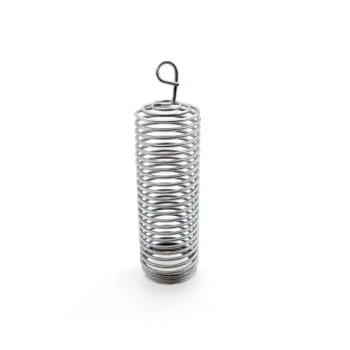
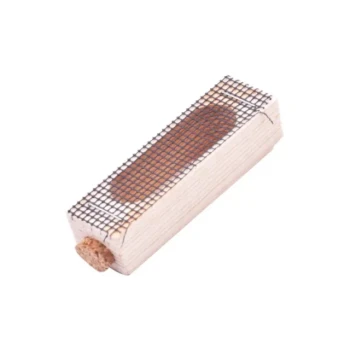
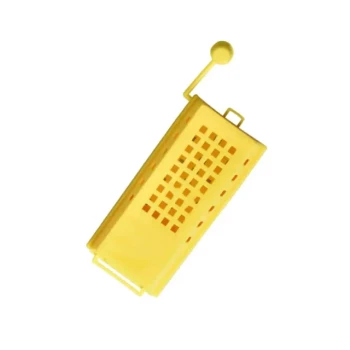
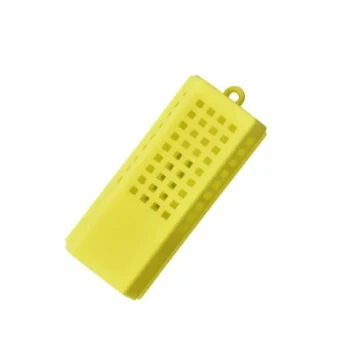
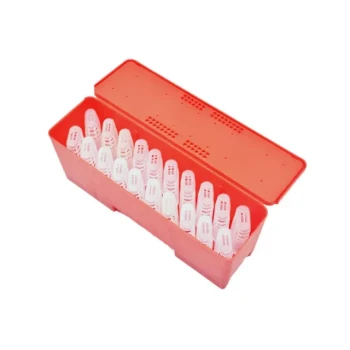
The primary differences between queen cages in banking systems lie in their materials, ventilation properties, and release mechanisms. The three most common variations are plastic ventilated cages for durability and airflow, small wooden mini cages for high-density storage, and traditional three-hole wooden cages designed for controlled release via candy plugs.
Core Insight:
While material and size are obvious differences, the choice of cage fundamentally dictates the architecture of your banking system. You cannot view the cage in isolation; selecting a specific cage type requires committing to a custom banking frame designed specifically to hold that unit.
Analyzing Cage Architecture
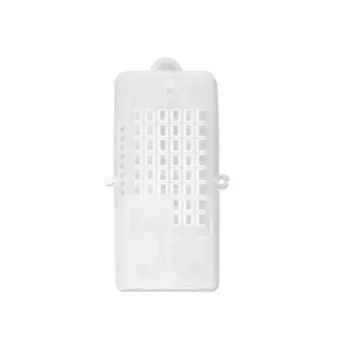
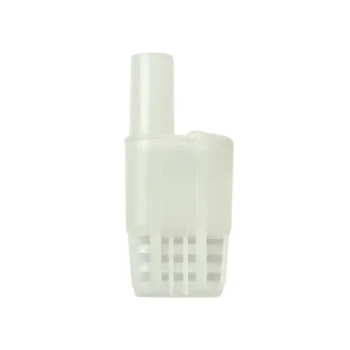
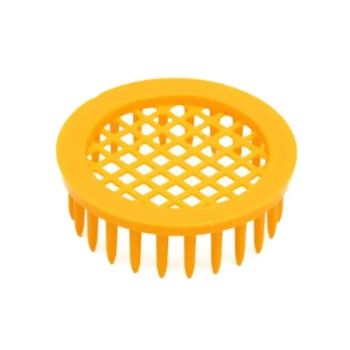
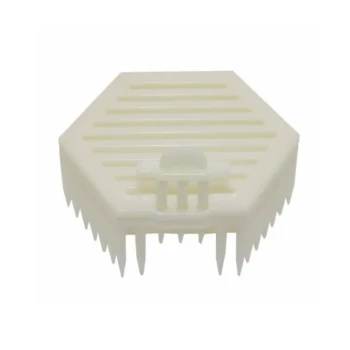
Plastic Ventilated Cages
These cages are engineered with a focus on durability and environmental control.
Airflow and Durability Plastic cages typically feature extensive venting. This offers ample airflow, which is critical for maintaining queen health during banking periods where heat or stagnation can be detrimental.
Handling The rigid construction makes these cages easy to handle. They generally resist the wear and tear that can affect wooden components over time, making them a reusable option for long-term banking.
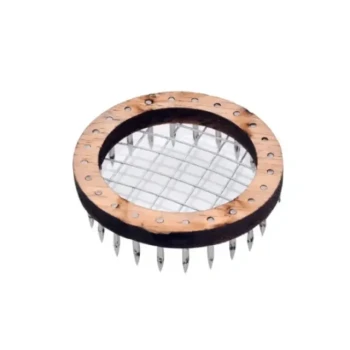
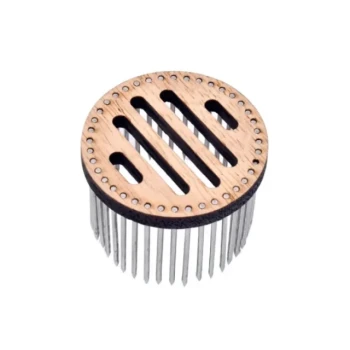
Small Wooden Mini Cages
When space efficiency is the priority, the small wooden mini cage is the standard choice.
Maximizing Density These cages utilize a wire mesh face rather than solid walls or bulky plastic frames. This minimalist design reduces the footprint of each individual unit.
Efficient Space Utilization Because of their reduced size, these cages allow beekeepers to bank a higher volume of queens within a single frame. This is ideal for large-scale operations where maximizing the utility of every banking frame is necessary.
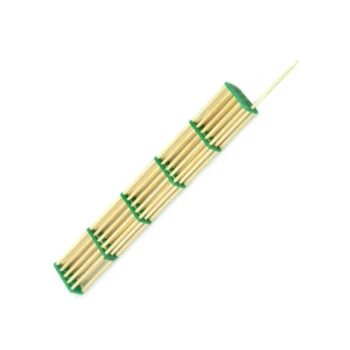
Traditional Three-Hole Wooden Cages
These are the industry standard for scenarios requiring precise introduction protocols.
Controlled Release Mechanisms The defining feature of the three-hole cage is its method of release. It utilizes candy or cork plugs to block the exit.
Gradual Introduction This design allows for a timed release. As the worker bees consume the candy plug, the queen is slowly introduced to the colony, reducing aggression and increasing acceptance rates compared to immediate release methods.
The Systemic Impact on Frame Design
The Constraint of Compatibility
You cannot swap cage types without addressing the supporting infrastructure. The choice of cage dictates the design of the custom banking frame.
Custom Fit Requirements
A frame built to hold traditional three-hole cages will generally not accommodate small wooden mini cages or plastic variants securely. The banking frame must be custom-built to match the dimensions and securing mechanisms of the specific cage selected.
Understanding the Trade-offs
Density vs. Release Control
If you choose small wooden mini cages, you gain the ability to bank more queens per frame (high density). However, you generally sacrifice the built-in, slow-release candy mechanism found in the larger three-hole cages.
Durability vs. Tradition
Plastic cages offer superior consistency and are easier to clean and reuse than wood. However, wooden cages (both mini and three-hole) often interact more naturally with the bees' tendency to propolize surfaces, which some beekeepers prefer for specific handling preferences.
Making the Right Choice for Your Goal
Selecting the right cage is about aligning the hardware with your operational priorities.
- If your primary focus is maximizing capacity: Choose the small wooden mini cage to utilize space efficiently and fit the most queens into a single banking frame.
- If your primary focus is queen health and airflow: Choose the plastic ventilated cage to ensure maximum ventilation and ease of handling during transport or inspections.
- If your primary focus is safe introduction: Choose the traditional three-hole wooden cage to leverage the candy plug system for a controlled, gradual release.
Success in queen banking comes from matching the cage's mechanical features to the specific demands of your apiary's workflow.
Summary Table:
| Cage Type | Primary Material | Key Benefit | Release Mechanism | Banking Density |
|---|---|---|---|---|
| Plastic Ventilated | Durable Plastic | Superior Airflow & Reusability | Direct / Manual | Medium |
| Small Wooden Mini | Wood & Wire Mesh | High-Volume Storage | Manual | High |
| Three-Hole Wooden | Traditional Wood | Controlled Introduction | Candy/Cork Plug | Low |
Elevate Your Apiary’s Productivity with HONESTBEE
Choosing the right queen banking system is a critical decision for commercial apiaries and distributors. At HONESTBEE, we understand that precision matters. We provide a comprehensive range of professional beekeeping tools, from specialized queen banking frames and cages to advanced honey-processing machinery.
Whether you are looking to maximize storage density or ensure safe queen introductions, our wholesale solutions are designed to support your business growth. We supply everything from essential consumables to honey-themed cultural merchandise to help you stand out in the market.
Ready to scale your operation? Contact us today to discuss our wholesale offerings and discover how our expertise can streamline your beekeeping workflow.
Related Products
- Durable Galvanized Steel Spring Queen Bee Cage
- Classic Wooden and Mesh California Queen Cage
- Professional Queen Bee Introduction and Transport Cage
- Professional Queen Cage with Sliding Gate and Feeder Plug
- Professional Multi-Compartment Queen Cage with Sliding Lid
People Also Ask
- Why are specialized queen bee cages used for the banking of mated queen bees? Maximize Commercial Apiary Storage Efficiency
- What is the mechanism of action for using temporary queen bee cages? Master Successful Queen Introduction
- What is the step-by-step process for installing a queen bee's cage onto a frame? Ensure Hive Acceptance Safely
- What is the optimal placement for a queen bee cage? Essential Strategies for Successful Re-queening
- What are the advantages and disadvantages of introducing a queen bee by embedding the cage? Boost Your Queen Acceptance