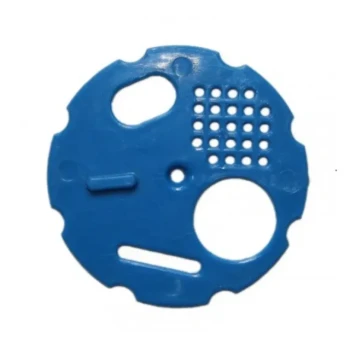
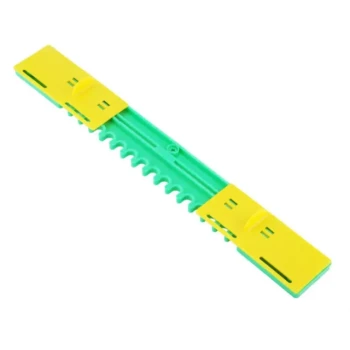
The most common entrance reducers are simple wooden blocks featuring two distinct notch sizes to adjust the opening width. Beyond these standard options, beekeepers also utilize metal or plastic guards, rotatable discs with specialized settings, and even improvised materials like sticks or rags for immediate, short-term solutions.
While materials vary from wood to plastic, the primary purpose of any entrance reducer is to manage hive access—helping the colony defend against robbers and retain vital heat during cold spells.
Standard Entrance Reducers
Wooden Blocks
The wooden reducer is the standard for most hives. It is typically designed with two different-sized notches, allowing the beekeeper to select a larger or smaller opening depending on the season and colony strength.
Metal and Plastic Options
Similar to wooden blocks, metal and plastic reducers are widely available. These serve the same fundamental purpose of narrowing the hive entrance but offer different durability and maintenance characteristics compared to wood.
Advanced and Rotatable Options
Disc Entrance Reducers
For beekeepers requiring more versatility, the disc entrance reducer is a round, rotatable device. It allows you to cycle through various settings without removing the hardware.
Multiple Disc Settings
These discs typically offer four distinct positions: a fully open entrance, a queen-excluding entrance, a setting that is closed but ventilated, and a very small opening designed to admit only one or two bees at a time.
Emergency Solutions
Improvised Reducers
In urgent situations where standard equipment is unavailable, beekeepers often resort to improvised reducers. Common materials used "in a pinch" include sticks or rags stuffed into the entrance to temporarily restrict flow.
Understanding the Trade-offs
Balancing Heat and Ventilation
Entrance reducers are essential tools for minimizing heat loss during the coldest months. However, they restrict airflow, which can become dangerous if left in place when temperatures rise.
Defense vs. Access
While narrowing the entrance makes it difficult for hive robbers and other intruders to enter, it can create congestion for your own foragers during heavy nectar flows.
Seasonal Timing
A critical mistake is leaving a reducer on too long. A practical guideline is the "light sweater rule": if the outdoor temperature is comfortable enough for you to wear just a light sweater, the reducer should likely be removed to prevent overheating.
Making the Right Choice for Your Goal
Selecting the right reducer depends on the specific threat level and the versatility you require for your hive management style.
- If your primary focus is standard seasonal management: The wooden block is the reliable choice, offering simple adjustment between two sizes for winter warmth or robber defense.
- If your primary focus is versatility and queen control: The disc entrance reducer is superior, as it allows you to switch between ventilation, queen exclusion, and total closure instantly.
- If your primary focus is immediate emergency defense: Use improvised materials like sticks or rags to instantly narrow the gap until proper equipment can be installed.
Effective hive management relies not just on having the tool, but on knowing exactly when to remove it to allow your colony to thrive.
Summary Table:
| Reducer Type | Material | Key Features | Best Use Case |
|---|---|---|---|
| Standard Block | Wood | Two notch sizes (small/medium) | Seasonal management & winter insulation |
| Rotatable Disc | Plastic/Metal | Multiple settings (Excluder, Vent, Closed) | Versatile control & queen management |
| Metal/Plastic Guard | Metal/Plastic | High durability, easy to clean | Long-term use & pest prevention |
| Improvised | Sticks/Rags | Immediate installation | Emergency robber defense |
Scale Your Beekeeping Operation with HONESTBEE
Are you looking to supply your commercial apiary or distribution network with high-quality hive components? HONESTBEE is your premier partner for professional-grade beekeeping solutions. We specialize in catering to large-scale operations and distributors by offering a comprehensive wholesale range, including:
- Durable Hive Hardware: From precision-engineered entrance reducers to advanced hive-making machinery.
- Specialized Equipment: High-capacity honey-filling machines and commercial processing tools.
- Essential Consumables: A full spectrum of industry-standard supplies to keep colonies thriving.
- Brand Growth: Enhance your retail presence with our honey-themed cultural merchandise.
Partner with an industry leader committed to your success. Contact HONESTBEE today to discuss our wholesale pricing and how our extensive portfolio can streamline your beekeeping business.
Related Products
- Steel Round Disc Entrance Reducer for Flexzion Bee Hive Nuc Box Gate
- Beehive Entrance Reducer Guardian Metal Hive Entrance for Bees
- HONESTBEE Entrance Bee Feeder Professional Hive Nutrition Solution for Beekeeping
- Beehive Entrance Discs Plastic Bee Entrance Disc for Bee Hives
- Professional Hive Front Entrance Bee Feeder
People Also Ask
- What is the purpose of an entrance reducer for a beehive? Strengthen Colony Defense and Prevent Robbery
- Why are entrance reducers used to counter hornet infestations? Protect Your Hive with Strategic Choke Points
- Why is it critical to maintain a smaller entrance for a newly established bee hive? Boost Colony Growth and Security
- What is the function of an entrance reducer on a beehive? Strengthen Colony Defense and Climate Control
- Under what conditions should a beekeeper adjust the size of a beehive entrance? Seasonal & Defense Management Tips