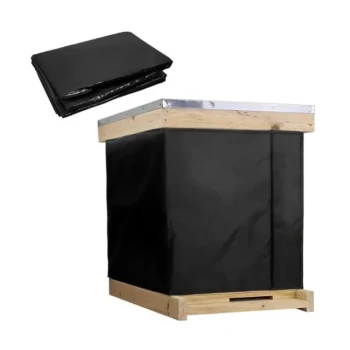
Beekeepers utilize a variety of materials to insulate hives, ranging from rigid synthetic boards to biodegradable natural fibers. The most prevalent choices include external hive wraps (such as roofing paper), rigid foam boards made of polystyrene or polyurethane, pre-fabricated "hive cozies," and loose natural materials like straw or wood shavings.
Core Insight: Effective insulation does more than just retain heat; it stabilizes the internal microclimate to protect the colony from temperature extremes. The ideal material choice requires balancing high thermal resistance (R-value) with the critical need to allow moisture to escape, preventing dangerous condensation.
Synthetic and Rigid Insulation
Foam Boards
Usually made from polystyrene or polyurethane, these boards are a popular choice due to their affordability and lightweight nature.
Beekeepers can easily cut these boards to custom sizes to fit specific hive dimensions. They are typically secured to the exterior of the hive using sturdy tape.
Commercial Hive Cozies
These are pre-made covers specifically engineered to slip over standard hive configurations.
They generally consist of an outer shell made of plastic or fabric, filled with an insulating layer of wool, polyester, or foam. Most utilize Velcro or similar fasteners for quick application and removal.
External Hive Wraps
These are panels or sheets designed to wrap around the hive body to increase the wall's R-value (thermal resistance).
Common materials include vinyl or black roofing paper. The dark color of materials like roofing paper offers the added benefit of absorbing solar heat during the day.
Natural and Eco-Friendly Materials
Loose Organic Materials
For a low-cost, biodegradable approach, beekeepers often pack straw, wood shavings, or hay around the hive.
These materials are accessible and effective at creating a thermal buffer. However, they require careful containment to remain effective.
Black Expanded Cork
This is a high-integrity option for organic honey production.
It utilizes a natural resin called suberin as a binder, eliminating synthetic chemicals. Its low thermal conductivity is excellent for slowing heat penetration and maintaining a stable internal temperature.
Wood Fiber and Sackcloth
Wood fiber is sourced from sustainably managed forests and offers strong thermal insulation, though it can be more expensive and difficult to install than foam.
Sackcloth is a natural fiber option that provides basic insulation with high breathability. It is particularly useful for absorbing moisture and regulating humidity within the hive.
Understanding the Trade-offs
The Moisture Balance
While synthetic materials like foam offer superior heat retention, they can trap moisture if not properly ventilated.
Natural materials like sackcloth excel at absorbing evaporation, which prevents cold condensation from dripping onto the bees—a common cause of winter mortality.
Pest Vulnerability
Loose natural materials, such as straw or hay, can become nesting grounds for rodents and pests.
If you choose these materials, frequent monitoring is required to ensure mice have not burrowed into the insulation layer.
Durability vs. Sustainability
Polystyrene is efficient and easy to handle, but it degrades over time and is less sustainable than organic options.
Conversely, materials like black expanded cork offer high ecological integrity but may come at a higher price point or reduced availability compared to synthetic wraps.
Making the Right Choice for Your Goal
Selecting the right insulation depends on your specific climate conditions and management philosophy.
- If your primary focus is thermal efficiency and budget: Utilize foam boards (polystyrene), as they offer the highest insulation value per dollar and are easy to customize.
- If your primary focus is ease of use and speed: Choose hive cozies, which are pre-fabricated for standard hives and can be installed or removed in seconds.
- If your primary focus is organic or sustainable management: Opt for black expanded cork or wood fiber, which avoid synthetic resins and maintain ecological integrity.
- If your primary focus is moisture control: Incorporate sackcloth, as its breathability helps absorb internal evaporation and prevents harmful condensation buildup.
Ultimately, the best insulation strategy protects the colony from cold shocks while ensuring the hive remains dry and ventilated.
Summary Table:
| Insulation Material | Material Type | Primary Benefit | Best Use Case |
|---|---|---|---|
| Foam Boards | Synthetic (Polystyrene) | High R-value & Low Cost | Budget-friendly thermal efficiency |
| Hive Cozies | Pre-fabricated | Easy & Fast Installation | Standard hive setups |
| Black Expanded Cork | Organic Natural | Eco-friendly & Chemical-free | Organic honey production |
| Straw / Wood Shavings | Natural Loose | Biodegradable & Low Cost | Low-budget, eco-conscious apiaries |
| Sackcloth | Natural Fiber | Moisture Control | High-humidity environments |
| External Wraps | Vinyl / Paper | Solar Heat Absorption | Daytime heat gain in winter |
Maximize Your Colony's Survival with HONESTBEE
At HONESTBEE, we understand that professional beekeepers and distributors need more than just supplies—they need reliability and performance. As a comprehensive wholesale provider, we offer the full spectrum of beekeeping tools and machinery tailored for commercial apiaries.
From high-efficiency hive insulation solutions to specialized hive-making and honey-filling machines, we provide the hardware and consumables you need to scale your operations. Partner with us to access our extensive portfolio of industrial-grade equipment and honey-themed cultural merchandise.
Ready to elevate your beekeeping business? Contact HONESTBEE Today for Wholesale Inquiries
Related Products
- Professional Insulated Plastic Bee Hives
- Professional Insulated Winter Hive Wrap for Beekeeping
- Inner Beehive Cover for Beekeeping Bee Hive Inner Cover
- Stainless Steel Round Beehive Air Vents for Ventilation
- Metal Hive Feet Bee Hive Stand for Ant Protection
People Also Ask
- What are the advantages of plastic bee hives? Boost Efficiency & Durability for Your Apiary
- Are plastic bee hives any good? Unlock Durability & Efficiency for Your Apiary
- How do plastic bee hives compare to wooden hives in handling? Reduce Strain & Boost Efficiency
- Are plastic bee hives good? Durable, Low-Maintenance Hives for Modern Apiaries
- What are the disadvantages of plastic beehives? Key Operational and Environmental Risks Exposed