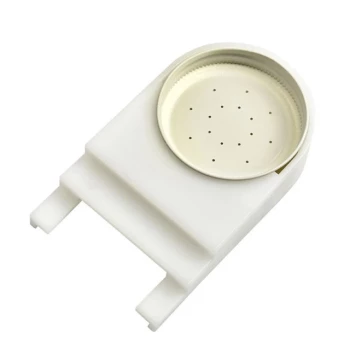
Open air feeders are generally discouraged in professional apiary management due to the severe risks they pose to colony security and health. While they may appear to offer a convenient way to feed multiple hives simultaneously, they inadvertently create a chaotic environment that attracts predators, facilitates disease transmission, and incites aggressive behavior among bees.
Core Takeaway The convenience of open air feeding is significantly outweighed by the loss of control over your apiary's biosecurity. By creating a communal feeding ground, you risk cross-contaminating your colonies with pathogens and ringing a "dinner bell" for larger predators that can destroy your hives.
Risks to Colony Health and Stability
Facilitating Disease Transmission
The most critical disadvantage of open air feeding is the total lack of biosecurity. When bees from different colonies congregate at a single food source, they interact closely.
This communal dining creates a vector for sharing diseases and parasites. If a single forager from a sick hive visits the feeder, they can easily transmit pathogens to foragers from your healthy hives, potentially infecting your entire apiary.
Inciting Aggression
Bees are naturally competitive for resources. Open air feeders often trigger a "feeding frenzy" behavior rather than a calm foraging response.
This excitement leads to fighting among bees from different colonies. In this chaotic environment, stronger colonies tend to dominate the resource, often attacking and robbing out weaker hives that are already struggling to survive.
Vulnerability of Weak Hives
The aggression triggered by open air feeding places disproportionate stress on your apiary's most vulnerable members.
Because the feeder incites fighting, weaker hives are left exposed. They often cannot compete for the food provided and may suffer casualties from the increased aggression in the area.
Environmental and Predator Attraction
Attracting Insect Pests
Sugar syrup and feed do not only attract honey bees. Open feeders act as a strong lure for other sugar-seeking insects.
Wasps and hornets will frequent these feeders. Once these pests establish a feeding pattern at your apiary, they may turn their attention to invading the hives themselves to steal honey or brood.
Luring Larger Predators
The scent of a large, open food source carries a long distance and attracts significantly larger wildlife.
Primary reference data indicates that these feeders attract birds, raccoons, skunks, and possums. These animals can cause physical damage to hive equipment and stress the colonies.
The Danger of Bears
Perhaps the most dangerous consequence is the attraction of bears.
Bears are driven by scent and have immense destructive power. An open feeder trains bears to associate your apiary location with an easy meal, putting your physical equipment and the bees inside at risk of total destruction.
Common Pitfalls to Avoid
Misunderstanding Convenience
A common mistake is viewing open air feeding as a time-saver. While filling one large container seems faster than filling individual hive feeders, the long-term cost of managing disease outbreaks and predator damage often requires far more time and labor to fix.
Loss of Consumption Monitoring
Unlike internal feeders (such as frame or top feeders), open air feeding makes it impossible to track specific colony intake.
You cannot verify if a starving colony is getting enough food or if a strong colony is hoarding it all. This lack of data prevents you from making informed management decisions for individual hives.
Making the Right Choice for Your Goal
To maintain a healthy apiary, you must prioritize biosecurity and predator management over feeding convenience.
- If your primary focus is Biosecurity: Avoid open air feeders entirely to prevent the rapid spread of parasites and diseases between colonies.
- If your primary focus is Protecting Weak Colonies: Use internal hive feeders to ensure the specific colony receives the nutrition without having to fight for it.
- If your primary focus is Predator Control: Keep food sources contained inside the hives to minimize scents that attract bears, skunks, and raccoons.
Ultimately, feeding bees internally provides the control and safety necessary to ensure strong, healthy hives.
Summary Table:
| Disadvantage | Impact on Apiary | Why It Matters |
|---|---|---|
| Disease Spread | Cross-contamination of pathogens | Single sick forager can infect multiple healthy colonies. |
| Robbing & Aggression | Triggered feeding frenzies | Stronger colonies dominate and may destroy weaker ones. |
| Predator Attraction | Lures wasps, skunks, and bears | Scent-based attraction leads to hive destruction and loss. |
| Lack of Control | Impossible to monitor intake | Cannot track if specific starving hives are receiving nutrition. |
Protect Your Colonies with Professional Feeding Solutions
Don't let open-air feeding compromise your biosecurity. HONESTBEE provides commercial apiaries and distributors with the high-quality, internal feeding tools and specialized beekeeping machinery needed to maintain hive health and efficiency.
Our comprehensive wholesale range includes everything from precision hive-making equipment to essential consumables designed for professional-scale operations. Ensure your bees are fed safely—contact us today for wholesale inquiries.
Related Products
- Professional Hive Front Entrance Bee Feeder
- HONESTBEE Entrance Bee Feeder Efficient Hive Front Liquid Feeding Solution for Beekeeping
- Professional In-Hive Bee Feeder HONESTBEE Frame for Beekeeping
- HONESTBEE Square Top Hive Bee Feeder Top Bee Feeder
- HONESTBEE Professional Entrance Bee Feeder Hive Nutrition Solution
People Also Ask
- What types of bee feeders are available for beginners? Start with the Simple Entrance Feeder
- How does a bee entrance feeder work? A Simple Guide to Convenient Hive Feeding
- What is a bee entrance feeder and what are its drawbacks? Essential Guide to Hive Security and Feeding Efficiency
- How do you make an entrance feeder for bees? A Guide to Safe & Effective Hive Feeding
- How to make an entrance feeder for bees? A DIY Guide for Safe & Effective Feeding