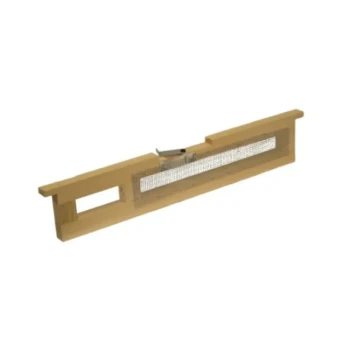
The primary disadvantages of wooden hives are their vulnerability to decay and their substantial weight. Because wood is an organic material, it is highly susceptible to rot when exposed to moisture and the elements, which can compromise the hive's structure over time. Furthermore, wooden hives are significantly heavier than modern alternatives like polystyrene, making them more difficult to lift, handle, and transport.
While wood is a common material for apiaries, it introduces a necessary burden of maintenance. You must be prepared to invest time and effort into preserving the equipment, as neglect leads to rapid deterioration and structural failure.
Vulnerability to the Elements
Susceptibility to Rot
The most significant drawback of wooden hives is their reaction to moisture and weather. Unlike synthetic materials, wood is prone to rot and decay when left exposed to the elements for extended periods.
Compromised Structural Integrity
As decay sets in, the physical strength of the hive deteriorates. This structural weakness can jeopardize the safety of the colony and the functionality of the equipment, eventually necessitating frequent repairs or total replacement.
The Maintenance Burden
Essential Inspections
To mitigate the risks of decay, wooden hives require regular maintenance routines. Owners must perform frequent inspections to identify early signs of water damage or wood rot before they become critical failures.
Ongoing Treatments
Keeping a wooden hive viable requires active intervention. You must apply protective treatments consistently to shield the wood from moisture, adding a layer of labor and cost that is not present with more weather-resistant materials.
Understanding the Physical Trade-offs
The Weight Penalty
Wooden hives are typically heavier than those made from lightweight materials like polystyrene. This added mass makes day-to-day operations more physically demanding for the beekeeper.
Transport Challenges
The weight factor complicates logistics. If you need to move your hives—whether for migratory beekeeping or simple repositioning in the yard—wooden equipment is more difficult to handle and transport, requiring more physical exertion or additional equipment.
Making the Right Choice for Your Goal
If you are evaluating hive materials, consider how these disadvantages align with your operational capabilities.
- If your primary focus is minimizing labor: You should be wary of wooden hives, as the requirement for regular treatments and repairs will consume significant time compared to synthetic options.
- If your primary focus is mobility and ease of handling: You should consider lighter alternatives like polystyrene, as the heavy weight of wood makes transport and manual lifting much more difficult.
Understanding these maintenance and physical requirements ensures you are prepared for the realities of managing a wooden apiary.
Summary Table:
| Disadvantage | Key Impact | Maintenance Requirement |
|---|---|---|
| Material Decay | Vulnerability to rot, moisture damage, and structural failure. | Regular protective treatments and waterproofing. |
| High Weight | Physically demanding to lift, handle, and transport. | Requires more labor or specialized moving equipment. |
| Durability Issues | Shorter lifespan if neglected; prone to cracking and warping. | Frequent inspections and structural repairs. |
| Labor Intensive | Higher ongoing time investment compared to synthetic hives. | Consistent painting and sealing routines. |
Elevate Your Commercial Beekeeping Efficiency with HONESTBEE
Managing large-scale apiaries requires equipment that balances durability with ease of use. While traditional wooden hives present challenges in weight and maintenance, HONESTBEE is here to streamline your operations.
We provide commercial apiaries and distributors with a comprehensive range of premium beekeeping solutions, including:
- Advanced Machinery: High-efficiency hive-making and honey-filling machines.
- Modern Equipment: Lightweight and durable beekeeping tools designed for professional use.
- Essential Consumables: A full spectrum of industry-standard supplies to keep your colonies thriving.
Whether you are looking to upgrade your hardware or stock high-quality honey-themed merchandise, our wholesale offerings are tailored to your business needs.
Ready to optimize your apiary? Contact HONESTBEE today to discuss how our tools and machinery can reduce your labor costs and boost productivity.
Related Products
- Wholesales Dadant Size Wooden Bee Hives for Beekeeping
- Wooden Bee Hive Frames for Beekeeping and Wholesale
- HONESTBEE Wired and Assembled Wooden Bee Frames Foundation for a Thriving Hive
- Assembled Wooden Bee Frames with Plastic Foundation for Durability and Convenience by HONESTBEE
- HONESTBEE Premium Italian Style Hive Tool with Hardwood Handle
People Also Ask
- What are the strategic benefits of installing beekeeping hives at an elevation of 1 to 6 meters? Protect Your Assets
- What are the key advantages of modern improved beekeeping hives? Scale Your Honey Yield and Production Efficiency
- What is the proper way to store unused bee hives? Expert Stacking Tips for Equipment Longevity
- What are the 2 types of bee hives? Langstroth vs. Top-Bar for Your Apiary
- How does the design of improved beekeeping hives contribute to maintaining honey quality and purity? Enhancing Purity