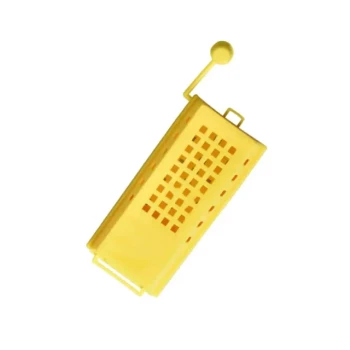
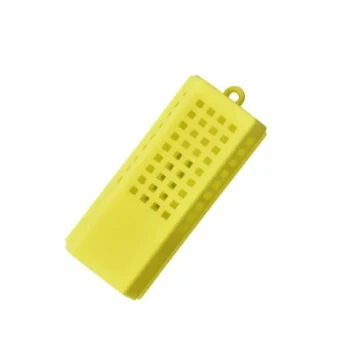
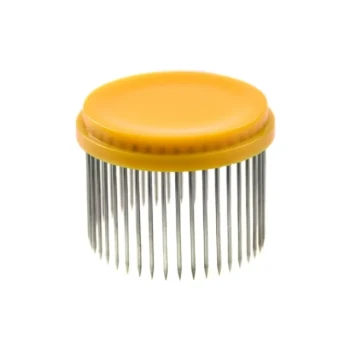
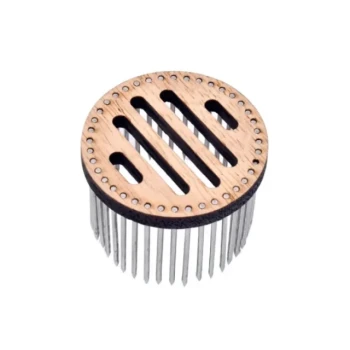
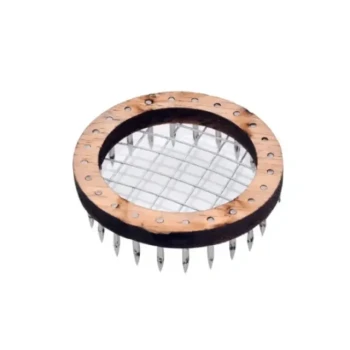
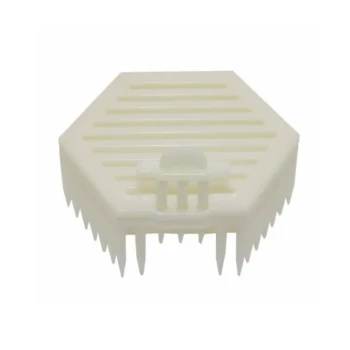
Professional queen cages serve as both logistical safeguards and precision research instruments. Their primary dual functions are to ensure the safe transport of queen bees across geographical regions and to act as isolation release tools for synchronizing biological timelines. By temporarily restricting the queen's movement, these devices allow beekeepers to dictate the exact start of egg-laying, ensuring brood cycles—and subsequent variables like Varroa mite reproduction—remain uniform across experimental colonies.
The Core Utility While often viewed merely as shipping containers, professional queen cages are actually time-control devices. They allow breeders to pause and start the biological clock of a colony, ensuring that genetic assets are protected during travel and that experimental data remains consistent across multiple hives.
The Logistics of Genetic Preservation
Safe Transport and Introduction
The most immediate function of the queen cage is physical protection during transit. It allows high-value genetic stock to be moved safely between regions without injury.
Upon arrival, the cage serves as an acclimation chamber. It allows the colony to grow accustomed to the new queen's pheromones before she is fully released, significantly reducing the risk of rejection.
Protecting Emerging Queens
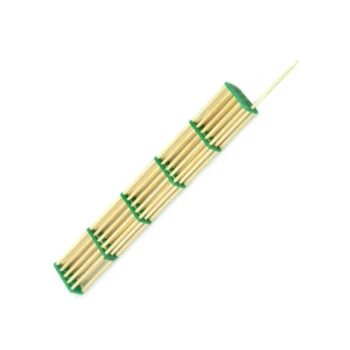
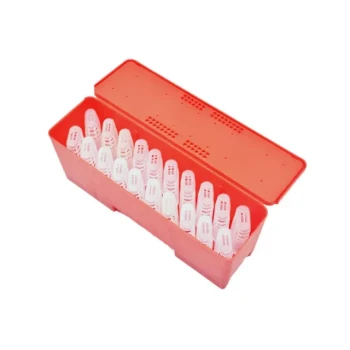
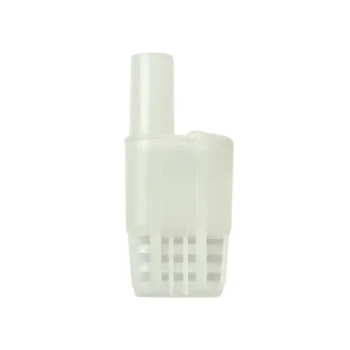
In breeding scenarios, specific variants like plastic hair roller cages are critical during the hatching phase. They are placed over queen cells that are about to hatch.
This creates a physical barrier that prevents newly emerged virgin queens from engaging in regicide (killing rival queens). Simultaneously, the mesh design allows worker bees to feed the isolated queen, preserving her health until she is selected for mating or transport.
Achieving Experimental Synchronization
Controlling the Egg-Laying Timeline
For researchers and advanced breeders, the cage is a tool for temporal precision. By keeping the queen confined, the beekeeper prevents her from laying eggs until a specific, chosen moment.
This eliminates the natural variability that occurs when queens are left to their own devices. The "start date" of the colony's brood cycle becomes a controlled variable rather than a random occurrence.
Standardizing Brood Cycles
When egg-laying is synchronized, the development stages of the brood (larvae and pupae) become uniform across all colonies in an experiment. This creates a standardized baseline for data collection.
Enabling Accurate Varroa Research
This synchronization is particularly vital for studying parasites like the Varroa mite. Since Varroa reproduction is linked to the bee's brood cycle, having uniform brood stages ensures that mite reproduction observation periods are consistent.
Without this control, data from different colonies would be mismatched, making it difficult to draw accurate scientific conclusions about infestation rates or treatment efficacy.
Understanding the Trade-offs
The Stress of Confinement
While useful, caging is unnatural for the queen. Prolonged restriction can lead to stress or reduced acceptance by the colony if not managed quickly.
Dependency on Worker Care
The mesh design of these cages is a double-edged sword. While it allows pheromone transfer, it makes the queen entirely dependent on external workers for feeding.
If the cage restricts access too severely, or if the workers are hostile, the queen can suffer from malnutrition or dehydration despite the physical protection.
Making the Right Choice for Your Goal
Whether you are managing a commercial apiary or running a scientific trial, the queen cage is a vital asset.
- If your primary focus is Genetic Propagation: Prioritize cages with mesh designs (like hair rollers) that prevent regicide while allowing workers to feed and maintain multiple virgin queens safely.
- If your primary focus is Experimental Research: Use the cage as a "pause button" to restrict movement and synchronize egg-laying, ensuring your data on brood cycles and mite reproduction is statistically valid.
By leveraging the dual nature of these cages, you transform a simple containment unit into a powerful control for the biological rhythm of your apiary.
Summary Table:
| Function Category | Key Benefit | Practical Application |
|---|---|---|
| Logistics | Genetic Preservation | Safe shipping and pheromone-based colony introduction |
| Protection | Preventing Regicide | Hair roller cages isolate virgin queens from rivals |
| Research | Temporal Precision | Standardizing egg-laying start dates for data accuracy |
| Management | Varroa Control | Synchronizing brood cycles to study mite reproduction |
Elevate Your Bee Breeding Precision with HONESTBEE
Maximize the genetic potential of your apiary and achieve scientific accuracy in your research with HONESTBEE. As a premier partner for commercial apiaries and distributors, we provide a comprehensive wholesale range of professional queen cages, specialized hardware, and honey-processing machinery.
Whether you need hair roller cages for genetic propagation or large-scale beekeeping tools for your business, we deliver the quality and expertise required for success in the global apiculture industry.
Contact HONESTBEE Today for Wholesale Solutions
References
- John R. Harbo, Jeffrey W. Harris. Resistance to <I>Varroa destructor</I> (Mesostigmata: Varroidae) When Mite-Resistant Queen Honey Bees (Hymenoptera: Apidae) Were Free-Mated with Unselected Drones. DOI: 10.1603/0022-0493-94.6.1319
This article is also based on technical information from HonestBee Knowledge Base .
Related Products
- Professional Queen Cage with Sliding Gate and Feeder Plug
- Professional Queen Bee Introduction and Transport Cage
- Professional Multi-Compartment Queen Cage with Sliding Lid
- Professional Round Push-In Queen Cage with Metal Tines
- Professional Multi-Functional Queen Bee Cage
People Also Ask
- Why are specialized queen bee cages used for the banking of mated queen bees? Maximize Commercial Apiary Storage Efficiency
- What is the mechanism of action for using temporary queen bee cages? Master Successful Queen Introduction
- How is a queen bee released from a queen cage? Ensure Safe Colony Integration & Hive Success
- What is the step-by-step process for installing a queen bee's cage onto a frame? Ensure Hive Acceptance Safely
- What technical precaution must be taken regarding the mesh or grill side of a queen bee cage? Ensure Queen Survival