Success in swarm capture relies on a specific ecosystem of tools: a temporary housing unit, olfactory attractants, and specialized containment hardware. At a minimum, you must deploy a nuc box or hive body with frames, pheromone lures like lemongrass oil, and essential safety gear. For complex retrieval, you will also require queen isolation cages, swarm catching sacks, and heavy-duty logistics equipment like ladders and ratchet straps.
Core Takeaway While the equipment collects the mass of bees, the biological key to success is securing the queen. The tools listed below are designed to capture her or mimic her signals, because once the queen is secured, the rest of the colony will naturally fan their wings and march into the new hive to join her.
Establishing the Temporary Habitat
The Housing Unit
You need a secure physical container to house the bees immediately after capture. A nuc box (nucleus colony box) is often preferred for its portability, though a standard single hive body works as well. This unit must be fully equipped with a top cover and a bottom board to contain the colony during transport.
The Role of Frames and Drawn Comb
Inside the box, you must provide frames. Experienced beekeepers prefer using frames with drawn comb rather than bare foundation. The residual scent of beeswax on drawn comb acts as a natural attractant, signaling to the scout bees that the box is a suitable, established home.
Tools for Attraction and Biology
Pheromone Lures
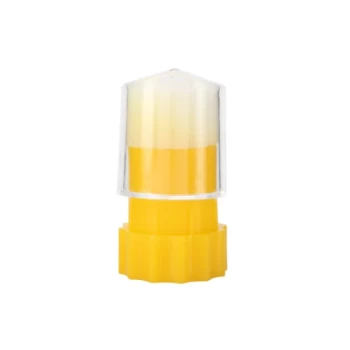
To encourage the swarm to investigate and stay in the box, you must leverage their olfactory senses. Swarm lures or lemongrass oil are essential; they mimic the Nasonov pheromone, which bees use to orient themselves and signal home. These can be applied via crush vials or direct application inside the hive body.
Securing the Queen
The most critical biological component of a swarm is the queen. You should have a queen cage or a specialized catching tool on hand. If you locate the queen and isolate her in a cage inside the box, the worker bees will smell her pheromones and instinctively remain with the hive.
Logistics and Access Tools
Reaching Elevated Swarms
Swarms often cluster in trees or eaves well above ground level. Essential hardware includes a reliable ladder to reach the cluster and ratchet straps to secure your hive box or ladder during the operation. Stability is vital when working with live insects at height.
Swarm Catching Sacks
For swarms located in difficult-to-reach areas where a rigid box cannot fit, a swarm catching sack is necessary. These specialized bags allow you to safely encompass the cluster and transport the bees down to the hive body for re-establishment.
Understanding the Trade-offs
The Risk of Elevation
While capturing swarms is a method for acquiring "free bees," it introduces physical risks not present in standard apiary management. The use of ladders and straps is not optional; attempting to balance a box of bees while descending a ladder without proper securing gear is a common safety failure.
Intimidation for Novices
The process requires quick identification of the queen and calm handling of a large, exposed biomass of bees. If you are a novice, the intimidation factor can lead to mistakes. Protective equipment (veil, suit, gloves) is strictly required to maintain your confidence and safety during the capture.
Making the Right Choice for Your Goal
If your primary focus is capturing a low-hanging, accessible swarm:
- Prioritize a lightweight nuc box with drawn comb and a queen cage to quickly secure the colony's anchor.
If your primary focus is retrieving a swarm from a high tree branch:
- Prioritize safety and logistics, ensuring you have a swarm catching sack, a stable ladder, and ratchet straps before attempting the climb.
If your primary focus is attracting a swarm passively (Trapping):
- Focus heavily on olfactory tools, utilizing lemongrass oil or pheromone lures within a box placed in a strategic location.
Mastering swarm capture requires balancing the biological needs of the bees with the logistical safety of the beekeeper.
Summary Table:
| Tool Category | Essential Equipment | Purpose & Function |
|---|---|---|
| Housing | Nuc Box / Hive Body | Temporary container for colony transport |
| Biological Lures | Lemongrass Oil / Swarm Lures | Mimics Nasonov pheromones to attract scouts |
| Containment | Frames with Drawn Comb | Provides an established scent to encourage settling |
| Queen Control | Queen Isolation Cages | Secures the queen to ensure the colony follows |
| Logistics | Swarm Sacks & Ladders | Facilitates retrieval from elevated or tight spaces |
| Safety | Ratchet Straps & PPE | Secures equipment and protects the beekeeper |
Scale Your Apiary Operations with HONESTBEE
At HONESTBEE, we specialize in empowering commercial apiaries and beekeeping distributors with the professional-grade tools required for large-scale success. From high-durability hive-making and honey-filling machinery to a comprehensive range of beekeeping hardware and essential consumables, our portfolio is designed to optimize your efficiency.
Whether you are expanding your commercial fleet or stocking a distribution network, our wholesale offerings provide the reliability and performance you need. Contact us today to discuss how our specialized equipment can enhance your operations and explore our full range of honey-themed cultural merchandise.
Related Products
- HONESTBEE Professional Telescopic Pole Bee Swarm Catcher
- HONESTBEE Collapsible Tiered Bee Swarm Catcher for Beekeeping
- Professional Stainless Steel Pry-Bar Hive Tool
- HONESTBEE 15-in-1 Beekeeper Multi-Tool with Hammer and Pliers for Beekeeping
- Professional Multi-Function Stainless Steel Hive Tool
People Also Ask
- What should be done if the swarm is situated on the bottom of a tree limb? A Guide to Methodical Bee Capture
- What role do swarm catchers play in maintaining the production scale of an apiary? Turn Colony Loss into Growth.
- What information should be gathered before attempting to catch a swarm of bees? A Safe and Successful Guide
- What precautions can be taken to prevent a newly captured swarm from absconding? Secure Your Swarm with Proven Methods
- What role does a Swarm Catcher play in the process of expanding apiary colony scale? Optimize Growth & Reduce Costs