Traditional beehives constructed from natural fibers such as raffia palm or bamboo serve as high-performance, biomimetic habitats that prioritize colony health through superior thermal insulation and breathability. These hives function as cost-effective production vehicles that enable large-scale forest colonization while actively supporting local biodiversity.
The core advantage of natural fiber hives lies in their ability to passively regulate internal microclimates, significantly reducing the energy stress on bees and allowing for extensive, low-cost apiary networks in remote forest environments.
Optimizing the Colony Microclimate
Thermal Regulation and Energy Conservation
The primary functional benefit of materials like raffia palm and bamboo is excellent thermal insulation. In forest environments, these materials protect the colony from temperature extremes.
By stabilizing the internal temperature, the hive reduces the metabolic energy bees must consume to heat or cool the cluster. This allows the colony to redirect resources from survival-based climate control to nectar collection and honey production.
Breathability and Humidity Control
Unlike synthetic materials or dense woods, natural fibers offer inherent breathability. This porosity prevents the buildup of excessive humidity within the hive, which is critical for preventing fungal growth and maintaining a healthy brood.
Leveraging Biomimicry for Colonization
Simulating Natural Habitats
These hives are designed to be biomimetic, meaning they structurally mimic the natural nesting cavities wild bees prefer. This design philosophy significantly improves the colonization rate of wild swarms compared to artificial structures.
Strategic Predator Avoidance
The lightweight nature of bamboo and raffia fibers makes these hives ideal for suspension on high tree branches. This placement mimics natural arboreal nesting sites and physically isolates the colony from ground-based predators such as honey badgers and lizards.
Economic and Ecological Scalability
Cost-Effective Scalability
Natural fiber hives act as a low-cost production vehicle. Because the materials are locally sourced and inexpensive, beekeepers can deploy them in high numbers to achieve high-coverage beekeeping without the prohibitive capital investment required for modern box hives.
Biodiversity Support
Using traditional materials aligns beekeeping practices with the local ecosystem. These hives support local biodiversity by integrating seamlessly into the forest environment, minimizing the ecological footprint typically associated with industrial beekeeping equipment.
Understanding the Trade-offs
While natural fiber hives offer superior environmental adaptation, they present distinct management challenges compared to modern alternatives.
Inspection and Management Limitations
Modern box hives utilize standardized, movable frames that allow for detailed internal inspections and non-destructive honey extraction. In contrast, traditional fiber hives often have fixed structures.
Harvesting Efficiency
Harvesting honey from traditional hives may compromise the physical integrity of the nest. This makes continuous production cycles more difficult to manage than in modern frame hives, where the comb is preserved after extraction.
Making the Right Choice for Your Goal
The decision between traditional natural fiber hives and modern alternatives depends on your specific operational objectives.
- If your primary focus is rapid, low-cost expansion: Prioritize traditional raffia or bamboo hives to maximize colonization rates and coverage area with minimal financial risk.
- If your primary focus is intensive colony management: Consider modern box hives to facilitate regular inspections and maximize honey extraction efficiency without damaging the colony structure.
Success in forest beekeeping relies on matching the hive architecture to both the environmental conditions and your management capacity.
Summary Table:
| Feature | Traditional Natural Fiber Hives (Raffia/Bamboo) | Modern Box Hives |
|---|---|---|
| Thermal Insulation | Superior - Passive microclimate regulation | Variable - Requires thicker wood/insulation |
| Cost to Scale | Low - Ideal for mass forest deployment | High - Significant capital investment |
| Colonization | High - Biomimetic design attracts wild swarms | Moderate - Often requires manual hiving |
| Management | Minimal - Fixed internal structures | High - Movable frames for inspection |
| Durability | Biodegradable - Low environmental impact | High - Long-lasting treated wood or plastic |
| Predator Defense | High - Lightweight for tree suspension | Moderate - Ground-based and heavy |
Scale Your Apiary Operations with HONESTBEE
Whether you are expanding into remote forest environments or optimizing a commercial honey production facility, HONESTBEE provides the professional-grade tools you need to succeed. We cater to commercial apiaries and global distributors by offering a comprehensive wholesale range, including:
- Advanced Beekeeping Machinery: Precision honey-filling and hive-making machines.
- Professional Hardware: High-durability beekeeping tools and equipment.
- Essential Consumables: A wide array of industry-standard supplies for every season.
From traditional-inspired designs to modern industrial automation, HONESTBEE delivers the value and reliability your business demands.
Ready to elevate your beekeeping production? Contact us today to explore our wholesale solutions!
References
- Philip F. Forboseh. Estimating benefits from beekeeping in the montane forests of north-western Cameroon. DOI: 10.1080/0005772x.2002.11099560
This article is also based on technical information from HonestBee Knowledge Base .
Related Products
- Wholesales Dadant Size Wooden Bee Hives for Beekeeping
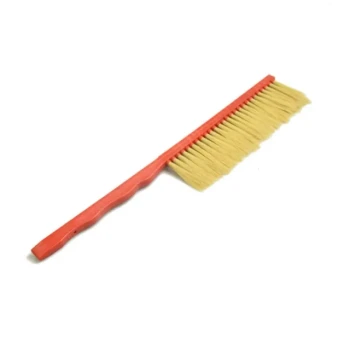
- Plastic Handle Single Row Artificial Fiber Bee Brush
- Wooden Bee Hive Frames for Beekeeping and Wholesale
- Professional Insulated Plastic Bee Hives
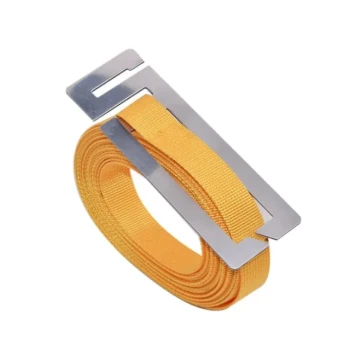
- Heavy-Duty Nylon Beehive Hive Strap with Stainless Steel Cinch Buckle
People Also Ask
- What are the strategic benefits of installing beekeeping hives at an elevation of 1 to 6 meters? Protect Your Assets
- What are the key advantages of modern improved beekeeping hives? Scale Your Honey Yield and Production Efficiency
- What is the proper way to store unused bee hives? Expert Stacking Tips for Equipment Longevity
- What are the 2 types of bee hives? Langstroth vs. Top-Bar for Your Apiary
- How does the design of improved beekeeping hives contribute to maintaining honey quality and purity? Enhancing Purity