A slatted rack is a specialized, optional hive component designed to sit between the bottom board and the lowest brood box. Its primary function is to optimize the hive's internal environment by providing a buffer zone for ventilation and temperature regulation. By raising the brood chamber away from the direct entrance, it reduces congestion and protects the colony from drafts, allowing the bees to utilize the hive space more efficiently.
Core Takeaway While not strictly required for survival, a slatted rack acts as a climate control buffer that stabilizes the brood nest. It transforms the turbulent, high-traffic area near the hive entrance into a calm, static air space that encourages the queen to lay more eggs and reduces the bees' need to build irregular comb.
Optimizing Hive Climate and Ventilation
Creating a Thermal Buffer Zone
The slatted rack creates a "dead air" space or static air space at the bottom of the hive.
This volume serves as an insulation layer. In the winter, it allows cold air to sink below the cluster without chilling the brood. In the summer, it facilitates the entry of fresh air to cool the hive.
Protecting the Brood from Drafts
Direct drafts from the hive entrance can be detrimental to the developing brood.
By elevating the brood chamber, the rack acts as a shield. It ensures that wind entering the hive does not hit the brood frames directly, maintaining a stable temperature necessary for larval development.
Enhancing Brood Pattern and Space Usage
Maximizing Egg Laying
A common issue in standard hives is the queen's reluctance to lay eggs at the very bottom of the frames due to light and draft exposure.
Because the slatted rack blocks direct drafts and diffuses light, the queen feels secure enough to lay eggs to the very bottom of the frame. This effectively increases the usable surface area of your brood frames.
Reducing Congestion
During hot weather, bees often cluster or "beard" at the entrance to cool off or get out of the way.
The rack provides an internal congregation area. This extra volume allows foraging and house bees to hang inside the hive without blocking airflow or crowding the brood nest, reducing overall congestion.
Preventing Ladder Comb
Bees naturally try to bridge gaps they find inefficient or unstable.
The slatted rack is designed to discourage bees from building unwanted ladder comb (burr comb) between the bottom board and the frames. This makes frame manipulation easier and keeps the hive cleaner.
Understanding the Trade-offs
Optional Equipment Complexity
The primary reference notes that the slatted rack is optional equipment.
While it offers distinct advantages for climate control and brood management, it is an additional cost and adds physical weight and height to the hive stack. Beekeepers must weigh the benefits of improved ventilation against the added complexity of managing extra hardware.
Making the Right Choice for Your Goal
Whether you should add a slatted rack depends on the specific challenges your apiary faces regarding climate and colony density.
- If your primary focus is Overwintering Success: The rack creates a vital buffer zone where cold air can sink, protecting the cluster from freezing drafts.
- If your primary focus is Maximizing Brood Production: The rack encourages the queen to utilize the full vertical height of the frame, preventing wasted space at the bottom.
- If your primary focus is Heat Management: The extra spacing reduces congestion and improves airflow, helping the colony cool itself efficiently during summer peaks.
A slatted rack is an investment in colony comfort that pays dividends through better comb management and a more stable brood environment.
Summary Table:
| Feature | Primary Function | Benefit to the Colony |
|---|---|---|
| Thermal Buffer | Creates a static air layer | Stabilizes internal hive temperature in all seasons |
| Draft Shield | Elevates the brood nest | Protects developing larvae from direct cold winds |
| Space Expansion | Provides internal congregating area | Reduces entrance congestion and summer 'bearding' |
| Light Diffusion | Blocks direct light at entrance | Encourages the queen to lay eggs to the bottom of frames |
| Comb Control | Discourages ladder comb | Maintains cleaner hives and simplifies frame inspection |
Elevate Your Apiary's Performance with HONESTBEE
Are you looking to enhance colony survival and maximize honey production? At HONESTBEE, we specialize in supporting commercial apiaries and distributors with high-quality beekeeping infrastructure. From precision-engineered slatted racks and hive hardware to industrial-grade honey-filling machines and hive-making equipment, we provide the full spectrum of tools you need to scale your operations.
Why partner with HONESTBEE?
- Comprehensive Wholesale Range: One-stop shop for all beekeeping machinery and consumables.
- Commercial Expertise: Tailored solutions for large-scale producers and retail distributors.
- Industry-Leading Quality: Durable equipment designed to withstand the demands of professional beekeeping.
Ready to optimize your inventory or upgrade your facility? Contact us today to explore our wholesale offerings!
Related Products
- Stainless Steel Pail Perch Bucket Bench
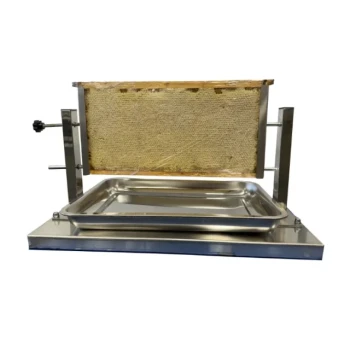
- Professional Adjustable Stainless Steel Honeycomb Display Stand
People Also Ask
- How do professional-grade Pollen Drying Ovens preserve active ingredients? Ensure Bioactive Potency with Precision
- What are the technical requirements for using a constant temperature drying oven for raw propolis? Expert Guide
- How do tipping bucket mechanisms function in apiary rain monitoring? Efficient Magnetic Sensing for Remote Hives
- How do forced circulation drying ovens sterilize beekeeping tools? Efficient Oxidation for Metal Equipment Safety
- What roles do iron sieve basins play in honey filtration and beeswax refining? Essential Two-in-One Processing Guide