Specialized squeezing tools and thermal treatments serve distinct but complementary functions in the initial stages of honey processing. Squeezing tools utilize physical force to mechanically break down honeycombs and separate raw honey from wax, while thermal treatments are applied to lower the viscosity of the honey, ensuring it flows efficiently through downstream filtration and bottling systems.
The core function of these tools is to transform raw hive material into a workable liquid. Mechanical tools maximize extraction yield by physically crushing the comb, while thermal treatments address the inherent challenges of crystallization and thickness to accelerate production speed.
The Mechanics of Extraction
The first phase of primary processing focuses on physical separation. This stage relies on durable tools designed to handle the structural resistance of honeycombs.
Breaking Down the Structure
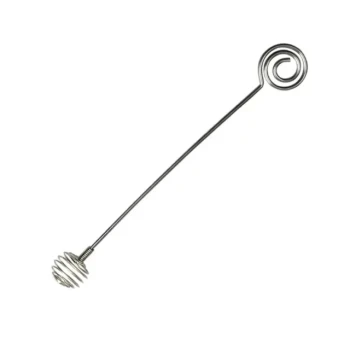
Specialized squeezing rods are the primary implement used to initiate processing.
Their function is to mechanically fracture the honeycomb structure. This breakage is necessary to release the honey stored within the wax cells, preparing the material for separation.
Separation via Pressure
Once the combs are broken down, the process moves to separation using high-strength plastic bags.
Operators apply significant physical pressure to these bags. This force squeezes the liquid honey out through the bag's material while retaining the solid wax and larger debris inside, effectively filtering the bulk solids from the liquid product.
The Role of Thermal Treatments
Honey is a highly viscous fluid that often resists flow, particularly if it has begun to crystallize. Thermal treatments are used to alter the physical properties of the honey to facilitate processing.
Reducing Viscosity
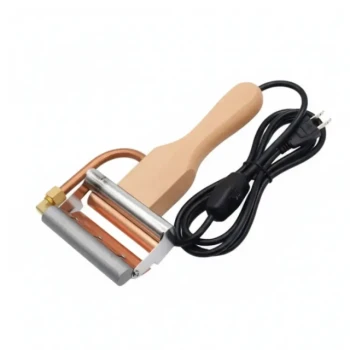
The primary function of applying heat is to lower the viscosity of the honey.
Techniques such as direct heating or solar exposure are often employed to liquefy crystallized honey. By warming the honey, it becomes more fluid, transitioning from a semi-solid or thick state into a manageable liquid.
Accelerating Filtration and Bottling
Lower viscosity directly correlates to higher processing speed.
When honey is thin and fluid, it passes through filters much faster, preventing clogs. This fluidity also accelerates the bottling process, significantly improving the overall efficiency of the production line compared to handling cold, thick honey.
Understanding the Trade-offs
While heat is necessary for efficiency, improper application can degrade the product. It is vital to balance the need for flow with the preservation of quality.
The Risks of Direct Heating
The primary reference notes the use of direct heating or solar exposure.
While effective for reducing viscosity, direct heat can create "hot spots." If honey is subjected to localized overheating, it risks caramelization, darkening, and a loss of natural flavor.
The Value of Uniformity
Industrial contexts often favor indirect heating to mitigate these risks.
Advanced systems focus on uniform heat distribution with minimal temperature differences. This approach achieves the necessary reduction in viscosity for filtration without compromising the biological or sensory qualities of the honey.
Making the Right Choice for Your Goal
The specific tools and methods you choose should align with your scale of operation and quality standards.
- If your primary focus is basic extraction: Utilize specialized squeezing rods and high-strength bags to maximize the physical yield of honey from the comb without complex machinery.
- If your primary focus is processing speed: Implement thermal treatments to reduce viscosity, ensuring that filtration and bottling steps do not become bottlenecks in your workflow.
Balancing sufficient physical pressure with controlled thermal application is the key to efficient, high-yield primary honey processing.
Summary Table:
| Process Method | Tool/Treatment Used | Primary Function | Key Benefit |
|---|---|---|---|
| Mechanical Extraction | Squeezing Rods & Pressure Bags | Breaking honeycomb & separating wax | Maximizes physical honey yield |
| Thermal Treatment | Heat/Solar Exposure | Reducing honey viscosity | Accelerates filtration and bottling |
| Quality Control | Controlled Heating | Preventing crystallization | Preserves flavor and prevents darkening |
Elevate Your Honey Production with HONESTBEE
At HONESTBEE, we specialize in empowering commercial apiaries and distributors with the professional tools needed for high-efficiency primary processing. Whether you are looking for high-strength extraction tools or advanced honey-filling and hive-making machinery, our comprehensive wholesale portfolio has you covered.
We provide everything from heavy-duty processing hardware to essential industry consumables and honey-themed cultural merchandise to help your brand stand out. Contact us today to discover how our equipment can streamline your workflow and ensure your honey maintains its premium quality from hive to bottle.
References
- Awraris Getachew Shenkute, Workneh Abebe. Honey production systems (Apis mellifera L.) in Kaffa, Sheka and Bench-Maji zones of Ethiopia. DOI: 10.5897/jaerd12.088
This article is also based on technical information from HonestBee Knowledge Base .
Related Products
- Ergonomic Squeezable Honey Bottle with Precision Twist Nozzle Cap
- Inverted Squeezable Honey Jar with No Drip Flip Top Cap for Easy Pouring
- Premium PET Squeeze Honey Bottle with Ergonomic Grip and Rotary Dispenser
- Classic Beehive Honey Bottle Jar with Squeeze Dispenser Lid
- Wide Adjustable Stainless Steel Honey Uncapping Fork with Scraper
People Also Ask
- What are the benefits of squeeze bottles for honey packaging? Unlock Mess-Free Convenience & Control
- How should honey bottles be prepared before pouring honey into them? The #1 Rule for Honey Longevity
- What are the features of honey bottles? Design for Convenience & Long-Term Preservation
- What are the features and benefits of using honey bottles for packaging? Optimize Preservation and Consumer Experience
- How do honey bottles contribute to the preservation of honey products? Secure Quality and Commercial Value