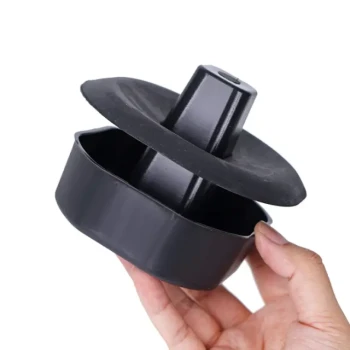
Transparent plastic micro-hives function as fully observable, artificial nest chambers. These specialized enclosures are critical tools in survival experiments for Hymenoptera species, including hornets, wasps, and bumblebees. They allow researchers to maintain these insects in a controlled environment where social behavior can be monitored continuously and mortality rates can be tracked with precision.
The primary value of these micro-hives lies in their ability to permit real-time data collection and maintenance without disrupting the colony's internal social dynamics.
The Mechanics of Observation and Control
Facilitating Real-Time Monitoring
The defining feature of these micro-hives is their transparent design. This visibility allows researchers to observe colony behavior as it happens without the need to open the nest or disturb the insects.
This continuous line of sight is essential for documenting social interactions, feeding habits, and activity levels. It ensures that data collection does not interfere with the natural—albeit confined—behaviors of the subjects.
Precise Pathogen Exposure
In experimental settings, these enclosed structures are often used to test the effects of specific biological agents. The micro-hives ensure that a specific group of insects is subject to precise exposure to pathogens, such as entomopathogenic fungi.
By confining the test group, researchers can guarantee that the dosage and environmental conditions remain consistent across the study. This isolation is critical for validating the results of survival experiments.
Maintenance and Experimental Integrity
Managing Mortality Without Disruption
A major challenge in insect rearing is managing hygiene without causing colony collapse or stress. These micro-hives are designed to allow for the removal of deceased individuals.
Removing dead insects prevents the spread of unplanned infections and maintains the sanitary conditions of the "nest." Crucially, the design allows this maintenance to occur without significantly disrupting the remaining live insects or their social interactions.
Creating a Standardized Environment
The "micro-rearing" aspect of these boxes provides a standardized physical space. This standardization eliminates variables that might occur in wild nests or larger, less controlled environments.
It ensures that survival data is based on the experimental variables (such as pathogen exposure) rather than inconsistencies in the habitat.
Understanding the Trade-offs
Artificial Constraints
While these hives offer control, they are inherently artificial environments. The spatial limitations of a "micro" box do not perfectly replicate the expansive and complex architecture of a natural hive.
Isolation vs. Interaction
The enclosed structure is excellent for studying specific groups, but it isolates those groups from the broader ecosystem. This is necessary for pathogen studies but may limit the scope of behavioral studies that rely on external environmental cues.
Making the Right Choice for Your Experiment
When designing an experiment involving Hymenoptera, the use of transparent micro-hives should be dictated by your specific data requirements.
- If your primary focus is Survival Analysis: Use these hives to track mortality rates accurately and remove deceased specimens to prevent cross-contamination.
- If your primary focus is Pathogenicity: Rely on the enclosed structure to ensure precise, consistent exposure of the colony to agents like entomopathogenic fungi.
By using these transparent enclosures, you transform a chaotic natural process into a measurable, observable scientific study.
Summary Table:
| Feature | Function in Experiments | Research Benefit |
|---|---|---|
| Transparent Design | Continuous visibility of colony behavior | Real-time data without colony disruption |
| Enclosed Structure | Controlled exposure to pathogens | High precision in survival and dosage testing |
| Micro-Rearing Space | Standardized physical environment | Elimination of habitat variables for consistent data |
| Maintenance Access | Removal of deceased individuals | Prevents secondary infection and maintains hygiene |
Elevate Your Commercial Apiary with Professional Solutions
At HONESTBEE, we understand the specialized needs of commercial apiaries and distributors. Whether you are conducting controlled research or scaling up honey production, our comprehensive wholesale portfolio provides the industrial-grade tools you need to succeed.
Our value to you includes:
- Specialized Machinery: High-efficiency hive-making and honey-filling machines to automate your operations.
- Premium Hardware: A full spectrum of beekeeping tools and equipment designed for durability and precision.
- Essential Consumables: Reliable supplies for every stage of the beekeeping season.
- Cultural Merchandise: Unique honey-themed products to expand your market reach.
Ready to optimize your beekeeping operations or expand your distribution inventory? Contact us today to discuss your wholesale needs and let HONESTBEE be your partner in professional apiculture.
References
- Mathilde Lacombrade, Denis Thiéry. The invasive hornet Vespa velutina nigrithorax is more susceptible to an entomopathogenic fungus than two other hymenopteran species, the wasp Vespula vulgaris and the bumblebee Bombus terrestris. DOI: 10.1007/s10526-025-10331-3
This article is also based on technical information from HonestBee Knowledge Base .
Related Products
- Professional Insulated Plastic Bee Hives
- Reusable Clear Small Hive Beetle Traps for Beehives Beetle Trapping Tools
- Beehive Entrance Discs Plastic Bee Entrance Disc for Bee Hives
- Durable Plastic Interlocking Hive Connector for Beekeeping
- Professional Ant-Proof Beehive Stand with Integrated Moat for Beekeeping
People Also Ask
- What are the advantages of plastic bee hives? Boost Efficiency & Durability for Your Apiary
- Are plastic bee hives any good? Unlock Durability & Efficiency for Your Apiary
- How do plastic bee hives compare to wooden hives in handling? Reduce Strain & Boost Efficiency
- Are plastic bee hives good? Durable, Low-Maintenance Hives for Modern Apiaries
- What are the disadvantages of plastic beehives? Key Operational and Environmental Risks Exposed