Proper placement of supplemental feed is a critical component of apiary management that directly impacts colony security. The general rule is that sugar syrup or dry sugar must never be left out in the open; instead, all food sources should be placed securely inside the hives, preferably during the evening hours.
Open feeding undermines colony defense by attracting competitors and pathogens. To protect your bees, you must feed exclusively inside the hive to prevent resource theft, aggressive robbing behavior, and the transmission of disease.
The Risks of Open Feeding
Preventing Resource Waste
When you place feed in the open, you lose control over who consumes it. Open containers attract bees from nearby managed colonies and feral populations.
This results in a significant loss of resources. You end up feeding the entire neighborhood rather than targeting your specific colony's nutritional needs.
Mitigating Robber Bee Activity
Open feeding creates a "feeding frenzy" atmosphere in the apiary. This competitive environment can incite robber bee activity, where stronger colonies attack weaker ones to steal stores.
Once robbing behavior is triggered by open food, aggressor bees often turn their attention to invading your hives. This can lead to the destruction of weaker colonies.
Blocking Disease Transmission
Communal feeding stations act as vectors for illness. When bees from various feral and managed colonies mix at a single food source, the risk of spreading bee diseases increases evenly.
Feeding inside the hive ensures that your bees are not interacting with potentially infected foragers from outside your apiary.
Strategic Placement and Timing
Internal Placement is Mandatory
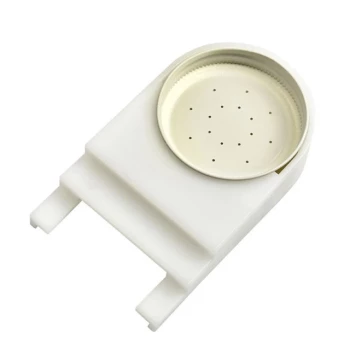
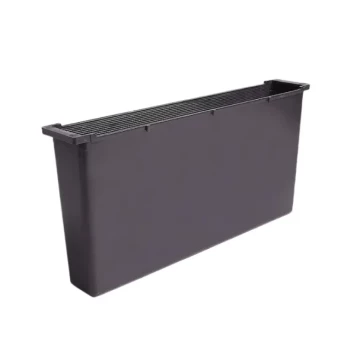
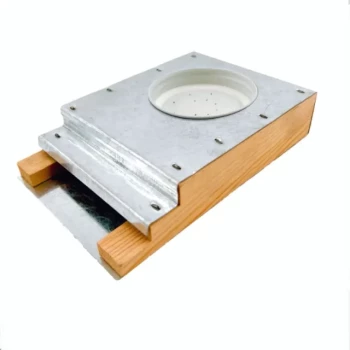
To ensure the food benefits only the intended colony, supplemental feed must be placed inside the hive.
This physical barrier allows the colony to defend the food source using their natural hive defenses. It keeps the resource exclusive to the colony you intend to support.
The Evening Rule
The primary reference advises placing feed towards the evening.
Feeding late in the day helps minimize the risks associated with feeding. It likely reduces the window of opportunity for daylight-active robbers to detect the new food source immediately.
Common Pitfalls to Avoid
The Temptation of Convenience
It is often faster to place a large feeder outside than to open individual hives. However, this convenience creates a false economy.
The time saved is often negated by the cost of lost syrup and the potential damage done to the colony through robbing or disease introduction.
Underestimating Feral Competition
Beekeepers often assume their apiary is isolated. However, feral colonies are highly efficient at locating sugar sources.
Open feeding inevitably draws these unmanaged populations into your apiary, compromising your biosecurity measures.
Ensuring Colony Security
To apply these rules effectively based on your specific management goals:
- If your primary focus is Biosecurity: Feed strictly inside the hive to prevent contact with feral bees and reduce pathogen transmission.
- If your primary focus is Apiary Peace: Refill feeders in the evening to prevent triggering a robbing frenzy among your colonies.
- If your primary focus is Resource Efficiency: Avoid open feeding entirely to ensure your financial investment in sugar syrup goes exclusively to your livestock.
Strict adherence to internal, evening feeding is the definitive method for supplementing your bees without inviting disaster.
Summary Table:
| Feeding Rule | Recommended Action | Primary Benefit |
|---|---|---|
| Placement | Inside the hive (Internal) | Prevents resource theft & ensures exclusivity |
| Timing | Late evening/Dusk | Minimizes robbing frenzies and scout detection |
| Method | Closed feeders (no open sources) | Blocks disease transmission from feral populations |
| Target | Specific colony assessment | Ensures efficient resource allocation & biosecurity |
Maximize Your Colony’s Productivity with HONESTBEE
Effective feeding is just the first step in successful apiary management. At HONESTBEE, we empower commercial apiaries and distributors by providing the industry's most reliable beekeeping tools and machinery. Whether you need specialized honey-filling machines, precision hive-making hardware, or high-quality consumables, our comprehensive wholesale offerings are designed to streamline your operations and enhance biosecurity.
Ready to scale your beekeeping business with professional-grade equipment and expert support?
Contact HONESTBEE Today to Explore Our Wholesale Catalog
Related Products
- HONESTBEE Professional Entrance Bee Feeder Hive Nutrition Solution
- HONESTBEE Round Hive Top Bee Feeder for Syrup
- HONESTBEE Entrance Bee Feeder Professional Hive Nutrition Solution for Beekeeping
- In-Hive Dual Compartment Frame Bee Feeder for Targeted Colony Nutrition
- HONESTBEE Professional Hive Top Bee Feeder Feeding Solution
People Also Ask
- What types of bee feeders are available for beginners? Start with the Simple Entrance Feeder
- What are the advantages and disadvantages of using an entrance feeder for bees? Balance Convenience and Hive Security.
- How does a bee entrance feeder work? A Simple Guide to Convenient Hive Feeding
- What is a bee entrance feeder and what are its drawbacks? Essential Guide to Hive Security and Feeding Efficiency
- How to make an entrance feeder for bees? A DIY Guide for Safe & Effective Feeding