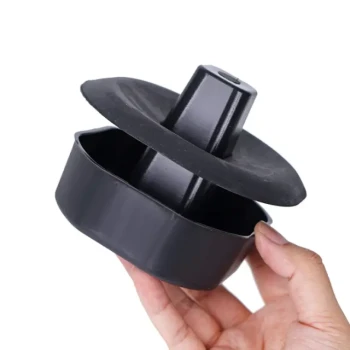
The common beehive stand widely used in the United States suffers from a critical design flaw: insufficient elevation and a lack of under-hive airflow. Typically only 100 mm (approximately 4 inches) tall, this low-profile design allows ground moisture to wick directly into the hive's timber structure. This saturation creates a continuously damp environment that compromises the colony's ability to regulate humidity and temperature.
The standard low-profile stand creates a "wicking effect" that saturates hive timber, a problem often worsened by exterior paint. This forces beekeepers to use artificial ventilation, which increases colony stress and accelerates the consumption of winter food stores.
The Mechanics of Moisture Saturation
The primary issue with the common US hive stand—predominantly used with Langstroth systems—is its proximity to the ground.
Wicking from the Ground Up
Because the stand is only 100 mm tall, it lacks the necessary clearance to allow air to circulate beneath the hive. Without this air gap, the base of the hive acts as a bridge for ground moisture. The timber absorbs this dampness, pulling it upward into the structure of the boxes.
The Difficulty of Expelling Moisture
Honeybees naturally generate moisture, which they must expel, particularly when clustering for warmth. When the hive walls are already saturated with ground moisture, the timber cannot buffer the internal humidity. The colony effectively becomes trapped in a wet box, making thermoregulation significantly harder.
The Compound Effect of Exterior Paint
While intended to protect the equipment, the widespread practice of painting hives exacerbates the moisture problem initiated by the low stand.
Trapping Moisture Inside
Exterior paint creates a non-breathable seal on the outside of the hive. While this keeps rain out, it also locks ground moisture in. Once the timber wicks up water from the low stand, the paint prevents that moisture from evaporating through the wood grain.
Saturation and Thermal Loss
Wet wood is a poor insulator compared to dry wood. As the hive walls remain saturated, the colony loses heat more rapidly. This forces the bees to expend more energy to maintain the cluster temperature.
The Hidden Cost of Ventilation Fixes
To combat the dampness caused by low stands and sealed timber, beekeepers often modify the hive dynamics. However, these "fixes" come with significant trade-offs.
The Reactive Top Entrance
A common solution is adding a top entrance, typically a 10 mm hole. The goal is to create a draft that forces the damp air out of the hive. While this does remove moisture, it fundamentally changes the airflow dynamics the bees attempt to control.
Unnatural Metabolic Stress
This forced ventilation introduces a "chimney effect" that strips heat from the colony. The bees are subjected to unnatural stress as they fight against the draft to stay warm.
Increased Food Consumption
Heat production requires fuel. Because the bees are losing heat through the top vent, they must consume their honey stores at a higher rate to compensate. This increased consumption creates a higher risk of starvation before the winter ends.
Making the Right Choice for Hive Health
Improving colony survival rates requires looking beyond standard equipment defaults and addressing the root cause of moisture.
- If your primary focus is reducing moisture: Select or build stands significantly taller than 100 mm with an open design to break the capillary action from the ground.
- If your primary focus is thermal efficiency: Avoid relying on top vents to cure dampness; instead, prevent the timber from getting wet so the bees can regulate their own environment.
- If your primary focus is equipment longevity: Be cautious with exterior paints that seal wood completely; prioritize finishes that allow the timber to breathe.
Elevating the hive to ensure dryness is far more effective than venting heat to cure dampness.
Summary Table:
| Issue | Impact on Colony | Consequence |
|---|---|---|
| Low Elevation (100mm) | Wicks ground moisture into timber | Damp internal environment |
| Lack of Airflow | Traps humidity under the hive | Poor thermoregulation |
| Exterior Paint Seal | Prevents wood from breathing | Saturated timber and heat loss |
| Reactive Ventilation | Creates a "chimney effect" | Increased winter food consumption |
| Forced Top Entrances | Unnatural metabolic stress | Higher risk of winter starvation |
Optimize Your Apiary with Professional Grade Equipment
Don't let poor hive design compromise your yield and colony survival. HONESTBEE provides commercial apiaries and distributors with the high-performance tools and machinery needed to scale effectively.
From moisture-resistant hive-making machines to precision honey-filling equipment and a full spectrum of beekeeping hardware, we offer the wholesale solutions your business deserves.
Ready to elevate your beekeeping operations? Contact us today to discover how our comprehensive portfolio and industry expertise can drive your success.
Related Products
- Plastic Bee Hive Stand for Beekeeping
- Australian Langstroth Beehive Boxes for Beekeeping Wholesales
- High-Performance Langstroth Bee Hives for Global Professional Beekeeping
- Wooden Bee Hive Frames for Beekeeping and Wholesale
- Long Langstroth Style Horizontal Top Bar Hive for Wholesale
People Also Ask
- What are the benefits of elevating a bee hive with a stand or base? Protect Your Colony and Your Back
- What are the essential technical specifications for a high-quality bee hive stand? Maximize Stability and Hive Safety
- What are the potential risks of plastic bee hive stands? Avoid Structural Failure in Your Apiary
- What height should a bee hive stand be? Optimize for Your Back and Hive Health
- Why are specialized beehive stands or protective barriers necessary for pest management in apiaries? Secure Your Colony