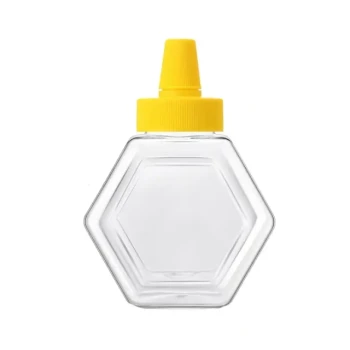
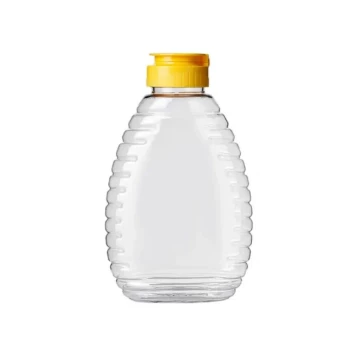
Hermetic plastic bottles act as a critical preservation system by creating an impermeable physical barrier against environmental air and moisture. These containers are essential for preventing fermentation in hygroscopic honey and ensuring the stability of its chemical and bioactive properties during transport and storage.
Honey is naturally hygroscopic, meaning it rapidly absorbs moisture from the air, which is the primary cause of fermentation and spoilage. Hermetic packaging neutralizes this threat by locking in a stable environment, ensuring the product remains unaltered from harvest to consumption.
Moisture Control and Spoilage Prevention
The Physical Barrier
The fundamental function of a hermetic plastic bottle is to provide a superior seal. This physical barrier blocks the intrusion of external air and humidity, effectively isolating the honey from the surrounding environment.
Countering Hygroscopy
Honey has a natural tendency to attract and hold water molecules from the atmosphere. Without a hermetic seal, this absorption raises the water content of the honey.
Preventing Fermentation
When honey absorbs environmental water, it becomes susceptible to yeast activity. By stopping moisture ingress, hermetic bottles directly prevent the fermentation and subsequent spoilage that destroys product value.
Chemical and Biological Stability
Material Inertness
The plastic materials selected for these bottles are chemically stable. This ensures they do not react with the honey, preserving its delicate physicochemical properties over time.
Preserving Bioactive Components
Honey contains valuable bioactive compounds that distinguish high-quality product. Hermetic sealing protects these components from degradation, ensuring the nutritional profile remains intact.
Thermal Compatibility
These bottles are engineered to maintain their protective qualities across specific thermal ranges. They effectively stabilize honey during low-temperature transportation at 18°C and deep-freeze storage at -20°C.
Logistical Protection and Durability
Pressure Resistance
Beyond chemical preservation, these containers provide structural integrity. They utilize pressure-resistant designs to withstand the physical stress of long-distance transportation.
Leak Prevention
The "leak-proof" characteristic of hermetic packaging solves a major logistical headache. It prevents product loss and damage during transit from remote production areas to urban markets.
Understanding the Operational Requirements
The Necessity of Temperature Control
While the bottle provides the physical barrier, it is not a standalone solution for indefinite preservation. The primary reference highlights that stability is assured in conjunction with specific temperatures (18°C for transport or -20°C for storage).
Material Specificity
Not all plastic containers offer "hermetic" capabilities. Relying on standard plastic packaging without verified sealing properties or chemical stability can lead to barrier failure and eventual product spoilage.
Strategies for Honey Preservation
To maximize the shelf-life and quality of your honey inventory, align your packaging choice with your specific logistical stage.
- If your primary focus is long-term storage: Utilize hermetic bottles in a -20°C freezing environment to lock in bioactive components and prevent chemical changes.
- If your primary focus is transportation logistics: Prioritize pressure-resistant, leak-proof designs to prevent physical damage during transit from remote harvesting sites.
By combining chemically stable hermetic sealing with controlled temperatures, you ensure the delivery of pure, unfermented honey.
Summary Table:
| Function | Benefit | Storage/Transport Impact |
|---|---|---|
| Moisture Barrier | Stops hygroscopic absorption | Prevents yeast growth and fermentation |
| Hermetic Seal | Creates an airtight physical barrier | Maintains chemical and bioactive stability |
| Material Inertness | Non-reactive chemical profile | Preserves honey's natural flavor and nutrients |
| Structural Integrity | Pressure-resistant & leak-proof | Ensures safe transit and reduces product loss |
| Thermal Stability | Durable at -20°C and 18°C | Enables deep-freeze storage and safe logistics |
Secure Your Honey Harvest with Professional Packaging Solutions
Preserving the purity and bioactive value of your honey requires more than just a container; it requires a high-performance preservation system. HONESTBEE specializes in supporting commercial apiaries and distributors with premium, chemically stable, and pressure-resistant beekeeping tools and equipment.
Whether you need industrial-grade hermetic honey containers, specialized honey-filling machines, or a complete range of apiary consumables, our wholesale offerings are designed to enhance your operational efficiency and product shelf-life.
Ready to elevate your honey storage and distribution?
Contact HONESTBEE Today to discover how our comprehensive equipment portfolio can protect your business and maximize your product value.
References
- Pierre Noiset, Nkoba Kiatoko. Insularity and its impact on stingless bee honey properties: A case study in the Zanzibar Archipelago (Tanzania). DOI: 10.1002/jsf2.170
This article is also based on technical information from HonestBee Knowledge Base .
Related Products
- Classic Beehive Honey Bottle Jar with Squeeze Dispenser Lid
- Professional Insulated Plastic Bee Hives
- Hexagonal Squeeze Honey Bottle with No Drip Lid
- Squeezable No-Drip Beehive-Shaped Honey Jars with Flip-Top Cap
- Food Grade Plastic Honey Bucket Pail for Beekeeping
People Also Ask
- Why use high-quality honey jars? Protect Your Harvest with Superior Plastic & Glass Packaging Solutions
- What are the benefits of squeeze bottles for honey packaging? Unlock Mess-Free Convenience & Control
- How should honey bottles be prepared before pouring honey into them? The #1 Rule for Honey Longevity
- What are the features of honey bottles? Design for Convenience & Long-Term Preservation
- What are the features and benefits of using honey bottles for packaging? Optimize Preservation and Consumer Experience