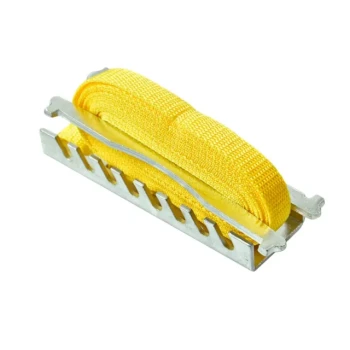
The fundamental requirement for a beekeeping equipment storage area is absolute environmental security. You must utilize a dedicated, enclosed space—such as a shed, garage section, or large closet—that effectively shields gear from moisture, weather, and pests. Additionally, positioning this storage area in close proximity to your apiary will significantly improve your operational efficiency.
Core Insight:
The physical condition of your equipment directly impacts the health of your colony. A storage solution is not merely about organization; it is a preservation system designed to prevent mold, pest infestation, and disease transfer between seasons.
Environmental Control and Security
Protection from Moisture
Moisture is the primary enemy of beekeeping equipment. Wooden components, such as Langstroth hive bodies and frames, are susceptible to rot and warping if exposed to damp conditions.
Protective gear, specifically suits and gloves, can develop mildew if stored in humid environments. Ensure your storage area is dry, weather-tight, and allows for adequate air circulation.
Pest Exclusion
The storage space must be secure against vermin and insects. Wax residues and propolis on equipment act as strong attractants for pests like mice and wax moths.
Your storage area must be sealed to prevent entry. A secure shed or a tight-sealing closet is essential to stop these threats from destroying stored comb and woodenware.
Operational Layout and Maintenance
Vertical Space for Protective Gear
Proper storage of protective gear requires vertical hanging space. Beekeeping suits, hats, and veils should be air-dried and stored upright rather than folded.
Folding can damage the delicate mesh of the veil, compromising your safety. Hanging these items also facilitates the necessary air-drying process after they have been hand-washed.
Pre-Storage Sanitation
Your storage area should facilitate the separation of clean and dirty equipment. Before long-term storage, all equipment must be sanitized to prevent the transfer of diseases or parasites between hives.
Hive components like honey supers must be scraped clean with a hive tool. This preparation phase is critical, so the storage area should be distinct from the cleaning zone or arranged to ensure only sanitized gear is put away.
Understanding the Trade-offs
Proximity vs. Home Safety
While placing storage close to hives offers convenience, it can present challenges if that space is attached to your home (like a garage).
Used equipment often carries the scent of smoke, wax, and honey. If not perfectly cleaned, storing this equipment in an attached structure may attract pests into your home or introduce strong odors.
Airflow vs. Pest Security
Achieving a balance between ventilation and sealing is difficult. You need airflow to dry washed suits and prevent mold, yet the space must be tight enough to exclude mice.
If you choose a shed with high airflow, you may need to store wax frames in specialized airtight bins within that shed to protect them from wax moths, while hanging suits in the open air.
Optimizing Your Storage Strategy
To maximize the lifespan of your investment, align your storage choice with your specific operational needs:
- If your primary focus is equipment longevity: Prioritize a dry, climate-controlled space (like a large closet) to prevent wood rot and mold growth on gear.
- If your primary focus is workflow efficiency: Utilize a weather-proof garden shed immediately adjacent to your hives to minimize heavy lifting and transit time.
- If your primary focus is disease prevention: Ensure strict separation of equipment and prioritize a layout that encourages thorough cleaning and drying of suits before they are put away.
A well-planned storage area is the first line of defense in maintaining a healthy, sustainable apiary.
Summary Table:
| Storage Requirement | Key Benefit | Maintenance Action |
|---|---|---|
| Environmental Control | Prevents rot, warping, and mildew | Ensure a dry, weather-tight space with airflow |
| Pest Exclusion | Protects comb and wood from mice/moths | Use sealed structures or airtight storage bins |
| Vertical Storage | Preserves mesh veils and suit integrity | Hang suits and veils upright to air dry |
| Pre-Storage Hygiene | Prevents disease and parasite transfer | Scrape and sanitize all gear before storage |
| Strategic Location | Improves operational efficiency | Balance proximity to apiary with home safety |
Maximize Your Apiary’s Success with HONESTBEE
Proper storage is just the beginning of a thriving beekeeping operation. At HONESTBEE, we specialize in supporting commercial apiaries and distributors with high-quality, professional-grade solutions. From specialized hive-making and honey-filling machinery to a full spectrum of beekeeping tools and essential consumables, we provide the hardware you need to scale your business.
Whether you are looking to upgrade your extraction facility or restock wholesale supplies, our team is here to provide the expertise and equipment you deserve. Contact us today to explore our comprehensive wholesale offerings and see how HONESTBEE can streamline your operations.
Related Products
- Food Grade Plastic Honey Bucket Pail for Beekeeping
- Plastic Transporting Bee Packages and Nuc Boxes for Beekeeping
- Professional 600D Oxford Cloth Beekeeping Tool Bag with 8 Pockets and Elastic Loops
- Durable Galvanized Steel Frame Grip
- Durable Plastic Interlocking Hive Connector for Beekeeping
People Also Ask
- What key operational precautions should be taken when using honey buckets and extractors fitted with bottom drain taps?
- What functions do food-grade honey buckets perform? Safeguard Your Harvest and Optimize Apiary Logistics
- Why are food-grade plastic buckets preferred for honey? Protect Quality with Modern Honey Collection Tools
- What is the significance of food-grade plastic honey collection buckets? Boost Quality in Forest Honey Logistics
- What is a honey pail? The Essential Container for Protecting Your Honey's Value