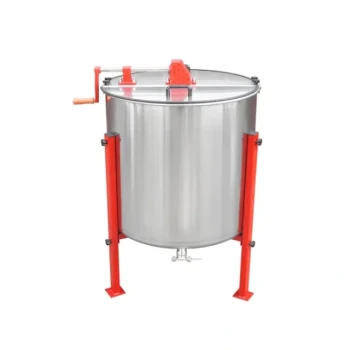
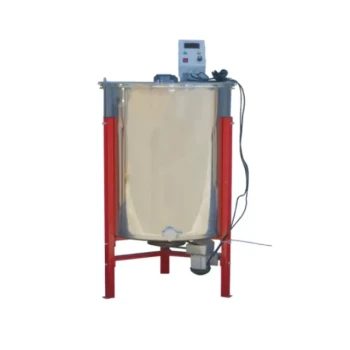
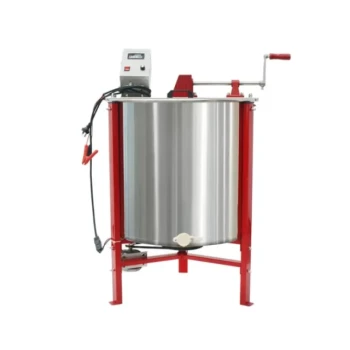
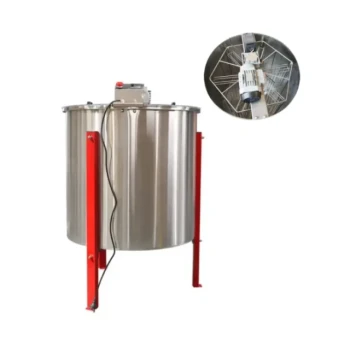
Mechanized honey extraction equipment significantly outperforms manual methods by preserving the honey's biological integrity through controlled centrifugal force rather than destructive physical pressure. By operating efficiently at low temperatures and eliminating the need for heating or hand-squeezing, these systems prevent the degradation of vital nutrients and ensure the final product remains chemically stable.
Core Takeaway Manual extraction methods often rely on squeezing or heating, which can destroy delicate biological compounds and introduce contaminants. In contrast, mechanized extraction maintains a cool, hygienic environment that protects heat-sensitive enzymes and prevents the rise of hydroxymethylfurfural (HMF), ensuring the honey retains its full medicinal and nutritional value.
The Mechanics of Nutritional Preservation
Protecting Heat-Sensitive Enzymes
The primary nutritional advantage of mechanized equipment is its ability to operate at low temperatures. Manual processing often requires heating to lower viscosity or involves prolonged handling that can raise the honey's temperature.
Mechanized centrifugal extractors eliminate this thermal stress. By keeping the honey cool, the process preserves critical heat-sensitive enzymes (such as diastase and invertase) that are responsible for many of honey's health benefits.
Preventing Chemical Degradation
Closely related to temperature control is the stabilization of chemical composition. When honey is heated or mishandled during manual extraction, hydroxymethylfurfural (HMF) levels can rise significantly.
Elevated HMF is a marker of low quality and reduced freshness. Mechanized extraction prevents this chemical change, ensuring the honey maintains the biochemical profile expected of a high-grade, medicinal product.
Eliminating Contaminants and Impurities
Manual extraction, particularly the "squeezing" method, inevitably introduces high levels of physical impurities. This often includes wax particles, debris, and even larval remains that leach into the honey.
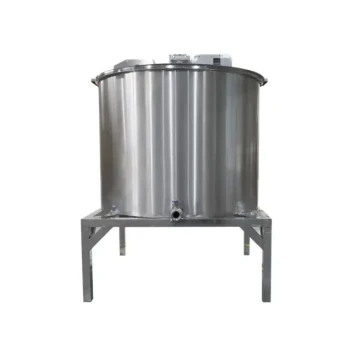
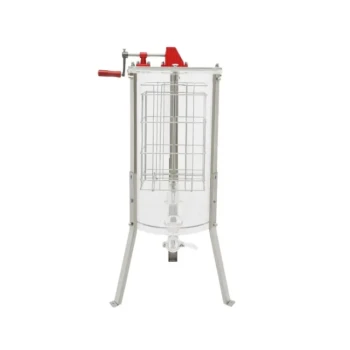
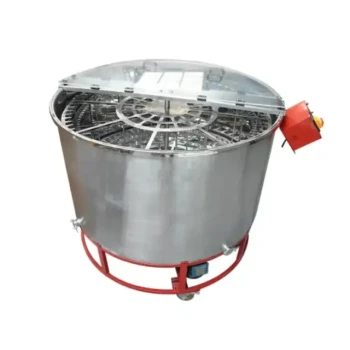
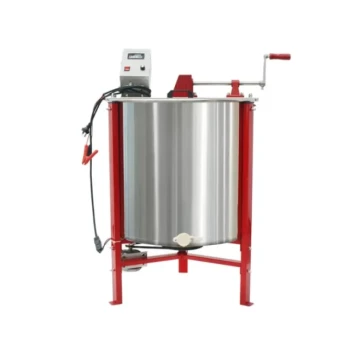
Mechanized separators and electric extractors isolate the liquid honey without crushing the comb structure. This results in a cleaner raw product with significantly reduced secondary contamination, meeting higher hygiene standards without requiring aggressive post-processing that could strip nutrients.
Retention of Volatile Compounds
Beyond enzymes, the nutritional profile of honey includes trace compounds that contribute to its antioxidant properties and flavor. Manual pressing or heating can cause these volatile flavor compounds to evaporate or degrade.
Electric extractors utilize stable, high-speed rotation to harvest honey quickly. This speed reduces environmental exposure time, locking in the natural volatiles and preserving the complex sensory and nutritional characteristics of the specific flora.
Operational Considerations and Trade-offs
While the nutritional benefits are clear, it is important to acknowledge the operational shift required. Mechanized equipment represents a higher initial financial investment compared to simple manual tools.
Furthermore, these systems introduce a degree of complexity regarding maintenance and cleaning. To maintain the hygienic advantages mentioned above, the equipment requires rigorous sanitization protocols to prevent residue buildup, which is less of a concern with disposable or simple manual tools.
Making the Right Choice for Your Goal
When deciding between extraction methods, align your choice with your specific quality targets:
- If your primary focus is Medicinal Grade Quality: Prioritize mechanized extraction to maintain low HMF levels and maximize enzyme activity.
- If your primary focus is Market Competitiveness: Use electric extractors to ensure consistent hygiene standards and retain the unique volatile flavor profiles that differentiate high-end honey.
Mechanization transforms extraction from a crude harvest into a preservation process, safeguarding the natural chemistry that makes honey a valuable food source.
Summary Table:
| Feature | Mechanized Extraction | Manual Extraction |
|---|---|---|
| Temperature Control | Excellent (Cool processing) | Poor (Often requires heating) |
| Enzyme Preservation | High (Protects diastase/invertase) | Low (Heat degradation risk) |
| HMF Levels | Minimal (Stays fresh) | Higher (Chemical degradation risk) |
| Physical Purity | High (Centrifugal separation) | Low (Debris/wax contamination) |
| Volatile Compounds | Well-preserved (Fast processing) | Often lost during handling |
Elevate Your Honey Quality with HONESTBEE
Are you a commercial apiary or distributor looking to secure the highest nutritional grade for your honey? HONESTBEE specializes in professional-grade beekeeping machinery designed to protect the biological integrity of your harvest.
Our comprehensive wholesale range includes high-efficiency honey-filling machines, advanced centrifugal extractors, and automated hive-making equipment. By choosing HONESTBEE, you ensure lower HMF levels, higher enzyme retention, and a premium product that stands out in the medicinal and culinary markets.
Ready to scale your production with industry-leading equipment? Contact our experts today to discover how we can optimize your apiary operations and maximize your product value.
References
- Peter Hristov, Nadezhda Palova. Significance of Apoidea as Main Pollinators. Ecological and Economic Impact and Implications for Human Nutrition. DOI: 10.3390/d12070280
This article is also based on technical information from HonestBee Knowledge Base .
Related Products
- Commercial Electric 12 Frame Honey Extractor Spinner Motorized Honey Extractor
- Electric 8 Frame Honey Spinner Extractor Equipment for Beekeeping
- 32 Frame Commercial Electric Honey Extractor for Beekeeping and Honey Production
- HONESTBEE 2 Frame Manual Acrylic Honey Extractor Beekeeping Equipment
- HONESTBEE 72 Frame Industrial Electric Honey Extractor for Beekeeping
People Also Ask
- Who are commercial honey extractors designed for? Scaling Your Industrial Beekeeping Success
- What is a commercial honey extractor? The Essential High-Volume Solution for Large Apiaries
- How is honey extracted commercially? Maximize Your Apiary's Efficiency and Honey Yield
- What are commercial honey extractors used for? Boost Your Apiary's Efficiency & Profitability
- What are the advantages of motorized extractors? Boost Honey Production and Save Time