Industrial Ethernet offers a distinct advantage over Wi-Fi in beehive data transmission through superior speed and energy efficiency. Specifically, for high-bandwidth tasks like uploading bulk images or video streams, wired connections minimize data loss and significantly reduce the power required to complete transmissions.
By eliminating the signal fluctuations inherent to wireless networks, Industrial Ethernet provides a stable pipeline that reduces the "activation time" required to send data, resulting in lower energy consumption per unit of data transferred.
The Efficiency of Wired Transmission
Optimizing for High-Capacity Data
When monitoring beehives involves large files, such as bulk image uploads or video streaming, the transmission medium becomes critical.
Industrial Ethernet provides higher transmission speeds compared to standard Wi-Fi setups. This bandwidth capability ensures that data-heavy monitoring systems can synchronize information rapidly without bottlenecks.
Reducing Activation Time
Efficiency in remote monitoring is often defined by how long a system must stay "awake" to transmit data.
Because Ethernet transmits the same volume of data faster than Wi-Fi, the system requires shorter activation times. This allows the hardware to return to a low-power state sooner, preserving the overall energy budget of the beehive monitoring system.
The Impact on Energy Consumption
Eliminating Retransmission Waste
A major hidden cost of wireless communication is the energy lost when data must be re-sent.
Wi-Fi signals are subject to fluctuations and interference, which often force the system to retransmit lost data packets. Each retransmission consumes additional power without advancing the actual task.
Consistent Power Usage
Industrial Ethernet avoids these efficiency losses entirely.
By maintaining a physical connection, wired setups bypass the volatility of the wireless spectrum. This stability makes Ethernet ideal for high-frequency data synchronization, where consistent, predictable energy consumption is required.
Understanding the Trade-offs
Physical Constraints vs. Data Integrity
While Ethernet is superior for performance, it requires physical cabling to the hive.
This eliminates the flexibility of placement offered by Wi-Fi but trades it for guaranteed throughput. For applications where data integrity and battery life (per transmission) are paramount, the physical constraint is a necessary compromise to avoid the latency and power drain of wireless instability.
Making the Right Choice for Your Goal
To maximize the effectiveness of your apiary monitoring system, align your connection type with your data requirements:
- If your primary focus is transmitting video or high-res images: Choose Industrial Ethernet to handle the large bandwidth requirements without throttling.
- If your primary focus is maximizing energy efficiency: Opt for Ethernet to reduce the system's active transmission time and eliminate power-draining signal retransmissions.
- If your primary focus is frequent data synchronization: Rely on wired connections to ensure consistent updates without the variability of wireless signal strength.
For data-intensive beekeeping operations, the stability of a wired connection ultimately translates to higher reliability and lower operational costs.
Summary Table:
| Feature | Industrial Ethernet | Wireless Wi-Fi |
|---|---|---|
| Data Throughput | High (Supports bulk images/video) | Limited (Vulnerable to bottlenecks) |
| Energy Efficiency | High (Low activation time) | Lower (High retransmission drain) |
| Signal Stability | Constant (Physical connection) | Variable (Signal fluctuations) |
| Power Consumption | Predictable and consistent | High (Due to packet loss/re-sync) |
| Best Use Case | Data-heavy/Video monitoring | Simple/Low-frequency sensors |
Maximize Your Apiary Efficiency with HONESTBEE
Transitioning to advanced monitoring requires robust infrastructure. HONESTBEE empowers commercial apiaries and distributors with the specialized tools needed to scale production and ensure data integrity.
From high-performance beekeeping machinery and hive-making equipment to essential industry consumables, we provide comprehensive wholesale solutions tailored to your needs. Whether you are upgrading your honey-filling lines or seeking honey-themed cultural merchandise for your brand, our expertise ensures your success.
Ready to optimize your beekeeping operations? Contact HONESTBEE Today for Wholesale Inquiries
References
- Hugo Hadjur, Laurent Lefèvre. Analysis of energy consumption in a precision beekeeping system. DOI: 10.1145/3410992.3411010
This article is also based on technical information from HonestBee Knowledge Base .
Related Products
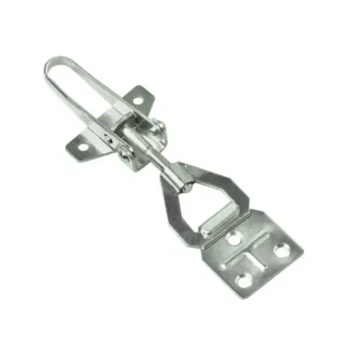
- Heavy Duty Adjustable Hive Connector
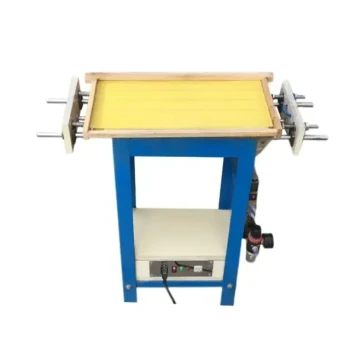
- Professional Pneumatic Wire Embedder for Beehive Frames
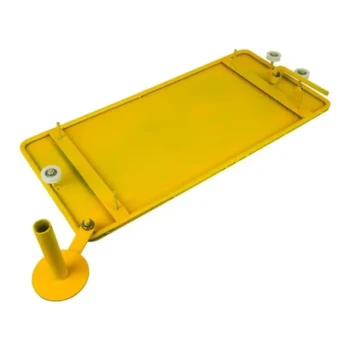
- HONESTBEE Durable Frame Wiring Board with Integrated Tensioner
People Also Ask
- Under what circumstance are beehive connectors particularly beneficial? Optimize Handling for Full Beehive Attachments
- What is the advantage of using the beehive connector when handling full attachments? Achieve Safe and Efficient Hive Transport
- What are the primary functions of a beehive connector? Ensure Hive Stability and Safe Colony Transport
- How can the connection length and strength of a beehive connector be adjusted? Master Tension with Threaded Mechanics
- What is the purpose of the beehive connector? Secure Your Hive for Safe Transport