Stainless steel silver alloy wires in bee venom collection must prioritize high electrical conductivity, superior corrosion resistance, and exceptional physical strength. These specialized wires serve as the critical interface for delivering precise stimulation signals to honeybees while surviving the chemically active and humid environment of a functional beehive.
To ensure high venom yields and equipment longevity, these wires must balance the rapid pulse delivery of silver with the structural integrity of stainless steel. For B2B resellers, providing components that meet these rigorous standards is the key to reducing maintenance overhead and ensuring consistent performance for end-users.
Precision Engineering for Electrical Efficiency
The Necessity of High Conductivity
The primary function of the wire is to deliver a precise electrical pulse that stimulates bees to discharge venom without causing them harm. Silver alloy integration is essential because it lowers electrical resistance, allowing for uniform current distribution across the entire collection surface.
Uniformity through Parallel Design
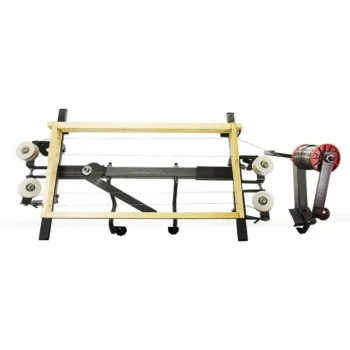
Industry-standard configurations often utilize parallel coils spaced approximately 5 millimeters apart. This specific geometry ensures that the electric current is delivered accurately to the bees, guiding them to deposit venom onto the glass plates below with maximum efficiency.
Maintaining Signal Integrity
Inconsistent conductivity can lead to "dead zones" on the collection frame, significantly reducing the machine's output. By sourcing high-conductivity alloys, distributors ensure their clients receive hardware capable of maintaining stable signal strength over long-term operation.
Durability in Harsh Biological Environments
Combating Hive Humidity and Oxidation
Beehives are naturally high-humidity environments, which can rapidly accelerate the corrosion of inferior metals. High-grade stainless steel provides the necessary oxidation resistance to prevent rust, which would otherwise insulate the wire and break the electrical circuit.
Resistance to Mechanical Wear
Worker bees frequently grip, pull, and even bite the wires during the stimulation process. The wire must possess high physical strength to resist deformation or breakage from this constant mechanical stress, ensuring the structural grid remains intact.
Hygiene and Contaminant Control
Stainless steel is naturally non-porous and easy to sanitize, which is critical for maintaining the purity of the collected venom. Using high-quality alloys prevents the leaching of metallic impurities into the venom, which is vital for pharmaceutical-grade applications.
Understanding the Trade-offs and Pitfalls
Conductivity vs. Structural Rigidity
While pure silver offers the highest conductivity, it is far too soft to withstand the mechanical rigors of a beehive. Using a silver alloy rather than a pure coating ensures the wire remains stiff enough to maintain the required 5mm spacing without sagging over time.
Cost vs. Longevity in Sourcing
Opting for lower-grade stainless steel or thin-plated wires often results in rapid surface degradation. For wholesalers, the "cheaper" initial cost is often offset by high return rates and damage to brand reputation when the wires fail mid-season due to corrosion.
The Risk of Improper Spacing
If the wire lacks the tensile strength to remain taut, the 5mm spacing can become irregular. This leads to uneven stimulation, which can either fail to trigger the bees or, conversely, cause excessive stress that harms the colony.
Making the Right Choice for Your Goal
As a professional partner in the supply chain, we provide deep industry expertise to help you navigate these technical requirements with ultra-fast delivery and efficient order fulfillment.
- If your primary focus is Pharmaceutical Grade Purity: Prioritize high-grade stainless steel alloys that offer maximum corrosion resistance to prevent any metallic contamination of the venom.
- If your primary focus is Maximizing Collection Yield: Focus on wires with the highest silver content to ensure uniform electrical delivery across the entire grid surface.
- If your primary focus is Equipment Longevity and Durability: Select high-tensile strength alloys that can withstand the mechanical wear from worker bees without deforming or snapping.
By aligning these technical performance requirements with a reliable, rapid-response supply chain, distributors can confidently deliver superior solutions to the bee venom industry.
Summary Table:
| Requirement | Key Benefit | Technical Focus |
|---|---|---|
| High Conductivity | Ensures uniform pulse delivery | Silver alloy integration |
| Corrosion Resistance | Prevents rust in humid hives | High-grade stainless steel |
| Physical Strength | Resists deformation and breakage | High-tensile rigidity |
| Hygiene Standard | Maintains pharmaceutical purity | Non-porous, easy-to-sanitize |
| Dimensional Stability | Maintains precise 5mm spacing | Stiffness under tension |
Scale Your Beekeeping Supply Business with HONESTBEE
As a premier partner for distributors, wholesalers, and B2B resellers, HONESTBEE provides a one-stop sourcing solution for the full spectrum of beekeeping tools, machinery, and consumables. Whether you need specialized venom collection hardware, honey-filling machines, or high-demand industry consumables, our comprehensive portfolio is engineered to maximize your profit margins and ensure supply reliability.
Why Partner with HONESTBEE?
- Comprehensive Portfolio: Access everything from hive-making machinery to honey-themed merchandise.
- OEM/ODM & Certifications: Deep professional expertise to meet your specific market standards.
- Rapid Fulfillment: Ultra-fast delivery and efficient order processing to keep your stock ready.
- Dedicated Support: Exceptional customer service focused on helping you scale your business.
Ready to enhance your product offering with industry-leading quality? Contact us today to get a wholesale quote!
References
- Melis Şevval Bahar, Banu Yücel. Determination of the Effects of Bee Venom Production on Aggression Behaviour and Colony Development Parameters in Honeybee (Apis mellifera L.) Colonies. DOI: 10.33462/jotaf.1638551
This article is also based on technical information from HonestBee Knowledge Base .
Related Products
- Stainless Steel Bee Hive Frame Wire for Beekeeping
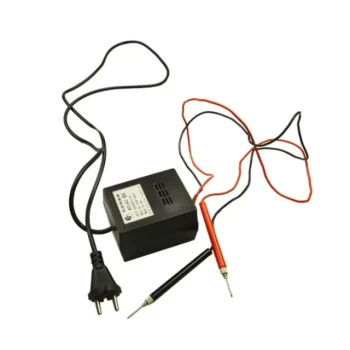
- Full Set Beekeeping Electronic Bee Venom Collector Machine Device for Bee Venom Collecting
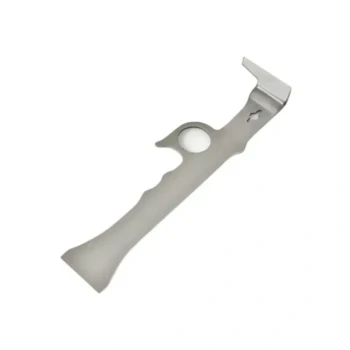
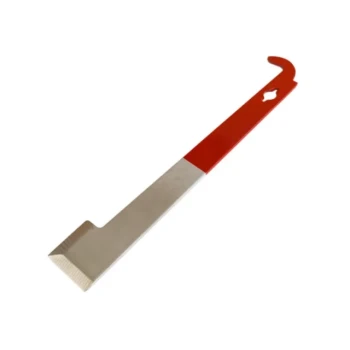
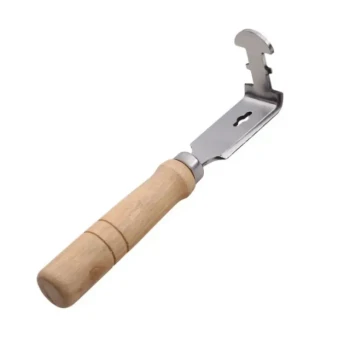
- HONESTBEE Advanced Ergonomic Stainless Steel Hive Tool for Beekeeping
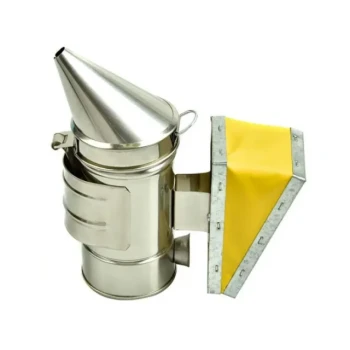
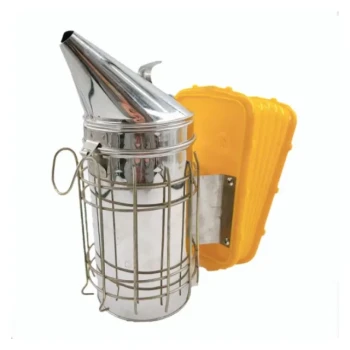
- European Stainless Steel Bee Smoker for Honey Bee Hive
- Miniature Stainless Steel Bee Smoker for Beekeeping
People Also Ask
- What are the arguments for and against wiring beehive frames? Balance Durability and Management Flexibility
- What are the drawbacks of wiring beehive frames? Key Limitations and Structural Trade-offs Revealed
- How is the wire secured at the top of the frame? A Guide to Locking in Tension for Strong Honeycomb
- What factors determine the amount of wiring needed in beehive frames? Tailor Your Strategy for Your Climate
- What tools are needed to wire a beehive frame? Essential Equipment for Durable Frame Construction