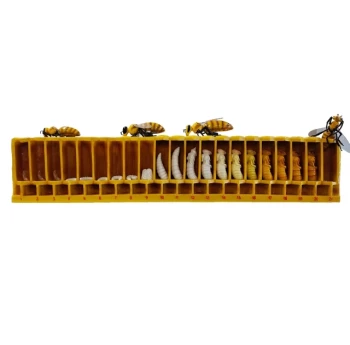
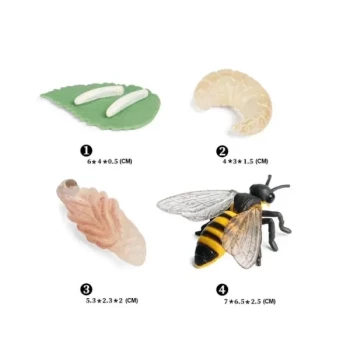
The ideal honey bee larvae for grafting are physically defined by two distinct traits: a very small size and a specific, subtle curvature. You are looking for larvae that appear as a slight comma shape, distinguishing them from the more developed, C-shaped larvae found in older cells.
Success in grafting relies on selecting the youngest possible larvae—specifically those in the "comma" stage—to ensure the development of high-quality queens.
Identifying the Correct Larval Stage
The "Comma" vs. "C" Distinction
The most reliable visual indicator of suitability is the curvature of the larva. You must look for a slight comma-shaped curvature.
If the larva has curled into a defined C-shape, it is already too old for optimal grafting. The comma shape indicates the larva is in the earliest stages of development, which is critical for queen rearing.
Size Matters
In addition to shape, the target larvae are very small. They occupy a tiny fraction of the cell base and are floating on a small bed of royal jelly.
If the larva fills a significant portion of the cell bottom, it has surpassed the optimal grafting window.
Improving Identification Accuracy
Utilizing Proper Lighting
Because suitable larvae are so small, standard ambient light is often insufficient. It is highly recommended to use a flashlight or headlamp to illuminate the bottom of the cells.
Positioning the Frame
To get a clear view of the larval curvature, you should place the donor frame on an incline. This angle helps the light reflect off the royal jelly, creating a contrast that makes the tiny, white comma-shaped larvae stand out against the dark cell bottom.
Common Pitfalls to Avoid
Misjudging Larval Age
A common mistake is selecting larvae that are easy to see rather than those that are the correct age. While larger, C-shaped larvae are easier to transfer, they result in inferior queens. Always prioritize the smaller, comma-shaped candidates even if they are more difficult to handle.
Environmental Exposure
While searching for the right larvae, remember that they are fragile. Perform your selection in a warm, draft-free room to prevent the larvae from drying out or becoming chilled during the transfer process.
Making the Right Choice for Your Goal
- If your primary focus is Queen Quality: Select the smallest possible larvae that exhibit the subtle "comma" shape to maximize the queen's potential.
- If your primary focus is Visibility: Utilize a headlamp and incline the frame rather than choosing larger larvae that are easier to see with the naked eye.
Mastering the identification of the "comma" stage is the single most important physical skill in the grafting process.
Summary Table:
| Characteristic | Suitable Larvae (Ideal) | Unsuitable Larvae (Too Old) |
|---|---|---|
| Shape | Subtle "Comma" shape | Defined "C" shape |
| Size | Very small; tiny fraction of cell | Fills significant portion of cell |
| Appearance | Floating on thin bed of royal jelly | Large and clearly visible |
| Grafting Goal | High-quality, prolific queens | Inferior queens; lower success rate |
Elevate Your Queen Rearing with HONESTBEE
For commercial apiaries and distributors, the precision of your equipment is as vital as the larvae you select. HONESTBEE provides the professional-grade tools you need to master the grafting process and scale your operations. From specialized grafting tools and protective gear to industrial honey-filling machines and hive-making equipment, we offer a comprehensive wholesale portfolio designed for industry leaders.
Ready to upgrade your apiary’s efficiency? Contact us today to explore our full spectrum of beekeeping machinery and supplies.
Related Products
- Plastic Beekeeping Honey Bee Larvae Grafting Tools for Queen Rearing and Chinese Grafting
- Stainless Steel Beekeeping Queen Grafting Tool for Honey Bee Rearing
- Black 2 Pack Beekeeper Queen Grafting Tool for Bee Queen Larva Transferring Needle
- Retractable Chinese Queen Rearing Grafting Tools Equipment
- Plastic Chinese Queen Grafting Tool for Bee Queen Rearing
People Also Ask
- How do larvae grafting tools and royal jelly production kits contribute to a diversified bee product strategy?
- What happens if a larva is grafted too late? Avoid Scrub Queens and Failed Rearing
- What is the primary function of a Professional Bee Larvae Grafting Tool in queen rearing? Enhance Breeding Efficiency
- What is the grafting method of queen rearing? Master Controlled Queen Production for Your Apiary
- What is the primary function and technical requirement of a larvae grafting tool? Master Precision Queen Rearing