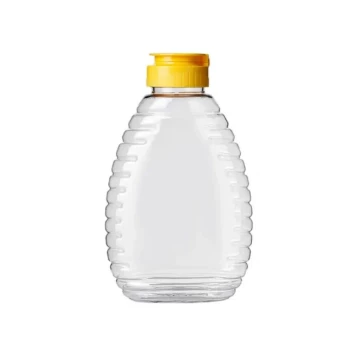
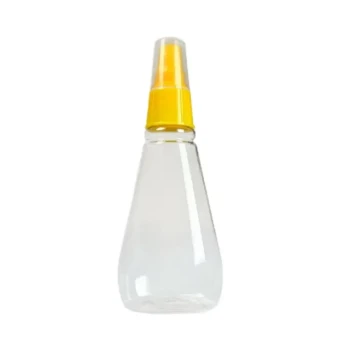
Food-grade plastic bottles offer a strategic advantage in commercial distribution by prioritizing physical durability and logistical efficiency. They serve as a robust solution that minimizes product loss through superior impact resistance while significantly lowering shipping expenses due to their lightweight composition.
Core Insight: Switching to food-grade plastic addresses both the physical risks of transport and the chemical vulnerabilities of honey. It creates a lightweight, impact-resistant supply chain while simultaneously acting as an inert barrier against moisture and oxidation, ensuring the product arrives intact and unfermented.
Optimizing Logistics and Reducing Overhead
To understand the value of plastic packaging, you must look at the specific challenges of the commercial supply chain. The primary benefits here are economic and operational.
Minimizing Product Loss
The journey from packager to retailer involves varying degrees of physical stress. Unlike fragile materials (such as glass), food-grade plastic offers superior impact resistance. This durability ensures leak-proof performance, effectively eliminating the breakage and inventory loss common with brittle packaging during distribution.
Lowering Transport Costs
Weight is a primary driver of shipping expenses. The lightweight nature of plastic reduces the overall gross weight of shipments. For long-distance logistics, this translates to a direct reduction in fuel consumption and shipping fees, improving the margin per unit.
Enhancing Consumer Usability
The benefits extend to the end-user. The portability and durability of plastic make it safer and more convenient for daily consumer use, reducing the risk of accidents in the home.
Preserving Honey Quality and Chemistry
While the primary reference highlights logistics, the material's ability to protect the honey's chemical integrity is equally vital for commercial success.
Preventing Fermentation
Honey is hygroscopic, meaning it naturally absorbs water from the air. Food-grade plastic provides a critical moisture barrier. By preventing the absorption of atmospheric moisture, the packaging stops the honey from fermenting and spoiling, a common issue in humid storage conditions.
Maintaining Chemical Inertness
Not all containers are suitable for food storage. Food-grade plastic is chemically stable and inert. This ensures that the container does not react with the honey, preventing oxidation or contamination that could alter the flavor or safety of the product.
Stabilizing Market Value
Because of the airtight seals and stable properties of these containers, honey retains its physicochemical characteristics over time. This allows producers to hold inventory during off-seasons or price fluctuations without fearing a degradation in quality, thereby preserving the asset's market value.
Critical Considerations for Material Selection
While plastic offers significant advantages, it is distinct from other materials like glass or metal. Understanding the specific requirements of plastic is essential to avoid operational pitfalls.
The "Food-Grade" Requirement
It is not enough to simply use plastic; the material must be certified Food-Grade. Standard plastics may not possess the chemical stability required to prevent leaching or oxidation. The advantages listed above—specifically inertness and safety—rely entirely on using materials engineered for agricultural product contact.
The Importance of the Seal
The material itself is only half the equation. The reference emphasizes that value retention relies on an airtight seal. Without a closure system that complements the plastic bottle's moisture resistance, the risk of fermentation returns, negating the chemical benefits of the packaging.
Making the Right Choice for Your Goal
When selecting packaging for commercial honey distribution, align your choice with your most pressing operational bottleneck.
- If your primary focus is Logistics and Cost: Prioritize food-grade plastic to minimize shipping weight and eliminate revenue loss caused by breakage during transport.
- If your primary focus is Product Stability: Leverage the moisture-resistant and chemically inert properties of these containers to prevent fermentation and allow for long-term storage during market fluctuations.
By combining high-impact durability with chemical stability, food-grade plastic transforms honey packaging from a simple vessel into an active asset for quality control.
Summary Table:
| Feature | Commercial Advantage | Impact on Honey Quality |
|---|---|---|
| High Impact Resistance | Minimizes product loss and breakage during shipping | Ensures structural integrity of the container |
| Lightweight Material | Significantly reduces transport costs and fuel consumption | No direct chemical impact; improves portability |
| Moisture Barrier | Extends shelf life and reduces waste | Prevents absorption of water and honey fermentation |
| Chemical Inertness | Guaranteed food-grade safety and regulatory compliance | Prevents oxidation and contamination of flavor |
| Airtight Sealing | Maintains inventory value during off-season storage | Preserves physicochemical properties and freshness |
Maximize Your Distribution Efficiency with HONESTBEE
Transitioning to high-quality food-grade packaging is a strategic move for any growing apiary or distributor. At HONESTBEE, we specialize in supporting commercial beekeeping operations with a full spectrum of wholesale solutions. From durable, lightweight food-grade bottles that cut shipping costs to advanced honey-filling machines and hive-making hardware, our portfolio is designed to enhance your operational margins and protect your product's value.
Ready to scale your commercial honey distribution? Contact our team today to explore our wholesale equipment, tools, and consumables tailored for the modern honey industry.
References
- N. H. Rachmani, L. Cyrilla ENSD. Preferences of Young Consumers in Bogor City in Consuming Honey during the Covid 19 Pandemic. DOI: 10.29244/jipthp.11.1.13-18
This article is also based on technical information from HonestBee Knowledge Base .
Related Products
- Food Grade Plastic Honey Bucket Pail for Beekeeping
- Classic Beehive Honey Bottle Jar with Squeeze Dispenser Lid
- Squeezable No-Drip Beehive-Shaped Honey Jars with Flip-Top Cap
- Hexagonal Squeeze Honey Bottle with No Drip Lid
- JZBZ Type Wide Base Plastic Queen Cell Cups for Base Mounting and Queen Rearing
People Also Ask
- What key operational precautions should be taken when using honey buckets and extractors fitted with bottom drain taps?
- What functions do food-grade honey buckets perform? Safeguard Your Harvest and Optimize Apiary Logistics
- Why are food-grade plastic buckets preferred for honey? Protect Quality with Modern Honey Collection Tools
- What is the significance of food-grade plastic honey collection buckets? Boost Quality in Forest Honey Logistics
- What is a honey pail? The Essential Container for Protecting Your Honey's Value