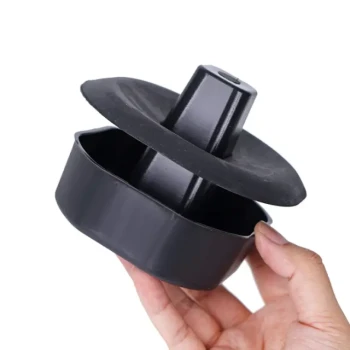
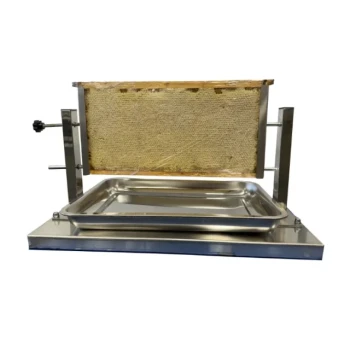
The primary function of an industrial-grade hive stand is to elevate the beehive to prevent structural decay and physical intrusion. By lifting the wooden components off the ground, the stand mitigates moisture absorption that leads to rot while simultaneously creating a critical defensive barrier against ground-dwelling pests.
By isolating the hive from the damp earth and predators, a hive stand does more than just hold a box; it protects your capital investment in equipment and secures the biological integrity of the colony.
Preserving Equipment Infrastructure
Combating Moisture and Rot
The most immediate threat to wooden apiary equipment is ground moisture. When a hive sits directly on the soil, the wood acts as a wick, drawing up water that accelerates rot and fungal growth.
Extending Service Life
An industrial-grade stand breaks this contact, ensuring the hive remains dry. This simple elevation significantly extends the service life of your bottom boards and supers, reducing the frequency and cost of equipment replacement.
Biosecurity and Pest Defense
The Physical Barrier
The stand serves as a primary line of defense against predators. It creates vertical distance that deters or blocks access for common ground-based threats, specifically ants and badgers, which can devastate a colony if left unchecked.
Clearing the Entrance
Beyond predators, elevation prevents vegetation from growing up and blocking the hive entrance. This ensures the flight path remains clear for foragers, maintaining high traffic efficiency without requiring constant weeding by the beekeeper.
Operational Efficiency and Stability
Supporting Heavy Loads
A mature colony filled with honey supers is incredibly heavy. Industrial stands are engineered to provide a stable, level platform capable of supporting this weight safely, preventing the hive from tipping during storms or soft ground conditions.
Improving Ergonomics
Beekeeping requires repetitive lifting of heavy frames and boxes. A proper stand positions the hive at an optimal height, significantly reducing back strain during inspections and making the workflow sustainable for the beekeeper.
Inspection Workflow
Some industrial designs offer additional utility by providing space to rest frames during inspections. This seemingly minor feature keeps frames off the ground, maintaining hygiene and streamlining the inspection process.
Understanding the Trade-offs
Site Preparation
While industrial stands offer superior stability, they often require a level foundation. Unlike makeshift supports that can be shimmed easily, a rigid industrial stand requires you to prepare the ground underneath to prevent the entire stack from leaning.
Upfront Investment
Industrial-grade stands represent a higher initial cost compared to improvised solutions like cinder blocks. You are paying for engineered durability and ergonomics, a cost that must be weighed against the long-term savings in wood preservation.
Making the Right Choice for Your Goals
To maximize the value of your apiary infrastructure, align your equipment choice with your specific operational priorities:
- If your primary focus is Equipment Longevity: Prioritize stands with non-corrosive materials that provide maximum elevation to ensure the wooden hive components never contact soil moisture.
- If your primary focus is Pest Management: Select a stand design with legs that act as narrow choke points, making it difficult for badgers to climb or for ants to bridge without barriers.
- If your primary focus is Beekeeper Health: Choose a stand height that aligns with your waist level to minimize bending and lifting strain during routine inspections.
The right hive stand is not just a support structure; it is a foundational tool for preventive maintenance and colony defense.
Summary Table:
| Key Function | Primary Benefit | Operational Impact |
|---|---|---|
| Moisture Isolation | Prevents wood rot and fungal growth | Extends service life of equipment |
| Pest Defense | Blocks ants, badgers, and ground pests | Secures colony biological integrity |
| Structural Stability | Level platform for heavy honey supers | Prevents tipping in storms or soft ground |
| Ergonomics | Optimal working height (waist level) | Reduces back strain during inspections |
| Airflow & Access | Clears flight path of vegetation | Improves forager traffic and ventilation |
Scale Your Apiary Operations with HONESTBEE
Protect your investment and streamline your workflow with professional-grade infrastructure. HONESTBEE specializes in supporting commercial apiaries and distributors with a comprehensive range of high-performance beekeeping tools and machinery.
Whether you need durable hive-making equipment, precise honey-filling machines, or essential consumables, we provide the wholesale solutions necessary to drive your business forward. Partner with us to access industry-leading hardware and honey-themed cultural merchandise designed for growth.
Ready to upgrade your equipment? Contact us today to discuss your wholesale needs!
References
- Asfaw Albore, Daniel Abraham. Adoption and intensity of adoption of beekeeping technology by farmers: The case of Sheko Woreda of Bench-Maji Zone, South West Ethiopia. DOI: 10.15421/2019_716
This article is also based on technical information from HonestBee Knowledge Base .
Related Products
- Professional Ant-Proof Beehive Stand with Integrated Moat for Beekeeping
- Metal Hive Feet Bee Hive Stand for Ant Protection
- Plastic Bee Hive Stand for Beekeeping
- Metal Bee Hive Stand Bee Box Stand for Beekeeping
- Professional Grade Foldable Beehive Handles
People Also Ask
- What physical protection advantages do individual hive stands provide against Small Hive Beetles? Secure Your Apiary
- Why are specialized ant-proof stands necessary for Africanized honeybee apiaries? Prevent Absconding in Semi-Arid Regions
- Why are specialized beehive stands or protective barriers necessary for pest management in apiaries? Secure Your Colony
- What are the benefits of elevating a bee hive with a stand or base? Protect Your Colony and Your Back
- What to stand a beehive on? The Best Foundation for a Healthy, Manageable Apiary