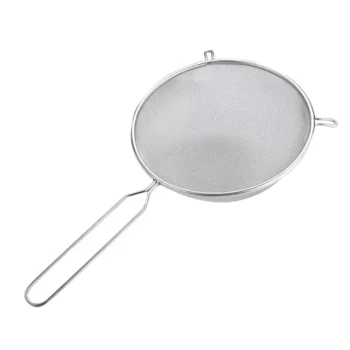
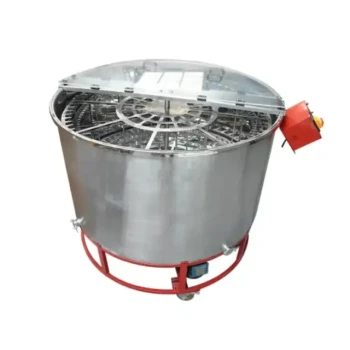
Industrial honey filtration systems differ from traditional methods by strictly prioritizing the removal of pollen, impurities, and crystallization nuclei to guarantee product consistency. While traditional processing often minimizes intervention to preserve specific bioactive compounds, industrial equipment is designed to maximize clarity, ensure safety, and extend shelf life for the commercial market.
Industrial processing focuses on standardization and stability by eliminating physical contaminants and crystallization triggers. In contrast, traditional methods frequently avoid fine filtration and thermal treatment to maintain the unique bioactive profile of specialty honeys.
Core Functions of Industrial Systems
Precision Removal of Impurities
The primary mechanical function of industrial equipment is the elimination of physical contaminants. Systems utilizing industrial centrifuges and filter presses remove wax debris, bee remains, and larval parts that are naturally present after extraction.
This establishes the baseline hygiene required for safe consumption. By removing these macro-impurities, the system prepares the honey for finer processing stages without clogging sensitive downstream equipment.
Inhibition of Crystallization
Industrial systems are specifically engineered to remove crystallization nuclei. These nuclei include microscopic glucose crystals, dust, and pollen grains that act as seeds for crystallization.
By filtering these particles out and applying controlled thermal treatments, the equipment ensures the honey remains liquid and visually clear for extended periods. This is a critical requirement for meeting commercial packaging standards.
Biological Stabilization and Hygiene
Beyond physical debris, industrial purification aims to stabilize the honey biologically. This involves removing yeast to prevent fermentation and controlling moisture levels through dehydration units.
Additionally, degassing units remove air bubbles trapped during extraction. This improves the sensory consistency of the product and prevents oxidation, ensuring the honey meets strict international trade standards.
The Traditional Processing Distinction
Preservation of Bioactive Compounds
The most significant difference lies in what traditional processing avoids. Traditional methods often forgo fine filtration to preserve specific bioactive toxins and compounds found in specialty honeys.
These components, while potentially filtered out by industrial meshes, are often the key value drivers for niche medicinal honeys. Traditional processing accepts lower clarity to maintain this chemical complexity.
Minimal Thermal Intervention
Traditional processing typically avoids high-heat sterilization. High temperatures can denature delicate enzymes and alter the flavor profile.
By avoiding aggressive thermal treatment, traditional methods maintain the "raw" status of the honey, appealing to consumers prioritizing nutritional density over shelf stability.
Understanding the Trade-offs
Clarity vs. Origin Identity
High-level filtration produces a sparkling, clear product that appeals to mass-market consumers. However, this process often removes pollen, which is the primary marker used to trace the honey's botanical and geographical origin.
Stability vs. Enzymatic Activity
Industrial sterilization ensures the product will not ferment on the shelf, allowing for global distribution. The trade-off is a potential reduction in the enzymatic activity that health-conscious consumers often seek.
Standardization vs. Unique Character
Industrial equipment standardizes raw honey, ensuring every bottle tastes and looks the same. Traditional processing results in batch-to-batch variability, which can be viewed as an inconsistency in mass retail but a mark of authenticity in boutique markets.
Making the Right Choice for Your Goal
To determine the appropriate processing level, you must define the end-use of the product.
- If your primary focus is Mass Market Retail: Prioritize industrial filtration and thermal treatment to ensure clarity, prevent crystallization, and meet international safety standards.
- If your primary focus is Specialty or Medicinal Honey: Prioritize traditional, minimal processing to retain pollen, bioactive toxins, and enzymatic activity that define the product's value.
The choice between industrial and traditional processing is ultimately a decision between commercial scalability and biological authenticity.
Summary Table:
| Feature | Industrial Filtration Systems | Traditional Processing Methods |
|---|---|---|
| Primary Goal | Mass-market clarity & shelf stability | Preservation of bioactive compounds |
| Impurity Removal | Complete removal (pollen, wax, debris) | Minimal intervention (coarse filtering) |
| Crystallization | Inhibited via nuclei removal & heat | Natural process accepted (raw state) |
| Biological State | Stabilized (yeast/moisture control) | High enzymatic activity retained |
| Appearance | Sparkling clear and consistent | Variable, often cloudy or opaque |
| Target Market | Global retail & food service | Boutique, medicinal & niche health |
Scale Your Honey Production with HONESTBEE
Transitioning from traditional methods to commercial scalability requires the right technology. HONESTBEE empowers commercial apiaries and distributors with high-performance beekeeping machinery and filtration systems designed for maximum efficiency.
Whether you need precision honey-filling machines, industrial-grade extraction hardware, or essential consumables, we provide the tools to ensure your product meets international standards without compromising quality.
Ready to optimize your honey processing? Contact our experts today to discover how our comprehensive wholesale solutions can grow your business.
References
- Abdülkadır Gündüz, Faik Ahmet Ayaz. Worldwide distribution and clinical characteristics of mad honey poisoning cases. DOI: 10.21101/cejph.a7501
This article is also based on technical information from HonestBee Knowledge Base .
Related Products
- Electric Double Wall Honey Filtering Machine Purifier Equipment for Honey Processing Plant
- Honey Concentrating and Filtering Dehumidifier Machine 2T Capacity for Honey
- Professional Stainless Steel Honey Filtering Machine with Water Bath Heating for Beekeeping
- Professional Stainless Steel Honey Filter with Support Handle
- Professional Honey Filter with Tripod Support Stand
People Also Ask
- What is the process of filtering honey? A Guide to Clean, Pure, and Market-Ready Honey
- What types of equipment are used in honey filtering? Build an Efficient System for Pure, Marketable Honey
- What is the overall importance of using the right equipment in honey filtering? Boost Quality & Marketability
- How should honey filtering equipment be properly maintained? Extend Equipment Life & Protect Honey Purity
- What role do professional honey harvesting and filtering equipment play in meeting honey market quality standards? Boost ROI