Professional beehive protection components primarily function as precision-engineered mechanical filters that leverage the physical size difference between honeybees and the predator Vespa velutina. By installing components such as entrance reducers or isolation nets, beekeepers create a selective barrier that permits necessary foraging traffic while physically blocking the larger hornets from infiltrating the colony.
Core Takeaway These components do more than just block predators; they are essential biosecurity tools that preserve the hive’s economic viability. By securing the internal environment against invasion, they prevent colony collapse, allowing the continued production of honey, pollen, and wax even under predator pressure.
The Mechanics of Exclusion
Size-Based Filtration
The fundamental mechanism of these devices is the creation of a physical screening barrier. Professional entrance reducers are designed with specific dimensions, typically creating openings of 5-6mm.
This precise gap is large enough for honeybees to enter and exit freely to forage. However, it is too narrow for the significantly larger body of Vespa velutina, effectively locking the predator out of the hive.
Prevention of Internal Predation
By blocking entry, these components prevent the most devastating form of attack: the invasion of the nest. Without this barrier, hornets can enter to massacre larvae and steal honey stores.
Keeping the predator outside creates a "safe zone" within the hive. This allows the colony to continue brood rearing and resource processing without the disruption of direct internal combat.
Strategic Colony Defense
Force Multiplication for Weak Colonies
Entrance reducers are particularly vital for weaker colonies or those under high brood-rearing pressure. By narrowing the entrance, the device reduces the surface area that guard bees must defend.
This structural modification allows a smaller colony to concentrate its defensive efforts at a single "choke point." It prevents the bees from being overwhelmed by a large-scale invasion across a wide entrance.
Preserving Economic Output
The ultimate function of these components is the protection of the beekeeper's economic interests. By ensuring colony survival, the hardware secures the continuous production of honey, pollen, propolis, and wax.
Secondary Environmental and Health Benefits
Thermal Regulation
Beyond predator defense, these components contribute to the hive's environmental stability. By restricting the entrance size, they reduce heat loss during periods of environmental stress.
This helps maintain the internal thermal stability required for brood rearing, reducing the energy burden on the colony.
Biosecurity and Disease Control
High-precision entrance hardware also serves as a critical anti-robbing barrier. This prevents the "robbing behavior" where bees from collapsing colonies invade healthy ones.
Since robbing is a primary vector for the spread of Varroa mites, these physical barriers help maintain the biosecurity of the entire apiary, preventing mass infection cascades.
Operational Considerations and Limitations
The Necessity of Precision
The effectiveness of these components relies entirely on manufacturing precision. The barrier must be rigid (metal or wood) and the aperture must be strictly maintained at the 5-6mm range. If the material degrades or the sizing is inaccurate, the defensive seal is compromised.
Passive vs. Active Defense
It is important to note that these are passive defense measures. They prevent the hornet from entering the hive, but they do not eliminate the predator from the apiary environment. The hornets may still hover outside the entrance, requiring the bees to navigate a threat zone to forage.
Making the Right Choice for Your Goal
To maximize the effectiveness of your defensive hardware, align your choice with your specific colony needs:
- If your primary focus is protecting weak colonies: Prioritize entrance reducers that narrow the opening to exactly 5-6mm to concentrate guard bees and reduce defensive stress.
- If your primary focus is apiary-wide biosecurity: Ensure all entrance hardware is robust enough to prevent robbing, thereby stopping the cross-contamination of Varroa mites between hives.
- If your primary focus is winterization and stability: Utilize these components to simultaneously block late-season predators and reduce thermal loss during colder months.
By implementing precision entrance barriers, you convert the hive from a vulnerable target into a fortress, securing both the bees' lives and your economic yield.
Summary Table:
| Feature | Primary Function | Key Benefit |
|---|---|---|
| Size-Based Filtration | Blocks entry via 5-6mm apertures | Physically excludes large predators like hornets |
| Choke Point Defense | Narrows the hive entrance | Empowers weak colonies to defend more effectively |
| Biosecurity Barrier | Prevents robbing behavior | Reduces the spread of Varroa mites and diseases |
| Thermal Regulation | Minimizes opening surface area | Maintains internal hive temperature for brood rearing |
| Economic Security | Protects internal resources | Ensures steady production of honey, wax, and pollen |
Protect Your Apiary with HONESTBEE Precision Equipment
Don't let Vespa velutina threaten your commercial success. HONESTBEE provides professional beekeeping distributors and large-scale apiaries with the high-precision hardware needed to secure every hive. Our comprehensive wholesale catalog includes:
- Durable Entrance Reducers: Precision-engineered to 5-6mm for maximum hornet defense.
- Advanced Machinery: From honey-filling to hive-making machines for industrial efficiency.
- Full Consumable Support: A wide array of tools and honey-themed cultural merchandise to grow your brand.
Partner with HONESTBEE to deliver superior biosecurity and productivity to your clients. Contact our wholesale team today to explore our full spectrum of beekeeping solutions!
References
- Krystal L. Ashman, Cameron Jack. Yellow-Legged Hornet (suggested common name), Vespa velutina (Lepeletier 1836) (Insecta: Hymenoptera: Vespidae). DOI: 10.32473/edis-in1282-2020
This article is also based on technical information from HonestBee Knowledge Base .
Related Products
- Professional Insulated Plastic Bee Hives
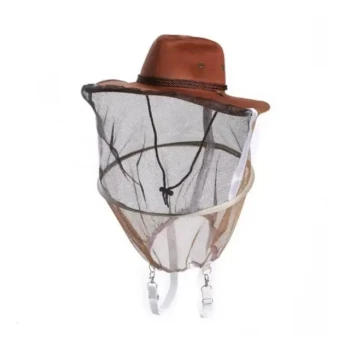
- Premium Cowboy Beekeeper Hat with Visibility Veil Outdoor Professional Beekeeping Protective Gear
- Metal Hive Feet Bee Hive Stand for Ant Protection
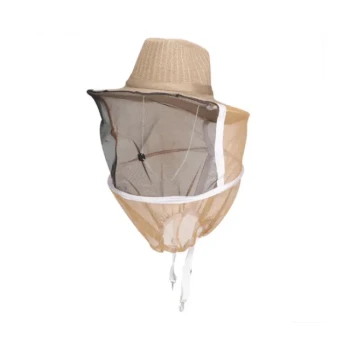
- Professional Square Folding Wire Mesh Beekeeping Veil
- Inner Beehive Cover for Beekeeping Bee Hive Inner Cover
People Also Ask
- What are the advantages of plastic bee hives? Boost Efficiency & Durability for Your Apiary
- Are plastic bee hives any good? Unlock Durability & Efficiency for Your Apiary
- How do plastic bee hives compare to wooden hives in handling? Reduce Strain & Boost Efficiency
- Are plastic bee hives good? Durable, Low-Maintenance Hives for Modern Apiaries
- What are the disadvantages of plastic beehives? Key Operational and Environmental Risks Exposed