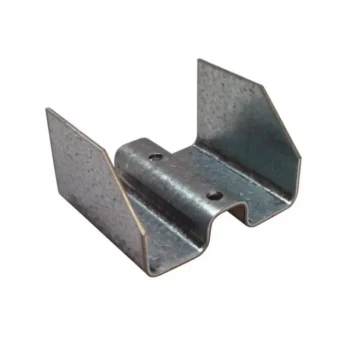
Standardized beekeeping pallet configurations serve as the critical logistical interface between biological colonies and industrial machinery. Primarily designed to hold four beehives per unit, these configurations function to transform individual colonies into stackable, modular blocks. This standardization allows for the exclusive use of forklifts for handling, fundamentally shifting the operation from labor-intensive manual lifting to rapid, mechanized logistics.
The core function of the standardized pallet is to decouple the scale of the apiary from the limitations of human physical labor. By treating four hives as a single logistical unit, operators can execute the rapid, long-distance migration of colonies required for modern agricultural pollination without suffering exponential increases in loading time or effort.
Transforming Biology into Logistics
The Role of the Four-Hive Configuration
The primary reference highlights that standardized pallets are typically designed to hold four beehives. This specific configuration is not arbitrary; it creates a stable, square footprint that maximizes space efficiency on transport trucks. By clustering hives, the pallet becomes the fundamental unit of management rather than the individual box.
Enabling Long-Distance Migration
Commercial beekeeping often requires moving colonies between different agricultural regions to chase bloom cycles or fulfill pollination contracts. Standardized pallets provide the structural foundation for this mobility. They secure the hives into a rigid block, allowing them to withstand the vibration and stress of highway travel without shifting or tipping.
Integration with Mechanized Handling
The design of these pallets is explicitly engineered for forklift compatibility. This allows operators to lift, stack, and position multiple colonies simultaneously. Without this interface, the industrial movement of bees would be bottlenecked by the speed at which humans can manually carry individual hives.
Maximizing Operational Throughput
Reduction of Manual Labor
One of the most significant functions of the pallet system is the drastic reduction of physical strain on workers. As noted in the primary reference, this configuration minimizes manual labor intensity. In a commercial setting, eliminating the need to hand-load thousands of heavy hives reduces worker fatigue and injury risk, allowing for smaller crews to manage larger numbers of colonies.
Speed of Loading and Unloading
Efficiency in commercial operations is measured in time. Palletization facilitates rapid loading and unloading sequences. A forklift operator can load a flatbed truck in a fraction of the time it would take a manual crew. This speed is critical when moving bees at night or during specific weather windows to minimize stress on the colony.
Standardization of Equipment
While the pallet handles the logistics, it relies on the uniformity of the hives themselves. Supplementary data suggests that standardized hives (boxes) ensure interchangeability and uniform dimensions. The pallet system capitalizes on this by providing a unified platform that accepts these standard boxes, creating a seamless workflow from the apiary floor to the extraction facility.
Understanding the Trade-offs
Dependency on Heavy Machinery
Adopting a palletized system necessitates a significant investment in support equipment. You cannot effectively utilize 4-way pallets without reliable forklifts and trucks capable of carrying them. If machinery fails in the field, moving these heavy, combined units by hand is virtually impossible, potentially stranding colonies.
Limitations on Individual Hive Management
When hives are strapped or clipped together on a pallet (often touching each other), accessing an individual colony for inspection can be more physically restrictive than with stand-alone hives. Beekeepers may have to work from awkward angles or dismantle the pallet configuration to address issues in a specific hive, which can slightly complicate detailed biological monitoring.
Making the Right Choice for Your Operation
The decision to adopt standardized pallet configurations depends largely on your operational scale and mobility requirements.
- If your primary focus is Commercial Pollination: You must adopt standardized 4-way pallets to ensure compatibility with forklifts and to meet the speed requirements of loading transport trucks.
- If your primary focus is Stationary Honey Production: You may prioritize individual hive stands over pallets, as they offer better access for frequent inspections and require less heavy machinery to manage.
Standardized pallets are not merely wooden platforms; they are the essential hardware that enables beekeeping to operate at an industrial speed and scale.
Summary Table:
| Function | Key Benefit | Impact on Operation |
|---|---|---|
| 4-Hive Clustering | Modular Unitization | Transforms biological colonies into stackable blocks. |
| Forklift Integration | Mechanized Handling | Eliminates manual lifting and speeds up loading/unloading. |
| Structural Security | Enhanced Mobility | Enables safe, long-distance migration for pollination contracts. |
| Labor Reduction | Physical Relief | Reduces crew size requirements and minimizes worker fatigue. |
| Standardization | Workflow Uniformity | Ensures compatibility across trucks, machinery, and hives. |
Scaling Your Commercial Apiary? Partner with HONESTBEE
Transitioning to a mechanized, palletized operation requires more than just pallets—it requires a reliable supply chain of precision-engineered equipment. HONESTBEE specializes in supporting commercial apiaries and distributors with a full spectrum of wholesale solutions.
Why choose HONESTBEE?
- Comprehensive Wholesale Range: From standardized hive-making components to advanced honey-filling machines.
- Industrial Efficiency: We supply beekeeping tools and heavy machinery designed for high-throughput commercial environments.
- Global Distribution Support: We provide essential industry consumables and honey-themed cultural merchandise to help you scale your brand.
Ready to enhance your operational throughput? Contact us today to discuss how our specialized hardware and equipment can streamline your beekeeping business!
References
- Matthew Smart, Marla Spivak. Land use in the Northern Great Plains region of the U.S. influences the survival and productivity of honey bee colonies. DOI: 10.1016/j.agee.2016.05.030
This article is also based on technical information from HonestBee Knowledge Base .
Related Products
- Food Grade Plastic Honey Bucket Pail for Beekeeping
- Yellow Plastic Bucket Pail Perch for Beekeeping
- Plastic Transporting Bee Packages and Nuc Boxes for Beekeeping
- Professional 600D Oxford Cloth Beekeeping Tool Bag with 8 Pockets and Elastic Loops
- Professional Beekeeper Suit with Square Folding Cotton Veil
People Also Ask
- What key operational precautions should be taken when using honey buckets and extractors fitted with bottom drain taps?
- What functions do food-grade honey buckets perform? Safeguard Your Harvest and Optimize Apiary Logistics
- Why are food-grade plastic buckets preferred for honey? Protect Quality with Modern Honey Collection Tools
- What is the significance of food-grade plastic honey collection buckets? Boost Quality in Forest Honey Logistics
- What is a honey pail? The Essential Container for Protecting Your Honey's Value