The definitive signal that honey is ready for harvesting is the presence of fully capped honey frames within the hive. This visual cue, combined with the completion of a local nectar flow, confirms that the bees have finished processing the nectar into stable, storable honey.
The bees themselves provide the most accurate "ready" signal by sealing the honeycomb with wax; harvesting before this occurs often results in high-moisture nectar that is prone to fermentation.
Visual and Environmental Indicators
The Capped Frame
The most critical physical indicator is the state of the honeycomb frames.
You should look for frames that are fully capped with wax.
When bees cap the cells, it indicates they have reduced the moisture content of the nectar to the correct level.
Completion of Nectar Flows
Harvesting is inextricably linked to the environment outside the hive.
You should aim to harvest upon the completion of a specific nectar flow.
Whether occurring in spring, early summer, or late summer, the end of a bloom cycle marks a natural transition point for collection.
Seasonal Considerations
Regional and Annual Variability
There is no single fixed date on the calendar for harvesting.
Timing varies significantly depending on your geographic region and the specific weather patterns of the current year.
Typical Harvest Windows
While weather dictates the specifics, harvest windows generally align with the major seasons.
Beekeepers typically assess hives for readiness in spring, early summer, and late summer.
Understanding the Trade-offs
Calendar vs. Observation
A common pitfall is relying on a strict calendar schedule rather than hive inspection.
If you harvest based solely on the month without checking for fully capped frames, you risk collecting uncured nectar.
The Risk of Early Harvesting
Harvesting before the nectar flow is complete or before frames are sealed has significant downsides.
Uncapped honey generally contains excess moisture.
This excess moisture can lead to spoilage and fermentation in your stored jars.
Making the Right Choice for Your Goal
To ensure the quality of your harvest, prioritize the condition of the frames over the date on the calendar.
- If your primary focus is long-term storage: Wait until the bees have sealed the honey with wax, as this guarantees the moisture content is low enough to prevent fermentation.
- If your primary focus is maximizing yield: Monitor your local vegetation closely and harvest immediately after the completion of a major nectar flow to catch the hive at its peak fullness.
Let the bees dictate the schedule; when the frames are capped, the work is done.
Summary Table:
| Indicator | Description | Importance |
|---|---|---|
| Wax Capping | Bees seal cells with wax once moisture is reduced. | Primary indicator of ripeness and stability. |
| Nectar Flow | The end of a specific plant bloom cycle. | Marks the natural window for peak collection. |
| Moisture Content | Low water levels achieved through bee processing. | Prevents fermentation and ensures long shelf life. |
| Seasonality | Regional variations in spring and summer blooms. | Determines the frequency and timing of harvests. |
Elevate Your Beekeeping Operation with HONESTBEE
At HONESTBEE, we specialize in supporting commercial apiaries and distributors with the heavy-duty equipment needed for a professional harvest. From high-capacity honey-filling machines to industrial hive-making hardware and essential consumables, we provide the full spectrum of tools to turn your capped frames into market-ready products.
Ready to scale your production? Contact us today to explore our wholesale machinery and premium beekeeping supplies designed for efficiency and growth.
Related Products
- High Quality Honey Dehumidifier Dryer Thickening Machine for Beekeeping
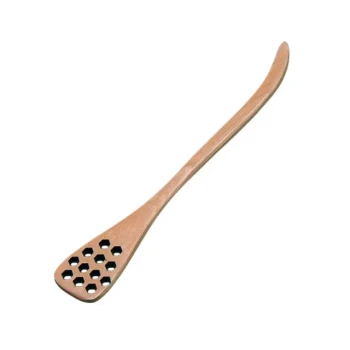
- Modern Honeycomb Pattern Wooden Honey Dipper for Stirring and Drizzling
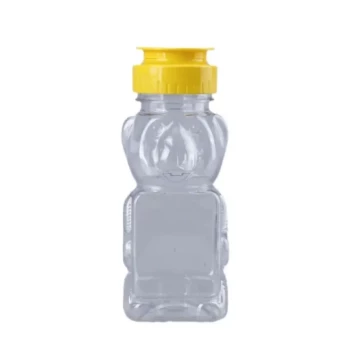
- Classic Honey Bear Jars with Flip Top Dispensing Cap for Liquid Sweeteners
- Economy Small Scale Honey Dryer Dehumidifier Thickening Machine
- Inverted Squeezable Honey Jar with No Drip Flip Top Cap for Easy Pouring
People Also Ask
- Can you dehumidify honey? A Beekeeper's Guide to Preventing Fermentation
- How to dry up honey? The Safe Guide to Stabilizing Honey and Preventing Fermentation
- How can the moisture content of honey be reduced? A Guide to Safe, Effective Drying Methods
- How to remove humidity from honey? Protect Your Harvest from Fermentation
- What is the process for using a dehumidifier to lower honey's moisture content? Expert Drying Techniques