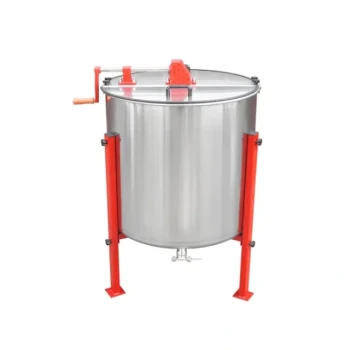
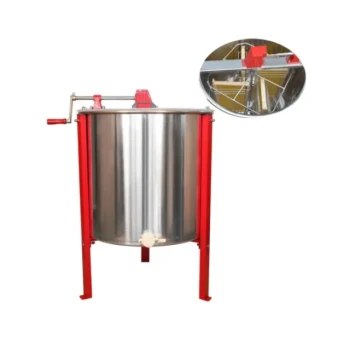
June acts as a pivotal maintenance period regarding inspection and storage. Your primary tasks this month are to conduct weekly hive inspections to verify the queen's status and overall colony health, while simultaneously managing hive capacity by adding honey supers for nectar storage. You must also use this time to prepare your extraction tools and storage containers for the eventual harvest.
In June, your focus shifts from spring buildup to resource management and harvest preparation. Success depends on maintaining hive momentum through consistent inspections while ensuring the colony has ample physical space to store the incoming nectar flow.
Maintaining Colony Momentum
The Importance of Weekly Inspections
June requires a rhythm of consistent vigilance. You should conduct inspections on a weekly basis to monitor the colony's trajectory.
Regular checks allow you to catch issues early before they impact the upcoming harvest.
Verifying the Queen
A central goal of every June inspection is locating the queen or verifying her recent activity.
Identifying the queen ensures the colony remains stable. If the queen is missing or failing, the colony's population—and honey production—will rapidly decline.
Assessing Colony Health
Beyond the queen, you must assess the general well-being of the hive.
Look for a robust population and clear signs of activity. A healthy colony in June is characterized by high energy and the active collection of resources.
Managing Hive Space
Accommodating Nectar Storage
As the season progresses, the bees will bring in significant amounts of nectar.
You must add honey supers as needed. This ensures the bees have sufficient room to store and cure the honey they are producing.
Preparing Extraction Gear
June is the preparatory phase for the harvest. You should inspect your honey extraction tools now to ensure they are clean and functional.
Organizing Storage
Verify that you have adequate storage containers ready. Preparing these materials now prevents logistical bottlenecks when the honey is ready to be pulled.
Understanding the Trade-offs of June Management
Inspection Frequency vs. Disturbance
While weekly inspections are recommended in the primary reference, they carry a cost. Every time you open the hive, you disrupt the internal temperature and the bees' workflow.
You must be efficient during these checks. A slow, clumsy inspection can stress the colony, while a skipped inspection risks missing critical health issues.
Timing the Supers
Adding honey supers involves a delicate balance of timing.
If you add supers too late, the bees run out of storage space, halting production. However, adding too much space too early can force the bees to expend energy defending and managing vast, empty areas.
Making the Right Choice for Your Apiary
To maximize your success in June, align your actions with your specific objectives for the season.
- If your primary focus is Maximum Honey Production: Prioritize the timely addition of honey supers to ensure the bees never face a storage bottleneck.
- If your primary focus is Colony Sustainability: Prioritize the thoroughness of your weekly inspections to ensure the queen is healthy and the population is robust.
By balancing active monitoring with forward-looking preparation, you set the stage for a successful and abundant harvest season.
Summary Table:
| Task Category | Key Action Items | Why It Matters |
|---|---|---|
| Hive Health | Weekly inspections & queen verification | Ensures population growth and colony stability for the harvest. |
| Space Management | Adding honey supers as needed | Prevents storage bottlenecks and maximizes nectar collection. |
| Hardware Prep | Inspecting extraction tools & containers | Prevents logistical delays during the busy honey harvest period. |
| Environment | Monitoring resource flow & space | Balances colony energy expenditure between storage and defense. |
Scaling Your Beekeeping Operation with HONESTBEE
To maximize your June productivity and secure a bountiful harvest, you need equipment as hardworking as your bees. HONESTBEE specializes in supporting commercial apiaries and distributors with high-performance wholesale solutions. From honey-filling machines and hive-making equipment to the full spectrum of essential consumables and tools, we provide everything needed to streamline your workflow.
Whether you are expanding your commercial fleet or stocking your distribution center, our comprehensive portfolio ensures your success. Contact HONESTBEE today to discuss your wholesale needs and see how our industry-leading machinery and cultural merchandise can add value to your business.
Related Products
- 6 Frame Manual Stainless Steel Honey Extractor Beekeeping Equipment
- HONESTBEE 2 Frame Manual Acrylic Honey Extractor Beekeeping Equipment
- Stainless Steel 3 Frame Manual Honey Extractor Spinner for Bee Honey Extraction
- Professional Stainless Steel Pry-Bar Hive Tool
- Stainless Steel Beekeeping Honey Extractor Lid
People Also Ask
- How do you manually extract honey? Choose the Best Method for Your Hive
- What is a manual honey extractor? The Essential Guide to Cost-Effective Beekeeping for Beginners
- Why are manual extractors popular among beginner beekeepers? A Guide to Starting Simple & Saving Money
- What are the disadvantages of a manual honey extractor? Overcome Efficiency Bottlenecks in Your Apiary
- Which type of honey extractor is generally more durable? Focus on Material & Build Quality for Longevity