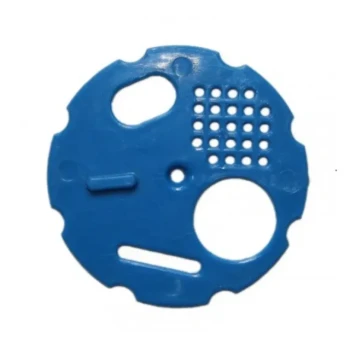
A beehive entrance reducer is a specialized barrier used to constrict the size of the hive's opening. Its primary function is to align the physical entrance size with the colony's ability to defend it and regulate its internal environment. By narrowing the threshold, you significantly aid the bees in preventing robbing, excluding pests, and maintaining optimal temperature and ventilation.
The entrance reducer is not just a seasonal accessory; it is a tactical tool that balances the hive’s exposure against the colony's current population strength and external threats.
Bolstering Colony Defense
The most critical function of an entrance reducer is security. In the wild, bees prefer small, defensible openings (like tree hollows); standard hive boxes often have entrances that are too large for a colony to defend naturally.
Preventing Robbing
During the fall, forage often becomes limited (a "dearth"). During this time, stronger colonies may attempt to steal honey from weaker ones.
Reducing the entrance limits the space guard bees must protect. This allows a smaller force to successfully repel a large number of invading robber bees.
Protecting New or Weak Colonies
When installing a new package or nucleus (nuc), the population is low and vulnerable.
A wide entrance exposes these young colonies to intruders they cannot handle. Using the smallest opening on the reducer is standard practice to help them stabilize until their numbers increase.
Excluding Pests
As temperatures drop and bees form a winter cluster, they become less active and less able to chase away intruders.
The reducer acts as a physical barricade against mice, chipmunks, and raccoons seeking warmth or food. Without this restriction, pests can destroy comb and foul the hive during winter.
Managing Internal Climate
Beyond defense, the entrance reducer plays a vital role in the colony's "HVAC" system—its ability to thermoregulate and ventilate.
Temperature Regulation
In colder northern regions and during winter months, retaining heat is essential for survival.
A large, open entrance allows rapid heat loss. The reducer limits airflow, helping the colony maintain the warmth generated by the winter cluster.
Ventilation Control
While retaining heat is key, the hive must also expel moisture to prevent mold and condensation, which can kill bees in winter.
The reducer allows for controlled ventilation. However, note that if you are using a screened bottom board, the reducer's impact on temperature and ventilation is significantly lessened, as air moves freely through the floor.
Optimizing Colony Workforce
Using an entrance reducer impacts how the colony allocates its labor force.
Increasing Efficiency
A smaller entrance requires fewer guard bees to watch the door.
This frees up the workforce to perform other essential tasks, such as foraging for nectar or tending to the brood. By not expending resources defending an oversized opening, the colony operates more efficiently.
Understanding the Trade-offs
While essential, the entrance reducer is not a "set it and forget it" tool. Misuse can hinder the colony.
Summer Congestion
During the peak summer nectar flow, a reducer can cause a "traffic jam" at the entrance.
If foragers cannot enter and exit quickly, honey production slows. Additionally, a restricted entrance in high heat can lead to bearding (bees hanging outside the hive) as they struggle to cool the interior.
Bottom Board Nuances
As noted in the primary reference, the reducer's ability to control the climate is dependent on the rest of the hive setup.
If you rely on the reducer for warmth but leave a screened bottom board open, the device will fail to trap heat effectively.
Making the Right Choice for Your Goal
Deciding when and how to use the reducer depends on the season and the state of your bees.
- If your primary focus is establishing a new colony: Use the smallest opening immediately upon installation to protect the small population from takeover.
- If your primary focus is winter survival: Install the reducer (often with a mouse guard) to retain heat and exclude rodents while the bees are clustered.
- If your primary focus is preventing robbery in the fall: Constrict the entrance as soon as the nectar flow stops to deter strong hives from looting weaker ones.
Ultimately, the entrance reducer allows you to simulate the protective constraints of a natural habitat, giving your bees a defensible fortress rather than an exposed box.
Summary Table:
| Purpose | Main Benefit | Recommended Timing |
|---|---|---|
| Colony Defense | Prevents robbing and helps weak colonies/nucs defend the hive | Fall, dearth periods, and new installations |
| Pest Control | Acts as a physical barricade against mice and rodents | Late autumn and winter |
| Climate Control | Retains heat and regulates airflow/ventilation | Winter and early spring |
| Efficiency | Reduces the number of guard bees needed, freeing up foragers | When population is low or threat is high |
Elevate Your Beekeeping Operation with HONESTBEE
Protecting your colony is just the beginning. At HONESTBEE, we understand the complex needs of commercial apiaries and distributors. Whether you are scaling up production or supplying local beekeepers, we provide a comprehensive wholesale offering to ensure your success.
Why partner with HONESTBEE?
- Full Spectrum Equipment: From precision hive-making and honey-filling machines to durable hand tools.
- Essential Consumables: A wide array of high-quality industry consumables to keep your operations running smoothly.
- Value-Added Merchandise: Unique honey-themed cultural merchandise to expand your retail appeal.
Take the next step in optimizing your honey production and supply chain. Contact us today to discuss our wholesale solutions and how we can support your business growth.
Related Products
- Steel Round Disc Entrance Reducer for Flexzion Bee Hive Nuc Box Gate
- Beehive Entrance Reducer Guardian Metal Hive Entrance for Bees
- HONESTBEE Entrance Bee Feeder Professional Hive Nutrition Solution for Beekeeping
- Beehive Entrance Discs Plastic Bee Entrance Disc for Bee Hives
- Professional Hive Front Entrance Bee Feeder
People Also Ask
- What is the purpose of an entrance reducer for a beehive? Strengthen Colony Defense and Prevent Robbery
- Why are entrance reducers used to counter hornet infestations? Protect Your Hive with Strategic Choke Points
- Why is it critical to maintain a smaller entrance for a newly established bee hive? Boost Colony Growth and Security
- What is the function of an entrance reducer on a beehive? Strengthen Colony Defense and Climate Control
- Under what conditions should a beekeeper adjust the size of a beehive entrance? Seasonal & Defense Management Tips